Tourists Face Criticism After Photo Shoot at Auschwitz Goes Viral
Our take
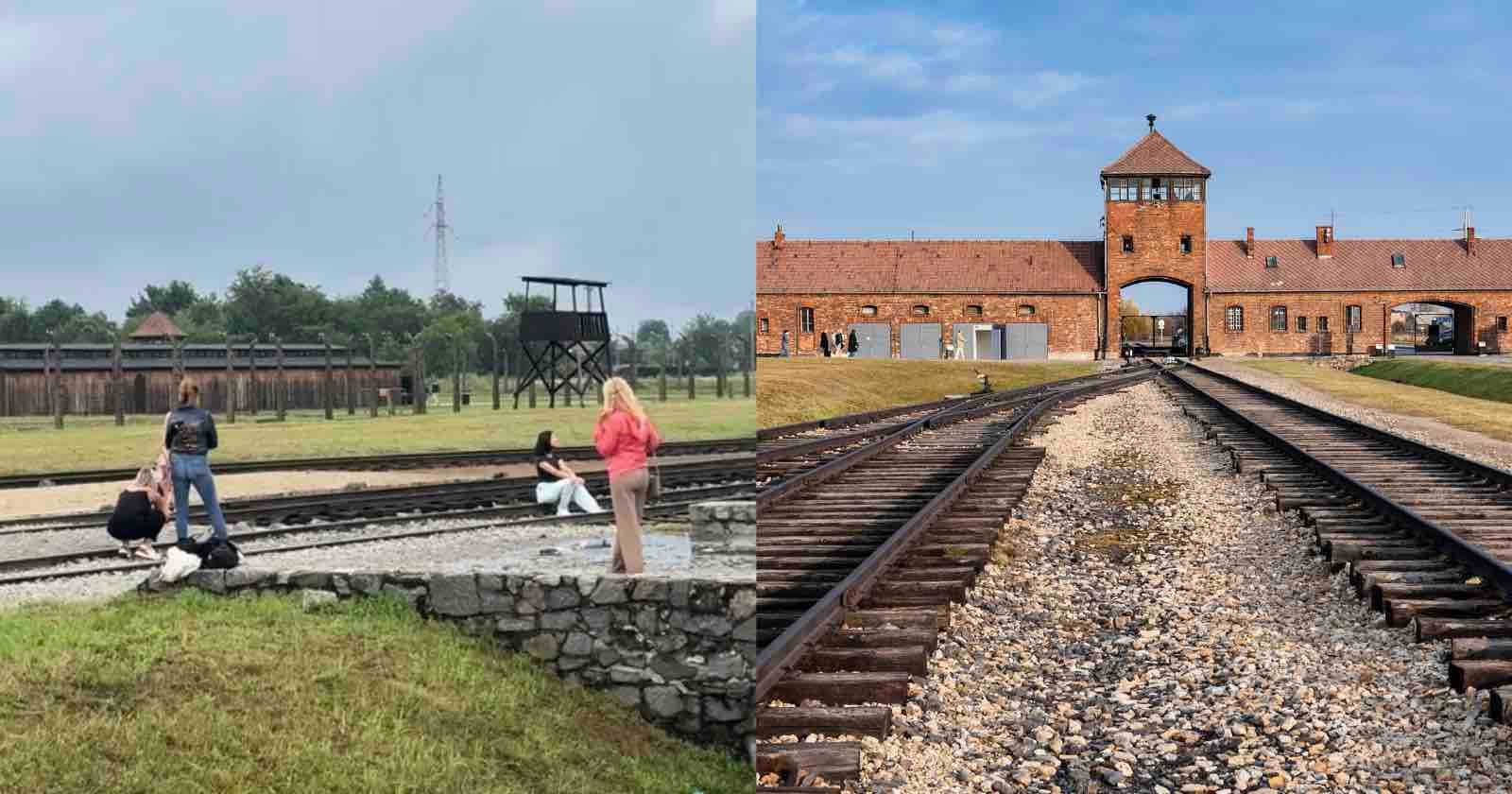
The recent viral video depicting tourists conducting a photo shoot at the entrance of Auschwitz-Birkenau has ignited a deserved wave of outrage, and it’s a moment that demands a deeper reflection on how we engage with spaces of profound historical significance. This isn’t simply a case of insensitive tourists; it’s a symptom of a broader cultural shift where experiences are increasingly commodified and shared through the lens of social media, often at the expense of respect and understanding. The context is crucial; Auschwitz-Birkenau isn't a scenic backdrop for a personal branding exercise—it’s the site of unimaginable suffering, the endpoint for over a million lives lost during the Holocaust. The casual disregard displayed in the video underscores a troubling disconnect between the realities of the past and the performative nature of contemporary online culture. We've seen similar controversies emerge recently, such as the debate surrounding respectful memorial photography, as discussed in The Ethics of Memorial Photography. This incident echoes broader conversations around ‘dark tourism’ and the responsibility of visitors to these spaces, a topic explored in depth within Navigating Dark Tourism Responsibly.
The immediate reaction, characterized by swift condemnation across social media platforms, is entirely appropriate. However, it’s vital to move beyond the reactive and consider the underlying factors contributing to such incidents. The pervasiveness of social media encourages a constant pursuit of ‘Instagrammable’ moments, often prioritizing aesthetics over ethical considerations. The inherent pressure to document experiences and project a curated image can eclipse the importance of mindful engagement. This isn’t to demonize social media entirely—it can be a powerful tool for education and awareness—but it does highlight the need for greater critical reflection on how we choose to represent and interact with sensitive spaces. Furthermore, the role of tour guides and site management in proactively educating visitors about appropriate behavior and the solemnity of the location cannot be overstated. Clearer guidelines and more robust enforcement are necessary to prevent future occurrences. The sheer volume of visitors, particularly in recent years, also creates challenges in maintaining an atmosphere of respectful contemplation.
Beyond the immediate moral condemnation, this event raises a broader question about our collective memory and the responsibility we bear to preserve and honor the past. Auschwitz-Birkenau, and other sites of immense suffering, serve as vital reminders of the dangers of intolerance, prejudice, and unchecked power. When these locations are trivialized or exploited for personal gain, it diminishes the memory of the victims and undermines the lessons these sites are meant to impart. The act of turning a place of unimaginable tragedy into a backdrop for a photo shoot is not simply disrespectful to the deceased; it’s disrespectful to the survivors, their families, and the ongoing efforts to combat antisemitism and all forms of discrimination. The increased accessibility of these locations, while laudable in some respects, also necessitates a greater emphasis on education and ethical behavior. The recent debate on Holocaust denial and distortion further underscores the urgency of safeguarding historical memory, as highlighted in Combating Holocaust Denial Online.
Looking ahead, it’s imperative that institutions managing historical sites, along with social media platforms and educators, collaborate to foster a greater sense of responsibility and respect. This includes developing clearer visitor guidelines, promoting ethical online behavior, and incorporating more robust educational programs that emphasize the human cost of historical events. The incident at Auschwitz-Birkenau serves as a stark reminder that the digital age demands a renewed commitment to mindful engagement and a deeper understanding of the significance of the places we visit, both physically and virtually. Will we, as a society, learn from this moment and prioritize respect and understanding over fleeting online validation, or will similar incidents continue to erode the sanctity of these vital spaces?
Footage of a group of tourists conducting a photo shoot at the entrance of Auschwitz-Birkenau, the largest of the former German Nazi concentration camps, has sparked public backlash.
Read on the original site
Open the publisher's page for the full experience