Tourists Risk Their Lives On Yellowstone’s Grand Parismatic Spring for Photos
Our take
## Our Take: The Grand Prismatic Spring Incident – A Reflection of Our Obsession with the Image
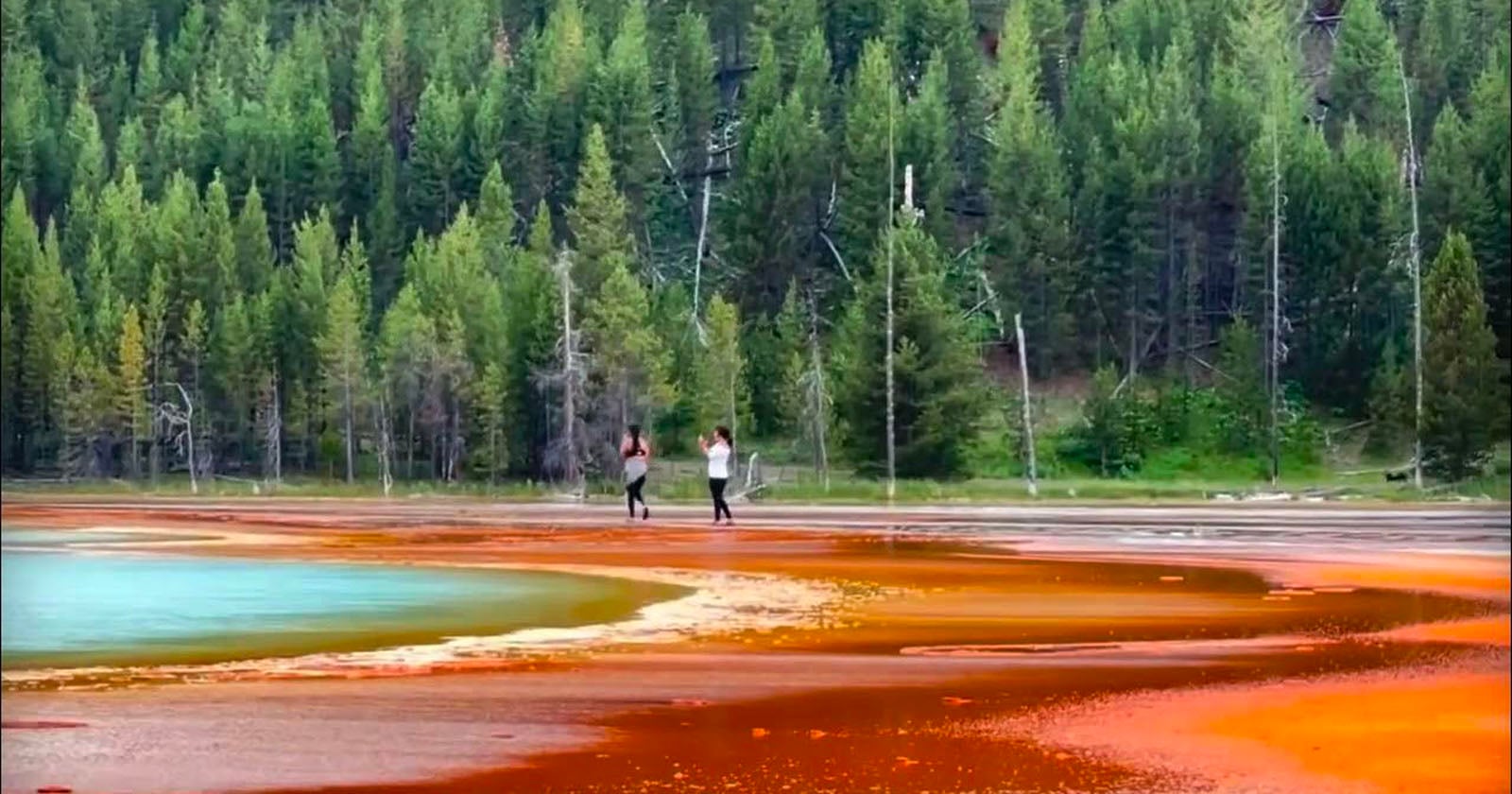
The recent incident involving tourists trespassing on the Grand Prismatic Spring in Yellowstone National Park, risking both their safety and the delicate ecosystem, is more than just a story about reckless behavior. It’s a stark illustration of our increasingly pervasive culture of prioritizing the perfect image over respect for natural wonders and personal well-being. The outrage expressed online is warranted, of course; these individuals knowingly disregarded clearly posted warnings and placed themselves in a dangerous situation, potentially disrupting the thermal features that draw visitors from around the globe. This isn't an isolated event, either. Similar incidents involving disregard for protected areas are becoming increasingly common, fueled by the desire for unique, shareable content. We recently explored a similar issue surrounding drone usage in national parks National Parks and Drones: A Balancing Act, highlighting the challenges of managing technology and visitor behavior in these spaces. The pursuit of that fleeting moment of "Instagrammability" seems to be outweighing common sense and a sense of responsibility.
The Grand Prismatic Spring, with its mesmerizing bands of color created by heat-loving bacteria, is a vibrant testament to the power and fragility of the natural world. Its unique ecosystem is incredibly sensitive to disturbance; even a small change in water flow or temperature can impact the delicate balance that creates those iconic hues. Stepping onto the spring’s surface, as these tourists did, not only jeopardizes their own safety – the water is scalding hot and unstable – but also introduces contaminants and alters the microbial communities vital to its health. This incident echoes a larger trend of "Instagram tourism," where destinations are sought out not for their inherent value, but for their potential to generate likes and followers. The recent debate surrounding overtourism and its impact on Venice Venice's Tipping Point provides a crucial parallel, demonstrating how the relentless pursuit of tourism revenue can erode the very qualities that make a place desirable in the first place. The short-term gains of a viral photo simply cannot justify the long-term damage inflicted on irreplaceable natural treasures.
Beyond the immediate ecological concerns, the incident raises questions about personal responsibility and the influence of social media. While it’s easy to dismiss these tourists as outliers, their actions reflect a broader societal shift where the need for external validation often trumps rational decision-making. The proliferation of filters and curated online personas has created a culture where authenticity is often sacrificed in the pursuit of an idealized image. This need to present a flawless and adventurous self can lead to risky behavior, particularly when combined with a lack of awareness or respect for the environment. Educational initiatives are clearly needed, not just within national parks but also on social media platforms themselves, to promote responsible travel and highlight the consequences of prioritizing the image over the reality. Perhaps a greater emphasis on mindful engagement with the world, rather than solely documenting it, is what’s required.
Ultimately, the Grand Prismatic Spring incident serves as a sobering reminder that our fascination with capturing the perfect image shouldn’t come at the expense of the natural world. As technology continues to evolve and social media’s influence grows, it's crucial to cultivate a greater sense of stewardship and respect for the environments we explore. Will we, as a society, learn to value experiences over appearances, and prioritize the preservation of these extraordinary landscapes for generations to come, or will the pursuit of the perfect photo continue to erode the very beauty we seek to capture?
Two tourists have provoked outrage after walking out onto the colorful Grand Prismatic Spring in Yellowstone National Park -- seeking a photo.
Read on the original site
Open the publisher's page for the full experience