Trail Camera Captures Striking Image of Rare Eurasian Lynx in the Himalayas
Our take
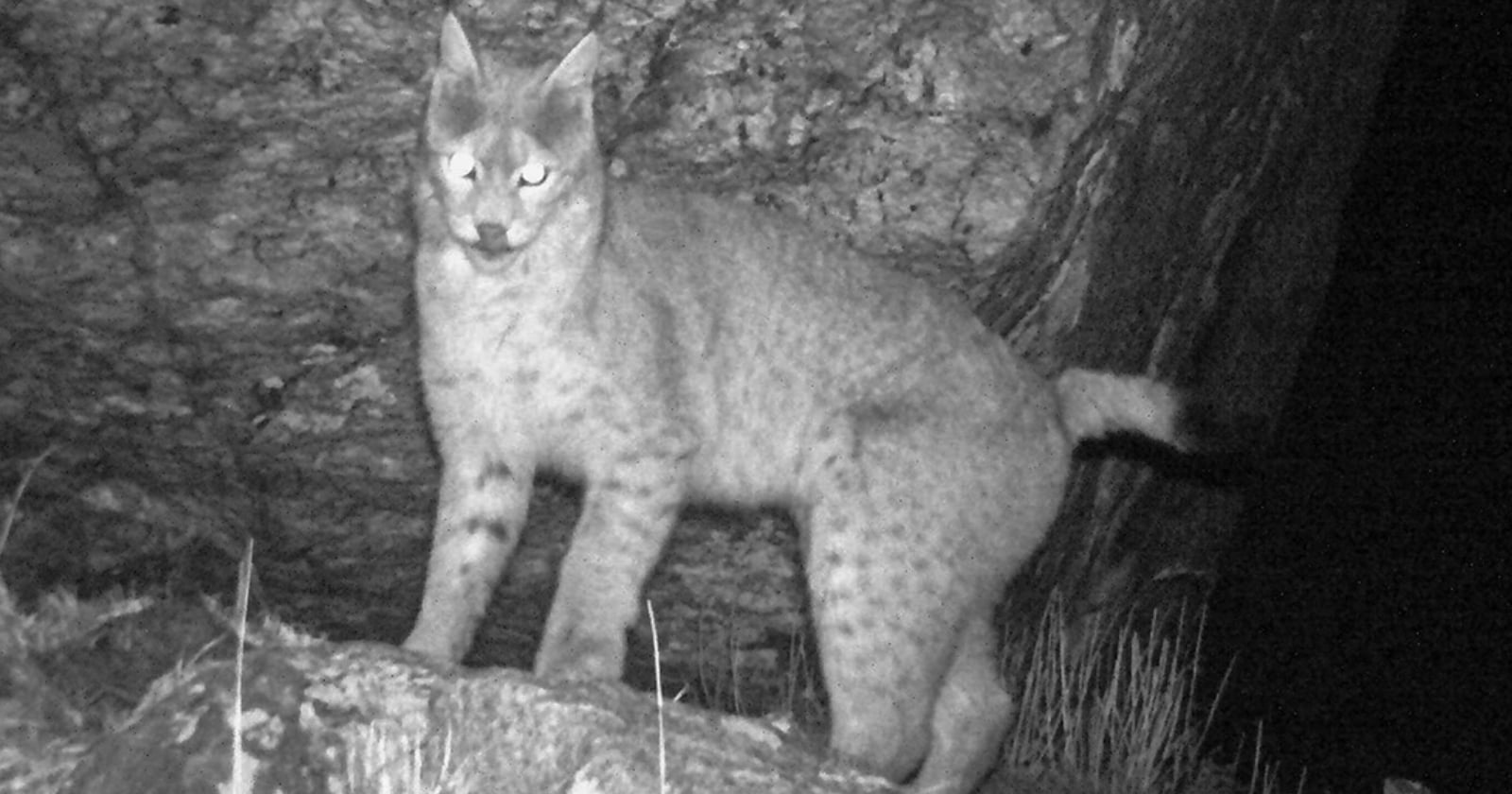
The recent capture of a Eurasian lynx in the Himalayas, documented by a trail camera in Sikkim, India, is a moment of profound significance for wildlife conservation and our understanding of this elusive species. This marks the first confirmed photographic record of the lynx in Sikkim, a region previously believed to be outside its established range. It’s a testament to the power of remote sensing technology – camera traps – in revealing the hidden movements of wildlife and expanding our knowledge of biodiversity. This discovery echoes similar triumphs in wildlife documentation, such as the recent capture of the first wild baby pine martens in southwest England for over a century [Trail Camera Captures First Birth of Wild Baby Pine Martens in a Century], and the groundbreaking aerial footage of a humpback whale giving birth [Wildlife Photographer Captures First-Ever Aerial Footage of Humpback Whale Giving Birth], both showcasing the potential of innovative techniques to illuminate previously unseen aspects of the natural world. The Eurasian lynx, already facing habitat loss and fragmentation across its range in Europe and Asia, is a species of considerable conservation concern.
The implications of this sighting extend far beyond a single photograph. It suggests a potential range expansion for the lynx, possibly driven by climate change, shifts in prey availability, or a combination of factors. Understanding the reasons behind this expansion is crucial for developing effective conservation strategies. The high-altitude environment of the Himalayas presents unique challenges and opportunities for the lynx, and further research is needed to assess the viability of a potential population. It’s also vital to consider the potential impact of human activity in the region, including livestock grazing and infrastructure development, on the lynx’s habitat and survival. The image itself, stark and compelling, serves as a potent reminder of the wild beauty that still exists in remote corners of the world, and the importance of protecting these fragile ecosystems. The deliberate curation of these moments, captured through dedicated observation, highlights a commitment to understanding and preserving these natural treasures.
The discovery also underscores the growing role of citizen science and technological advancements in wildlife monitoring. Trail cameras, once a niche tool, are now increasingly deployed worldwide, providing a wealth of data on animal behavior, distribution, and population dynamics. This data is invaluable for researchers, conservationists, and policymakers, enabling them to make informed decisions about habitat management and species protection. The meticulous documentation of such events – the careful processing and analysis of images, the verification of species identification – requires a level of precision and dedication that aligns with the artistic sensibility of observation and the scientific rigor of analysis. The photographic record, in this instance, is not merely an image, but a crucial piece of scientific evidence, contributing to a broader understanding of the Himalayan ecosystem and the resilience of its inhabitants.
Looking ahead, this remarkable finding prompts a crucial question: what other undiscovered species might be lurking in the remote and unexplored regions of the Himalayas? The success of this camera trap project should inspire further investment in remote sensing technologies and conservation initiatives across the globe. As human impact on the planet continues to intensify, the ability to monitor and understand wildlife populations is more important than ever. The image of the lynx, poised and watchful in its mountain domain, serves as both a celebration of nature's enduring power and a call to action to protect it for generations to come.
A trail camera has captured a striking image of a rare Eurasian lynx moving across the high-altitude Himalayas - marking the first confirmed photographic record of the species in Sikkim, India.
Read on the original site
Open the publisher's page for the full experience