TV Station Refuses to Pay for Photographer Who Risked His Life in Bondi Beach Shooting
Our take
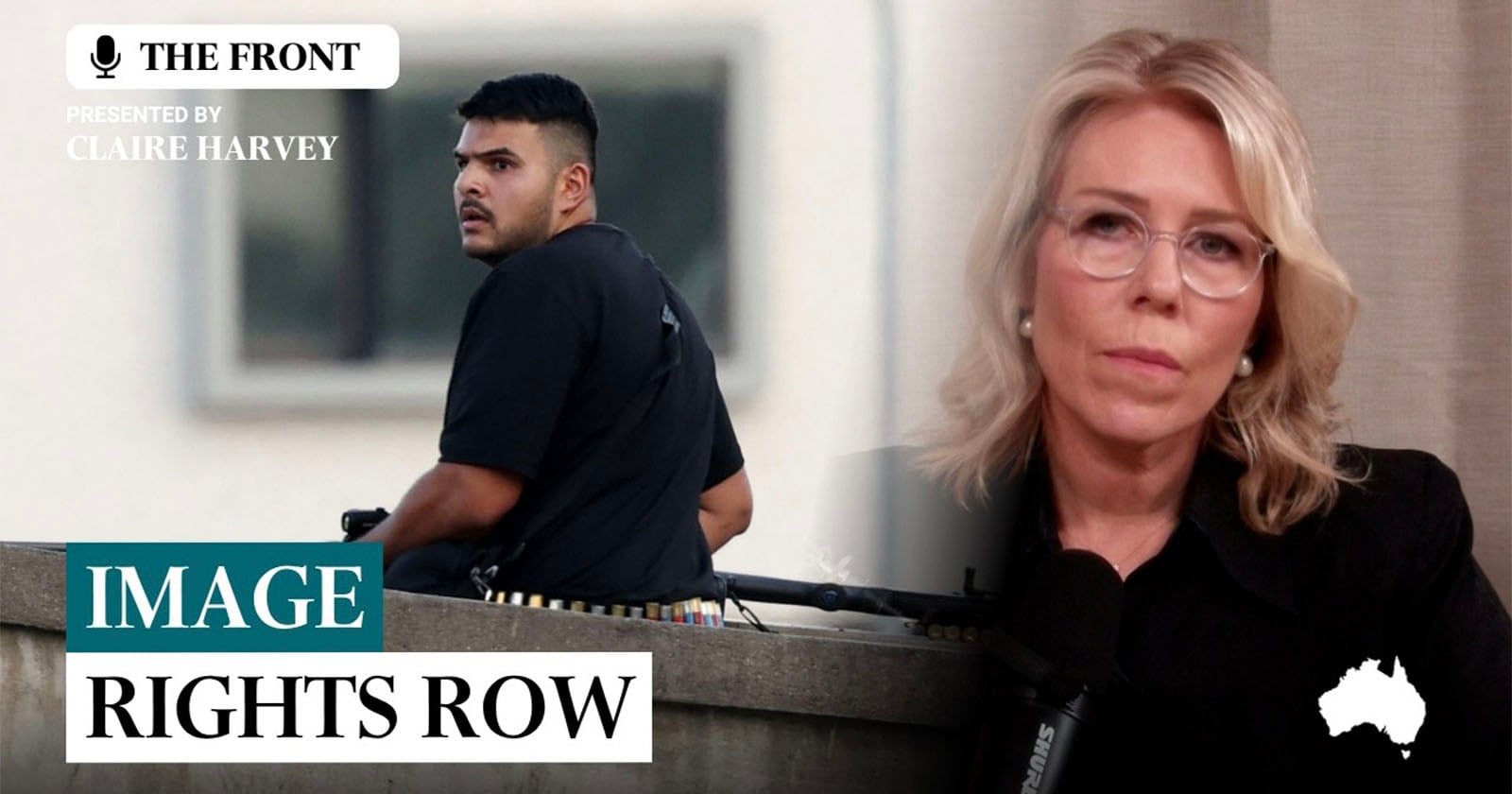
In a shocking yet revealing incident, a photographer who courageously captured images during the tragic Bondi Beach shooting has faced an unsettling refusal from a prominent national news service to compensate him for his work, citing fair use as their defense. This situation sheds light on the precarious position of photographers and creatives in an industry increasingly dominated by ambiguous copyright laws and the relentless pursuit of content at minimal cost. As we explore this unfolding story, it echoes the sentiments expressed in discussions surrounding the value of artistry, such as in Lara Jade‘s Beauty Light Guide and the importance of fair compensation, much like what's addressed in Seeking feedback on pricing limited edition fine art photography prints.
The refusal to pay for images that were not only taken under extreme duress but also serve as vital documentation of a public safety event raises critical questions about artistic integrity and the ethical responsibilities of media organizations. In a world where consumer expectation often dictates free access to images and content, the value of a photographer’s work can be tragically diminished. This incident is a stark reminder that the narratives captured by artists come at a personal and sometimes perilous cost, a reality that should not be overlooked by the media entities that profit from such evocative imagery. The lens of a camera can tell powerful stories, yet those who wield it deserve recognition and fair remuneration for their bravery and artistry.
Moreover, this case underscores the broader implications of intellectual property rights in the digital age. With platforms continuously blurring the lines between fair use and copyright infringement, photographers are left navigating a minefield of legal uncertainties. This scenario is not isolated; it resonates with the experiences of many creatives who find themselves in similar predicaments. As outlined in the article discussing Fujifilm’s Old XF 35mm f/1.4 Is a Best-Selling Prime Lens By a Huge Margin, the equipment used to create exquisite images represents not just a financial investment but a commitment to craft that deserves protection and respect.
As this situation unfolds, it invites a deeper conversation about the relationship between content creators and the platforms that disseminate their work. Are we, as a society, prepared to reckon with the moral implications of consuming content without recognizing its creators? The Bondi Beach shooting incident serves as a critical touchpoint that may inspire a reevaluation of how we value photographic artistry and the risks associated with it.
Looking ahead, it will be crucial to monitor how this case influences industry standards and public awareness around copyright issues. Will it spark a movement towards more equitable practices in media compensation, or will it reinforce the status quo of exploitation? As we continue to engage with the art of photography and the stories it tells, let us advocate for the rights of those who bravely capture life’s most poignant moments, ensuring that their contributions are honored and compensated justly.
A photographer who risked his life during the deadly Bondi Beach shooting in Australia has found that a major national news service is refusing to pay for his images, claiming fair use.
Read on the original site
Open the publisher's page for the full experience