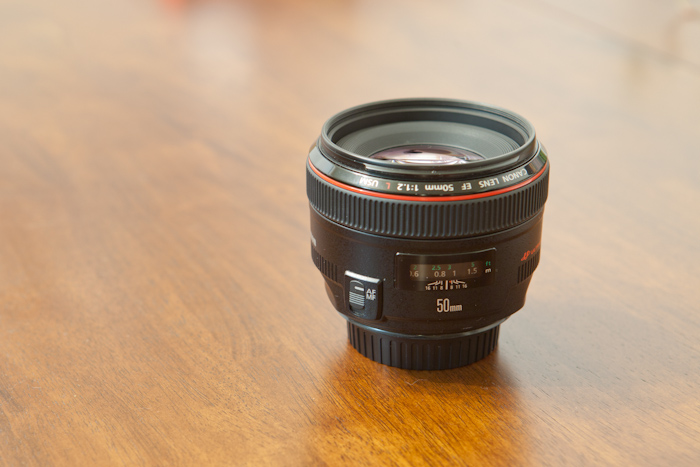
Twenty years is a remarkable run for any piece of technology, but for a lens, it borders on legendary. The Canon EF 50mm f1.2 has outlived camera bodies, marketing cycles, and the rise of mirrorless systems, and it still commands a devoted following. That staying power is not nostalgia; it is proof that some tools earn their place through character rather than specs. In an era where sharpness charts and pixel-peeping dominate the conversation, this lens reminds us that rendering a face with gentle, cinematic depth is a skill that numbers cannot capture.
What makes the EF 50mm f1.2 so enduring is not that it is the sharpest fifty on the shelf, because it is not. Its magic lives in the way it draws light, the way it falls off into creamy bokeh, and the way it handles skin tones with a softness that feels intentional rather than flawed. For wedding photographers, street shooters, and photojournalists, this is not a tool for laboratory tests; it is a companion for fleeting moments. When you only have one frame to tell a story, a lens that flatters the subject and isolates the chaos around them is worth more than a perfectly flat, clinically accurate image. This is the same philosophy that guides our look at The Art of the Street: Why Your Gear Shapes the Frame, where we argued that the right gear does not just record a scene, it interprets it.
The practical reality for Canon shooters adds another layer to this lens's longevity. Unlike brands that welcome third-party glass, Canon's ecosystem has historically pushed users toward first-party options, and that has created a peculiar loyalty. The EF 50mm f1.2 sits in a sweet spot: it is fast enough for low light, compact enough for daily carry, and characterful enough to make every shoot feel a little more curated. For those adapting it to newer bodies, it still delivers a look that modern lenses often polish away in pursuit of perfection. This is not about chasing the latest release; it is about understanding that optical character, much like the curated reissue of Capa's defining war lens, can transcend its era and speak directly to the photographer's intent.
The question that remains is whether Canon will ever give this classic a true successor, or if the EF mount will quietly fade as RF lenses take center stage. For now, the demand is still there, and that says something about what photographers truly value. The takeaway is simple: if you are hunting for a lens that adds soul to your frames, do not underestimate a two-decade-old design. Rent one, borrow one, or adapt one, and see for yourself how a slightly imperfect, beautifully human optic can change the way you shoot. That is not a compromise; that is a choice, and it is one worth making deliberately.