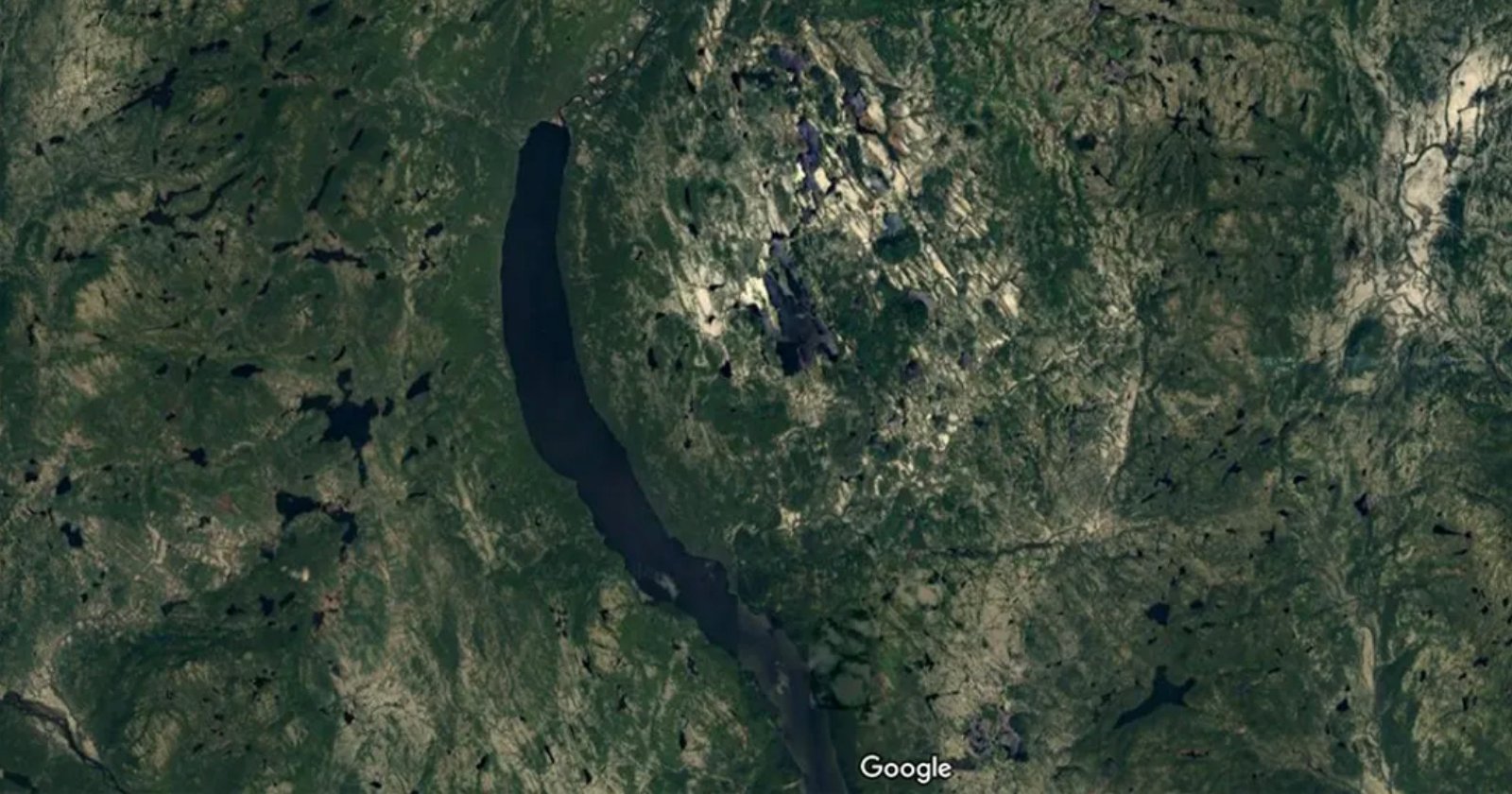
There's a particular kind of magic in the act of planning an escape. You trace your finger along the map, dreaming of the roads less traveled, and occasionally, the map answers back. That's precisely what happened to Joël Lapointe. While mapping out an epic camping trip through the Côte-Nord region of Quebec on Google Maps, his eye caught something that made him pause. The terrain looked off, almost too perfectly circular, like a scar on the landscape that didn't belong to the usual geology. He wasn't a scientist or a researcher; he was just a person looking for a good spot to pitch a tent. And in that moment of casual curiosity, he may have stumbled upon an ancient meteor crater. It's a beautiful reminder that discovery isn't always a calculated pursuit; sometimes, it's simply what happens when we take the time to look a little closer at the world around us.
This story resonates because it flips the script on how we engage with our surroundings. We often treat exploration as a grand, curated expedition, but Lapointe's find is a testament to the power of the everyday observer. It echoes the spirit of other accidental discoveries we've covered, like when a rock art enthusiast used processing techniques to reveal hidden designs on Earth, or when the Curiosity Rover sent back images that made us rethink our own planet. There is a thread that connects these moments: the idea that wonder is always available, even from a satellite view. For our readers, the takeaway isn't just about the crater itself, but about the mindset. It's about trusting your instincts when something feels significant, even if you don't have the credentials to explain why. We'd tell you to lean into that curiosity, because the next great revelation might be hiding in plain sight, waiting for someone like you to simply ask, "What is that?"
What makes this even more compelling is the practical reality of what happens next. Lapointe has reported his findings, and geologists are now looking into the site. The process of verification is slow, methodical, and deeply unglamorous compared to the initial thrill of the find. But that contrast is where the real story lives. We live in a world that loves instant gratification, yet the earth moves on its own timeline. The same patience required to confirm a crater is the same patience required to appreciate the slow, deliberate work of understanding our own history, whether it's the aftermath of a mine rescue in Chile or the quiet persistence of a rover on Mars. The open question here is whether this will shift how we view our own backyards. We'd ask you to consider this: the next time you're scrolling through a map or walking a familiar trail, allow yourself to see it with fresh eyes. The landscape is rarely as static as it appears, and the most profound discoveries often begin with a simple, unassuming pause. Keep that sense of wonder close, because it's the only tool you need to uncover the hidden layers of the world.