The convergence of creative tools and artificial intelligence continues to accelerate, and Adobe’s latest move – integrating Lightroom and Photoshop directly into Google's Gemini AI platform – is a significant development. This isn’t Adobe’s first foray into AI-powered assistants; we’ve previously seen them bring tools to ChatGPT, Claude, Slack, and Copilot. However, embedding these industry-standard photo editing powerhouses within Gemini feels particularly impactful, suggesting a deeper commitment to democratizing sophisticated creative workflows. It echoes the broader trend of blurring the lines between creation and assistance, moving beyond simple generative AI to encompass established professional tools. The recent departure of an American CEO after posting an AI-edited photo Aspirational Image, Unexpected Exit: CEO Departs After AI Photo highlights the evolving sensitivities around AI in creative spaces, but this integration feels less about replacement and more about augmentation. Even the seemingly simple act of capturing nature, as explored in Unlock New Perspectives: AI-Powered Telescope Transforms Smartphone Bird Photography, demonstrates how technology can expand creative possibilities, and this Gemini integration promises to do the same for photo editing.
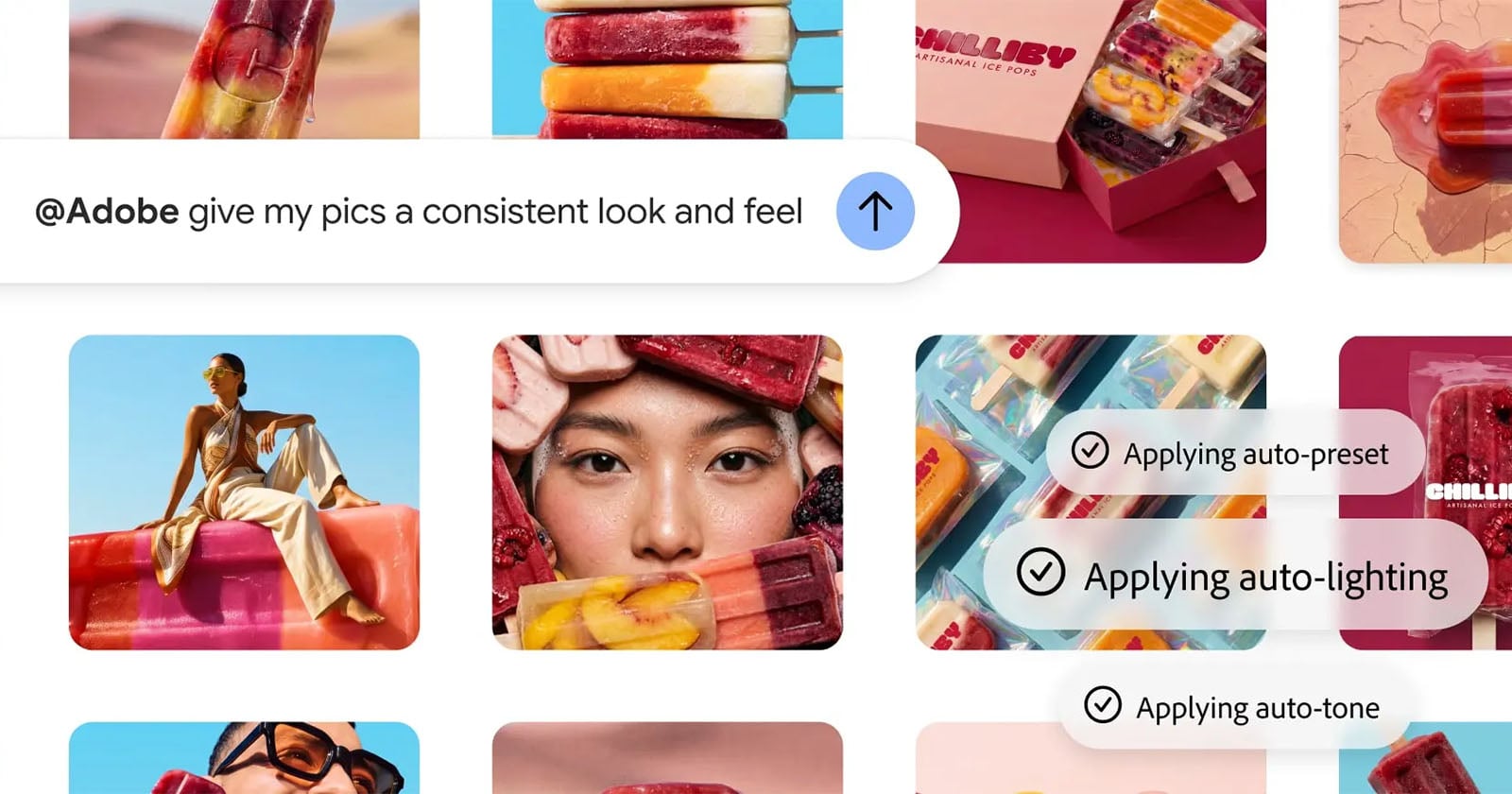
The significance of this move extends beyond mere convenience. It's about accessibility. Historically, mastering Lightroom and Photoshop has required considerable time, training, and often, expensive software subscriptions. While these tools remain essential for professionals, Gemini’s integration offers a potentially streamlined and more intuitive entry point for a wider range of users. Imagine quickly refining images, applying complex adjustments, or even generating variations based on natural language prompts – all within the familiar Gemini interface. This could unlock creative potential for individuals who previously felt intimidated by the complexities of professional editing software. The ability to leverage AI to intelligently apply auto-presets, auto-lighting, and auto-tone adjustments, as depicted in the announcement imagery, demonstrates a move towards making powerful tools accessible to everyone, regardless of their technical skill level. It's not about replacing the artistry of the photographer, but providing a powerful assistant to realize their vision more efficiently. Furthermore, understanding the nuances of photographic technique, like the importance of manual focus as discussed in Unlock Vision: The Art of Manual Focus in Digital Photography, will become even more valuable as AI handles more of the routine adjustments.
The broader implications for the creative space are considerable. This integration signals a shift towards a more symbiotic relationship between human creativity and artificial intelligence. We’re moving beyond simply generating images from scratch and towards enhancing and refining existing assets with AI's assistance. This has the potential to reshape workflows across various industries, from e-commerce and marketing to journalism and personal photography. Adobe’s decision to embrace this direction, rather than resist it, underscores the inevitability of AI’s role in the future of creative work. It also reinforces Google’s ambition to position Gemini as a central hub for a wide range of tasks, seamlessly integrating powerful tools from across the digital landscape. The ease of access and the potential for rapid experimentation will likely fuel a new wave of visual creativity, pushing the boundaries of what's possible with photography and image editing.
Looking ahead, the most compelling question is how this integration will evolve. Will Gemini become a true co-pilot for photographers and editors, anticipating their needs and suggesting creative solutions? Will it enable entirely new forms of image manipulation and artistic expression that are currently unimaginable? The potential for personalized AI assistants that learn individual editing styles and preferences is particularly exciting. As AI models become increasingly sophisticated, we can expect to see even deeper integration and more intuitive workflows, blurring the lines between human and artificial creativity even further. The key will be ensuring that these tools empower creators, rather than diminishing the value of their artistic vision.