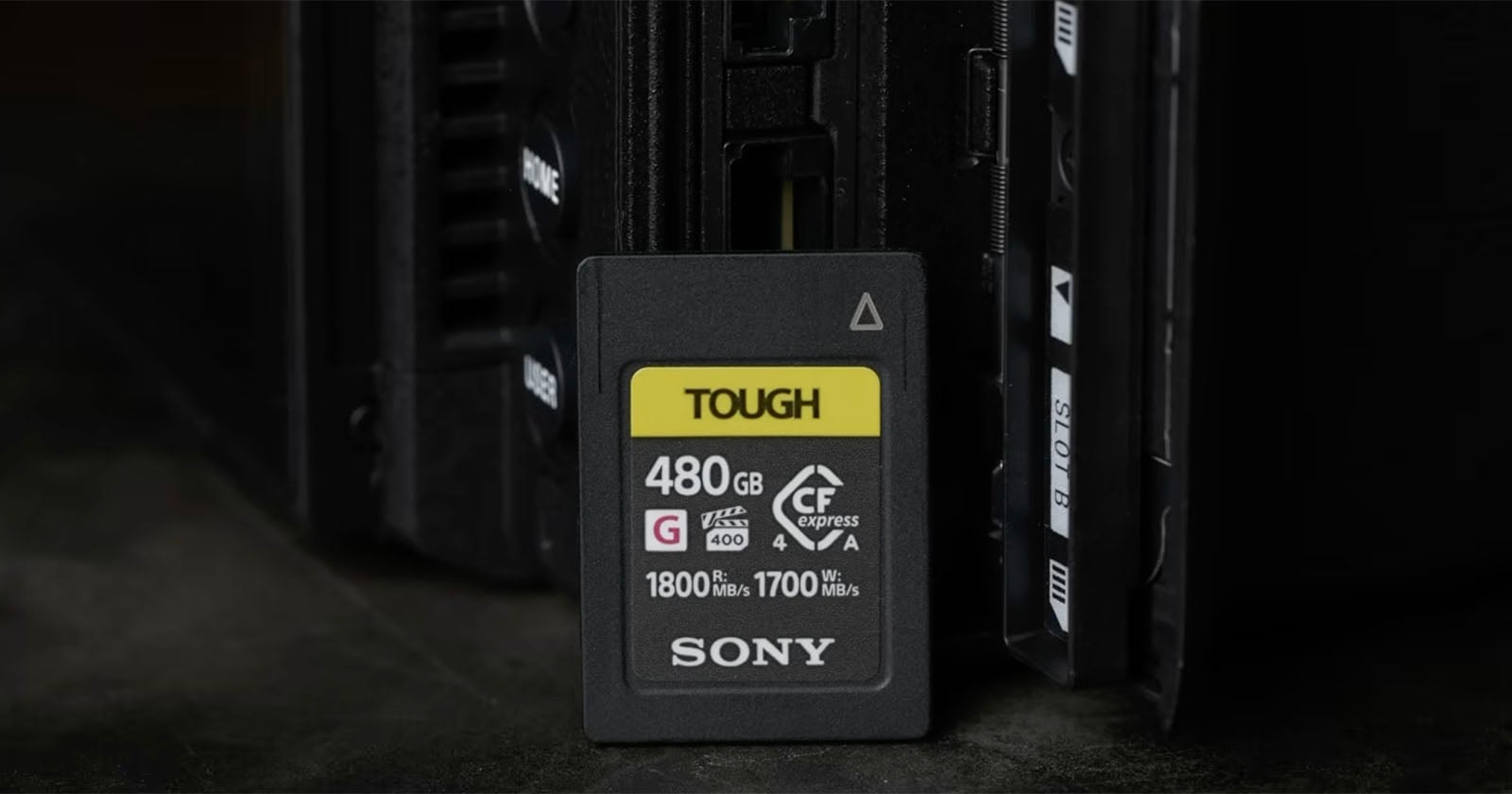
Sony's new FX5 is a statement. It is a camera built for cinematic artistry, a tool that promises to elevate the visual language of its users. But with great power comes great demands, and in this case, those demands are placed squarely on your memory card budget. The announcement positions the FX5 as having among the strictest memory card requirements of any Sony FX or Alpha Series camera to date, which is a significant shift from the more forgiving nature of its predecessors. This isn't a subtle tweak; it's a fundamental constraint that will shape how you work in the field.
For our readers, this is the definition of a practical hurdle. We are not just talking about faster write speeds; we are talking about the specific, often pricey, CFexpress Type A media that this camera will require to unlock its full potential. This feels less like a technical footnote and more like a creative mandate. If you are a hybrid shooter who relies on a mix of SD cards and CFexpress, or a solo creator who likes to have a stack of spares in your bag, the FX5 is going to force a serious, and potentially expensive, re-evaluation of your kit. The question is no longer *if* you need to invest in this workflow, but *how much* of your budget will be diverted from glass and travel to storage. For a deep dive into the specific cards that will make the cut, check out our guide on Sony’s demanding memory card requirements, and for a broader look at the camera's features, you can read the full announcement. We also have some thoughts on what this means for your existing media strategy.
Our honest take? This is a bold, and somewhat aggressive, move from Sony. It's a clear signal that they are prioritizing the top-tier professional workflow, even if it means leaving some hobbyists and prosumers behind. But it also speaks to a certain level of confidence in the camera's capabilities. If the FX5 is delivering the image quality and frame rates we suspect it is, then the demanding media requirements are a necessary price to pay. The curated experience they are offering is not for the faint of heart; it is for the creator who demands the absolute best and is willing to architect their entire system around it. This is where the aspirational meets the practical, and the conversation becomes about commitment.
If you ask us, the real question to watch is not whether the FX5 is good, but how Sony will handle the transition for existing users. Are they going to offer any trade-in programs for older CFexpress cards? Will the camera have a proxy mode that records to slower, more accessible media for run-and-gun scenarios? The specific detail we are watching is the actual sustained write speed required for the highest bitrate codecs. If it's a single high-speed mode, that's one thing. But if it's a specific, new, and even faster standard of CFexpress Type A, then the total cost of ownership just jumped significantly. That is the concrete point: the FX5 isn't just a new camera; it's a new ecosystem. The takeaway you can quote is this: *The FX5 will not just test your filmmaking skills; it will test your willingness to pay for the fastest, most reliable storage on the market.* Plan your budget accordingly.