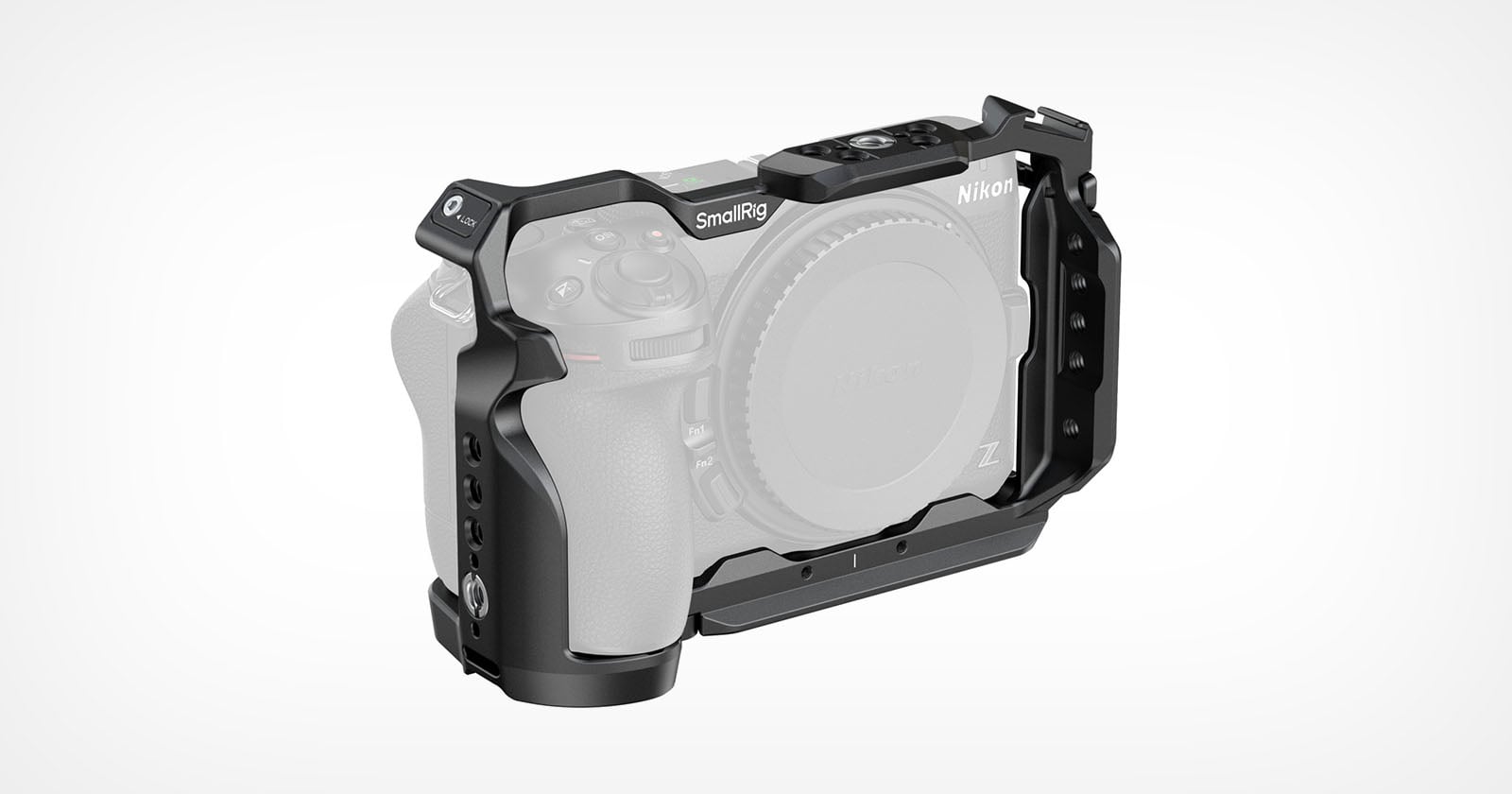
The rapid response from SmallRig to Nikon’s announcement of the Z5 IIC speaks volumes about the evolving landscape of camera accessories and the demands of the modern creator. It’s not merely about providing add-ons; it's about anticipating a community’s needs and empowering them to push the boundaries of their creative vision. This swift reaction underscores a broader trend we've noted before – a disconnect between camera innovation and the actual workflows of those using the equipment Beyond the Lens: Is Camera Innovation Missing the Modern Creator?. While manufacturers focus on megapixel counts and sensor sizes, accessory makers like SmallRig are keenly observing how creators *actually* utilize their cameras, prioritizing practical functionality and modularity. The availability of a quick release cage and baseplate so soon after the camera’s debut is a testament to this observant approach, signalling a commitment to facilitating robust and adaptable filmmaking setups.
The Z5 IIC’s enhanced video capabilities, as hinted at in the announcement, are clearly the driving force behind this accelerated accessory development. Filmmakers, particularly those working in the independent and documentary spheres, demand rigs that allow for seamless integration with external microphones, lights, monitors, and other essential tools. SmallRig’s offerings cater directly to this need, allowing users to transform a relatively compact camera body into a versatile production powerhouse. This mirrors the ethos behind Leica’s recent moves to bolster iPhone photography with its LUX ecosystem Leica Elevates iPhone Photography with Curated LUX Ecosystem & McCurry Filter, albeit on a different scale. Both demonstrate a recognition that the core photographic experience extends far beyond the camera itself; it's about the entire system and the ability to tailor it to specific creative requirements. The accessibility and relatively lower cost of the Z5 IIC, combined with readily available, high-quality accessories, creates an appealing proposition for aspiring and seasoned filmmakers alike.
The speed with which SmallRig can develop and release these accessories also highlights the increasing sophistication of the accessory manufacturing process. Utilizing readily available CAD designs and 3D printing technologies allows for rapid prototyping and production, responding almost instantaneously to new camera releases. This agility contrasts with the traditionally longer development cycles of camera manufacturers themselves. Furthermore, this rapid response isn't isolated to SmallRig; other accessory brands are likely following suit, creating a competitive ecosystem that benefits the end-user. Consider the innovative solutions Mutiny has provided for cameras like the Hasselblad XPan Artful Alignment: Mutiny's Bracket Elevates XPan's Tripod Experience, demonstrating a commitment to enhancing the user experience through thoughtful and well-designed accessories.
Ultimately, this dynamic between camera manufacturers and accessory developers is reshaping the creative landscape. The Z5 IIC’s accessory debut isn’t just about a cage and a baseplate; it’s a signal that the power to customize and expand camera functionality is increasingly in the hands of the creators, not just the manufacturers. The question now becomes: will camera companies fully embrace this collaborative model, integrating accessory design considerations into their own development processes, or will the accessory market continue to lead the charge in fulfilling the evolving needs of the modern visual storyteller?