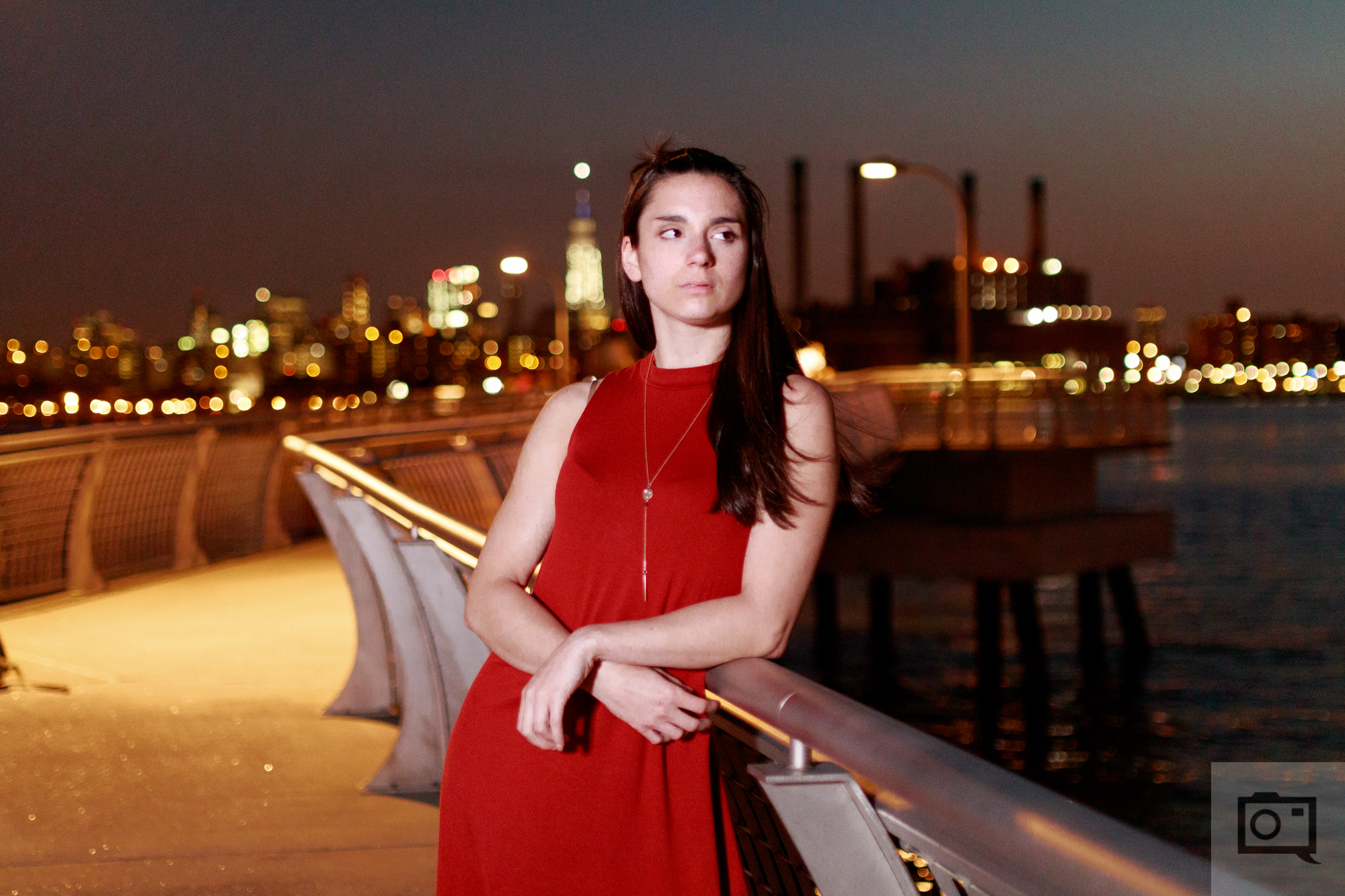
There is a quiet rebellion in choosing the harder path, especially when the easier one is staring you in the face. The argument for studio strobes over LEDs is not really about gear; it is about the creative friction that forces you to think. When a light gives you every answer before you have even asked the question, you are not making a picture, you are merely recording one. The piece makes a compelling case for embracing the puzzle, and we are here for it. This is the same spirit we champion when we talk about Cultivating Connection: Creating Comfortable Portrait Experiences, where the real skill is not in the settings but in the listening. And for those who think strobes are confined to a studio, the idea of taking them on location is a reminder that the world is your set, a sentiment that echoes through Collaborate & Create: Boudoir Sessions Offered Across Florida's Coast.
The practical takeaway here is not that LEDs are bad, they are not. They are efficient, consistent, and undeniably convenient. But convenience has a subtle cost. When the histogram and a live preview show you exactly what the final image will look like, you lose the thrill of the unknown and the muscle memory of calculating light ratios in your head. A strobe, with its flash of light and its need to be shaped, metered, and modified, demands a level of engagement that is almost meditative. It forces you to see light not as a tool to be switched on, but as a material to be sculpted. In a world that is increasingly obsessed with instant gratification, choosing a strobe is a deliberate act of slowing down. It is a choice to value the process as much as the result, a philosophy that aligns with the curated, intentional approach we advocate for in every aspect of a creative life.
If a reader came to us with this question, we would tell them this: do not be afraid of the learning curve. The initial frustration of figuring out where to place a strobe is the exact investment that pays off in your visual intuition. It is the difference between copying a style and developing one. The article is not just a defense of old technology; it is a call to reclaim your agency as an artist. The real question is not whether you can afford to use strobes, but whether you can afford to let your creative vision be flattened by the path of least resistance. So, the next time you are tempted to reach for the continuous light, ask yourself if you are solving a problem or just taking a shortcut. The answer might just change how you see everything. The question we are left with is simple: are you ready to work for the image, or do you want the image to do the work for you?