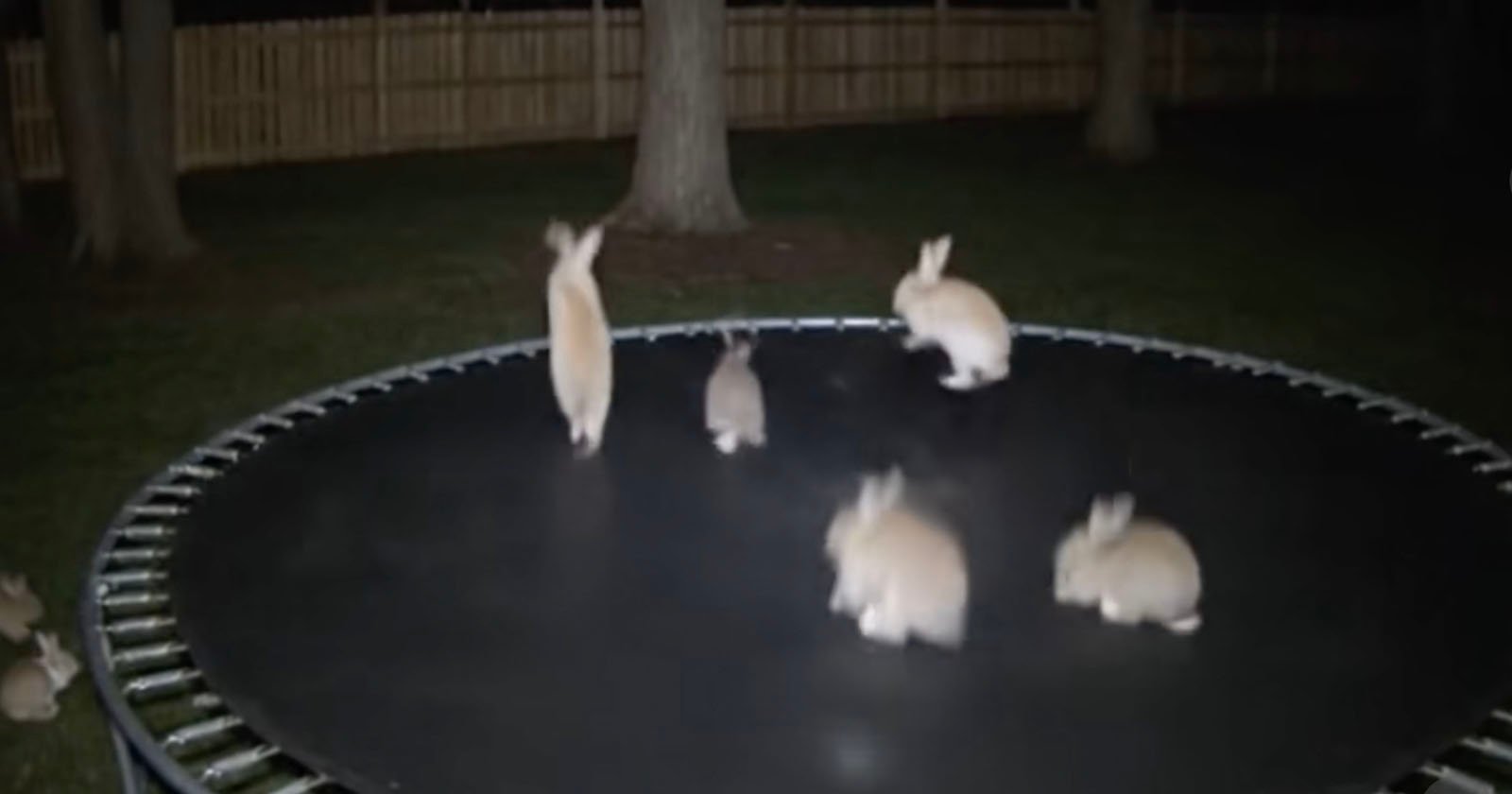
There is a particular kind of magic in a photograph or a video that feels alive, that hums with authenticity. We chase that feeling as visual storytellers and lovers of culture, which is why the news from researchers about a new tool for tracing fake videos to their source feels less like a technical footnote and more like a step toward preserving the integrity of our shared visual language. The tool works by identifying the distinct, invisible "fingerprints" that different AI systems leave on their output, essentially unmasking a fabricated scene by pointing back to the very model that conjured it. In a world where seeing has so long been believing, this is a quiet but profound reclamation of trust.
This development lands at an interesting crossroads, especially when we consider how the conversation around AI and art has already begun to shift. Just last week, we saw the debate intensify when an image heavily edited with AI controversially won a state fair photography competition, prompting organizers to scramble for new rules. That moment was about the front end, about the ethics of creation and the blurring line between photographer and prompt engineer. But this new tracing tool speaks to the back end, the forensic layer. It offers a different kind of clarity, one that doesn't rely on the creator's honesty but on the technology's inherent, telltale signatures. It is a more elegant, and perhaps more reliable, arbiter of provenance. For artists, this is a tool that can protect the authenticity of their craft, while for the rest of us, it offers a way to navigate the increasingly crowded space of digital content without feeling naive.
The practical impact for our audience, the creative collaborators and health-conscious enthusiasts who curate their feeds with intention, is significant. You are likely already inundated with content that looks aspirational, and the threat of being fooled by a perfectly rendered, AI-generated video of a wellness influencer or a stunning fashion campaign is real. This tool gives you a way to ask a question that was previously impossible to answer: Where did this come from? It shifts the power dynamic, allowing you to engage with content from a place of informed curiosity rather than passive consumption. It is an invitation to be a more discerning participant in the visual world, to appreciate the artistry of a video while understanding its origins. We would tell a reader who asks us about this that it is the most exciting piece of accountability to hit the visual space since the camera itself, a reminder that technology can be used to reveal, not just to deceive.
Of course, this is only the opening move in a long game of cat and mouse. As these models evolve, so too will their fingerprints, and there will always be a countermeasure waiting in the wings. But for now, the specific promise here is that the onus is no longer on the viewer to be skeptical of everything they see; it is on the system to be transparent about what it has made. The concrete detail to watch is how quickly this kind of tracing becomes standard practice, whether it becomes a built-in feature of our most used platforms or remains a specialized tool for forensic experts. That answer will determine whether we are entering an era of radical transparency, or simply adding another layer to the illusion. But for a moment, it feels like the truth has a fighting chance.