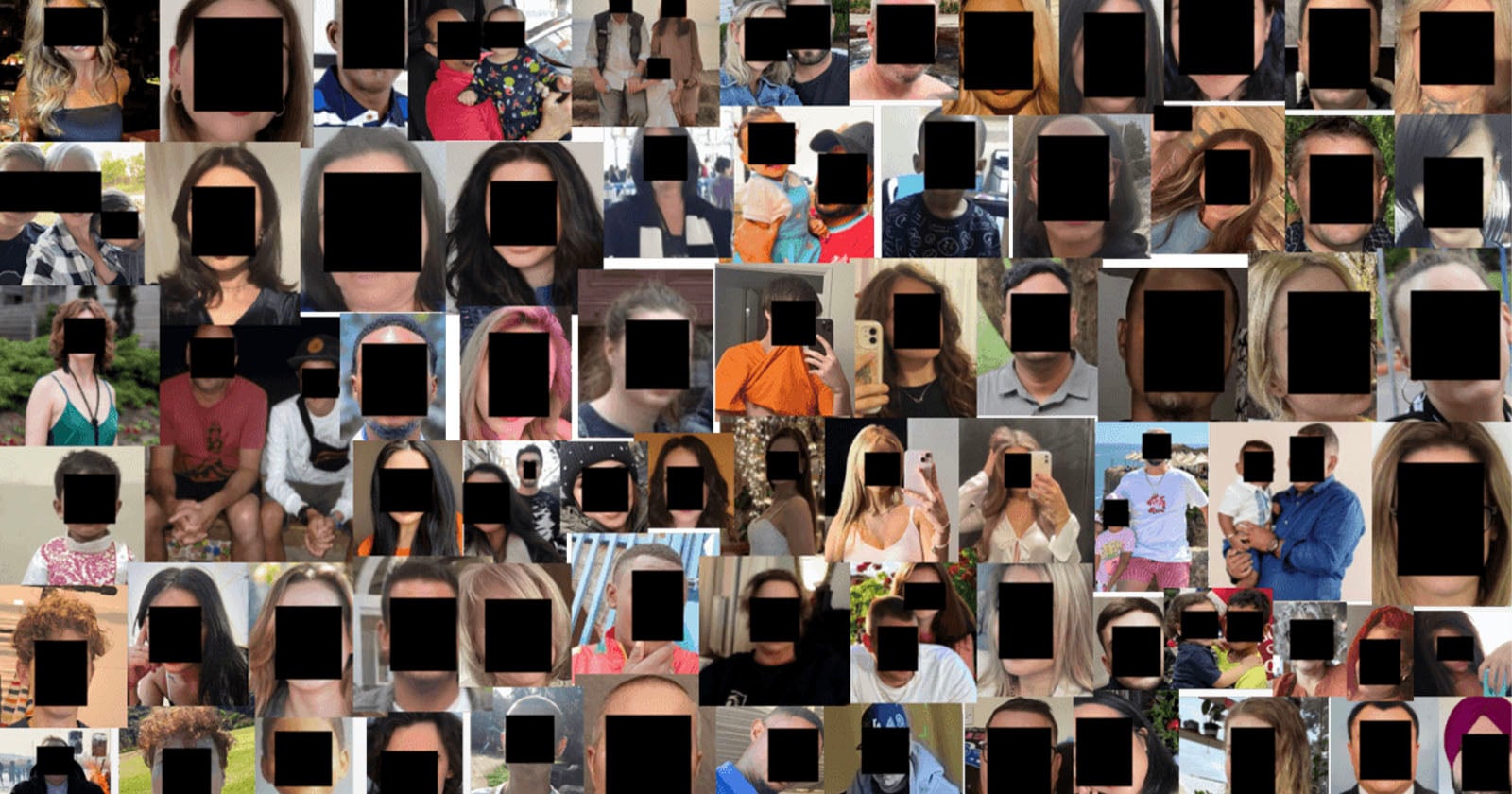
There is a quiet, unsettling irony in the way we curate our digital lives. We spend our days carefully selecting the perfect angle, the right filter, the most flattering light, all in the service of presenting an authentic self to the world. Yet, as the recent discovery of an unsecured database containing millions of facial images reminds us, our likeness can be collected, stored, and shared in ways we never intended. This isn't just another abstract privacy policy update; it is a tangible breach of the sanctuary we feel when we look into a mirror. For a community that values the artistry of the image, this news feels particularly invasive, a stark reminder that the faces we craft so deliberately can be reduced to mere data points in a vast, exposed archive.
We often talk about the beauty of a well-composed portrait, the way a single frame can capture a soul. It is a form of storytelling that we celebrate, from the iconic shots of The Curated Archive: Revisiting the Olympus E-M5, the Original Icon to the candid, authentic moments shared by street photographers like Shin Noguchi in Moments Captured: Shin Noguchi’s Street Photography, Now in a Deck. These images thrive on a shared understanding between subject and creator, a trust that the moment is being honored. But what happens when that trust is broken? When the tool designed for identification becomes a vault with an unlocked door, the very act of taking a picture feels less like art and more like a liability. The database's exposure is a stark juxtaposition to the intentionality we bring to our own craft, where every click is a deliberate act of creation, not a passive collection for an unknown future.
This isn't a call to abandon the lens, but rather to sharpen our awareness of what we share and how it can be used. In the same way we consider the light and composition before pressing the shutter, we must consider the data trail we leave behind. The tools we use to create, from the cameras we hold to the platforms we post on, are part of a larger ecosystem. A reminder of this came with the news that Canon is expanding its lens lineup, as seen in A New Lens for Close-Ups: Canon's RF 90mm Macro Arrives, pushing the boundaries of what we can see. But while we pursue that perfect macro shot, we must also be mindful that the technology which enables our artistic vision can also be used to magnify our exposure in ways we cannot control. The onus is on us to demand better security, to hold these companies accountable, and to think critically about the digital ecosystem we inhabit.
The question that lingers is not just who is looking, but what they are looking for. As we move forward, we should watch for how this incident reshapes the conversation around biometric data. The specific consequence to watch is the potential for a chilling effect on how people share their own images, a shift from spontaneous sharing to guarded curation. If we cannot trust the platforms that host our visual stories, we risk losing the very authenticity we seek to capture. The most immediate takeaway is clear: your face is a unique, irreplaceable asset. Treat it with the same care and intention you would give to your most cherished photograph, because once it is out there, it is no longer just your image. It is a piece of a larger, often unregulated, archive.