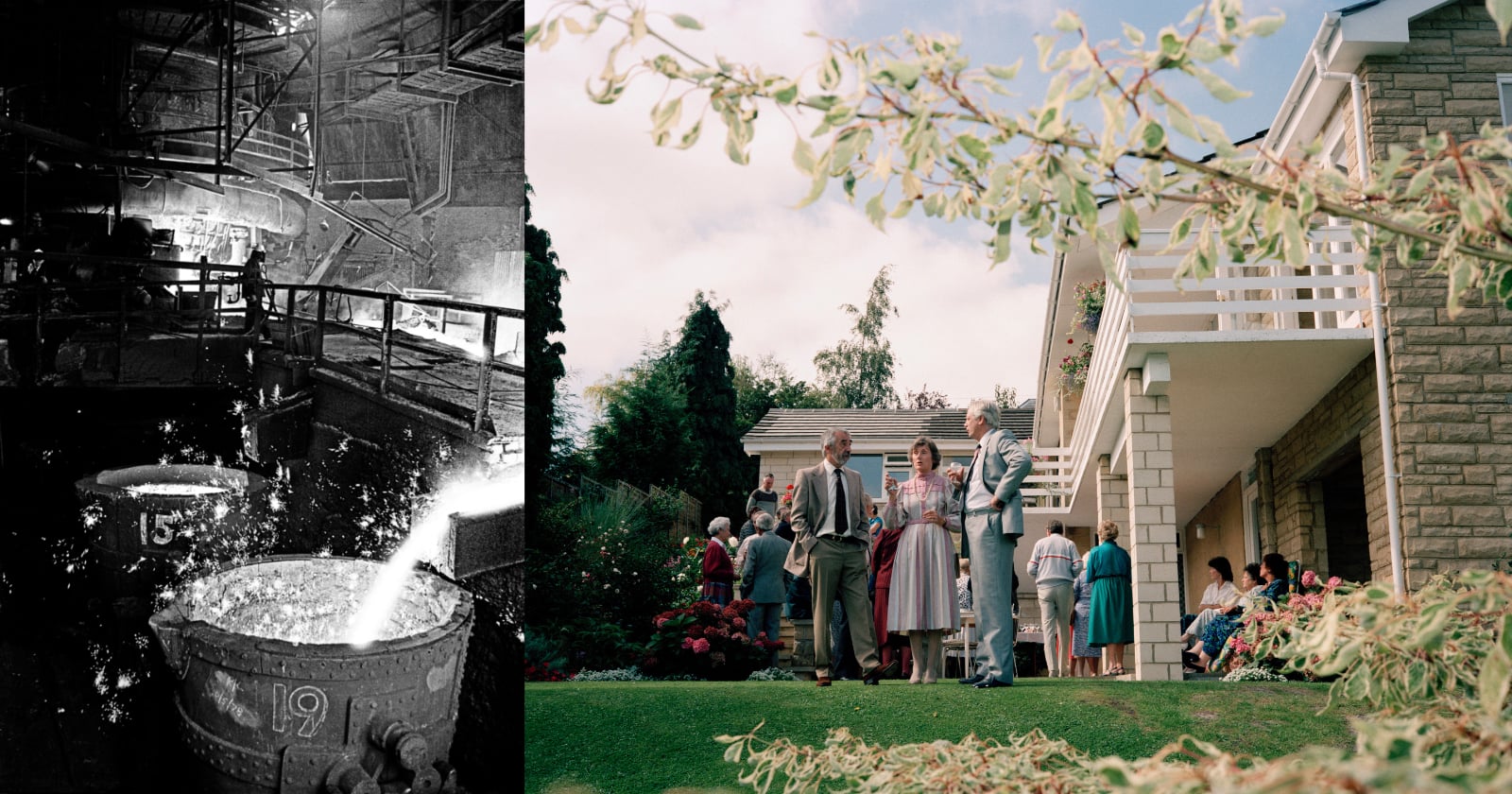
Eighty years of documentary photography from Britain and Ireland, gathered under the banner of the unsettling, asks us to look away from the postcard and toward the fissures. The new exhibition, as described, leans into the darker, more honest frames that have long defined the genre, from the grim elegance of industrial steel mills to the strangely hollow cheer of suburban gatherings. This is not a celebration of nostalgia; it is an invitation to sit with discomfort, to recognize that the British and Irish landscape, in all its curated charm, has always contained a shadow. For our readers, who understand that photography is never merely decorative, this is a reminder that the most potent images are often the ones that refuse to comfort us.
We see a direct conversation between this exhibition and the work we champion daily, particularly in our ongoing coverage of street photography. In our piece on finding joy on the streets, one frame after fashion, we explored how the candid, unposed moment can reveal a spark of humanity. This new show flips that narrative, suggesting that the unposed moment can also reveal a deep-seated unease, a social tension that lingers just beneath the surface. It is a complementary, if more somber, study of the same impulse: to document life as it is, not as we wish it to be. The practical takeaway here is for the working photographer: do not sanitize your frame. The ordinary, when captured with an authentic eye, can be as provocative as any grand spectacle.
This curatorial choice to feature the unsettling also aligns with the broader artistic mission we see in events like the 5 Boro Foto Fest, which celebrates photography as a serious art form rather than a mere tool for documentation. Both the festival and this exhibition treat the camera as an instrument of inquiry, a way to ask difficult questions about identity, class, and place. The documentary tradition, at its best, is not about providing answers but about complicating the narrative. It forces us to reconcile the vibrant, aspirational lifestyle we often curate with the gritty reality that surrounds us. For the reader who might ask, "Why should I look at images that make me uncomfortable?" the answer lies in the work itself: because these images are more true, more lasting, and ultimately more beautiful for their honesty.
What we would tell a reader considering a visit is this: go with the intention to be unsettled. Look for the tension between the steel and the garden party, between the industrial and the idyllic. The specific consequence to watch for is how this exhibition might influence the next generation of image-makers, pushing them to reject the generic, overly polished aesthetic that floods our feeds. If we are to learn anything from 80 years of this history, it is that the authentic, even when it is difficult, is always more valuable than the merely pretty. The question we should all carry with us is not whether a photograph is beautiful, but whether it is true. And as this exhibition suggests, sometimes the truth requires us to sit with a little discomfort to see clearly.