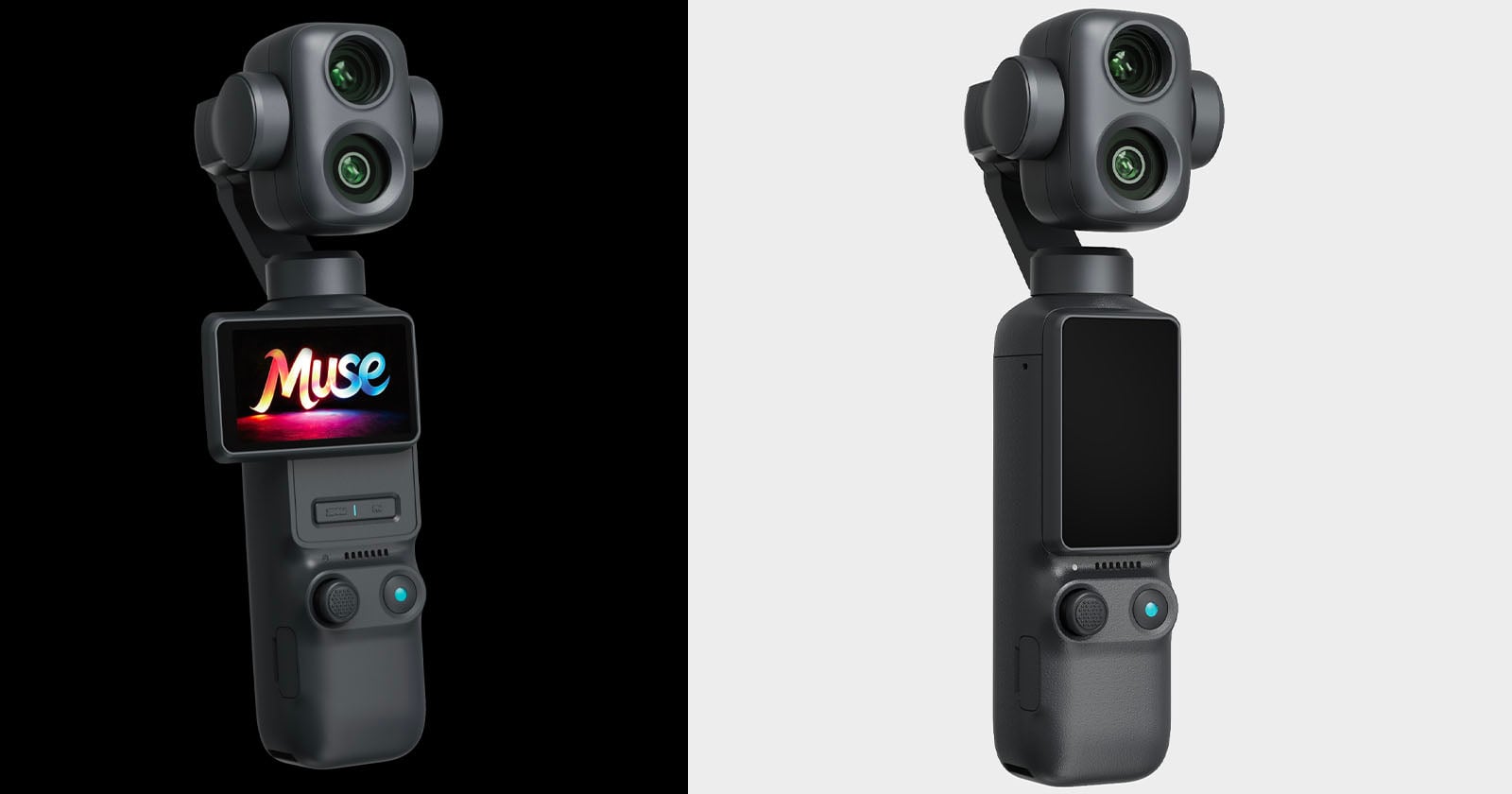
The FCC's move against disguised DJI products is a fascinating wrinkle in the world of creative tech. It's one thing to debate the merits of a brand you've chosen; it's another to discover you've been flying a product that's masquerading as something else entirely. This isn't about the usual spec-sheet comparisons or the eternal debate between Embrace the Drama: Exploring the Allure of Ultra-Low ISO Film and digital convenience. This is about the very identity of the gear in your hands, and the quiet trust we place in the name on the box.
Our take is that this goes beyond a simple regulatory scuffle. For the photographer or content creator, the hardware is often the most tangible expression of their artistic voice. When a company rebadges a DJI drone or gimbal as its own, it muddies the waters of authenticity. We value the curated detail, the specific engineering choices that come from a brand's history and philosophy. When that lineage is obscured, the tool loses a piece of its soul. It becomes a facsimile, and in a creative practice built on capturing truth and beauty, that feels like a subtle but significant betrayal of the craft.
The practical implication for our audience is clear: due diligence is now part of the creative process. Just as Elevate Your Vision: PolarPro’s Radial Filters Reimagine In-Camera Color encourages a more intentional approach to capturing a look, this news demands a more intentional approach to acquiring the tools themselves. We'd tell a reader who asked about a suspiciously well-priced, lesser-known gimbal to dig deeper. Look for FCC identification numbers, cross-reference them with official databases, and be wary of marketing that feels too generic. It's not about paranoia; it's about protecting the integrity of your own work and ensuring the equipment you trust is actually what it claims to be.
In the end, this is a story about the relationship between maker and user. When a company hides its supply chain or misrepresents the origin of its products, it breaks an unspoken contract. We'll be watching to see if this forces more transparency across the industry, or if it simply pushes these practices further into the shadows. The detail to watch is how the FCC's enforcement unfolds, and whether it inspires other regulatory bodies to take a closer look at the grey market. For now, let this be a reminder that in a world of curated aesthetics, the most important thing to curate is trust.