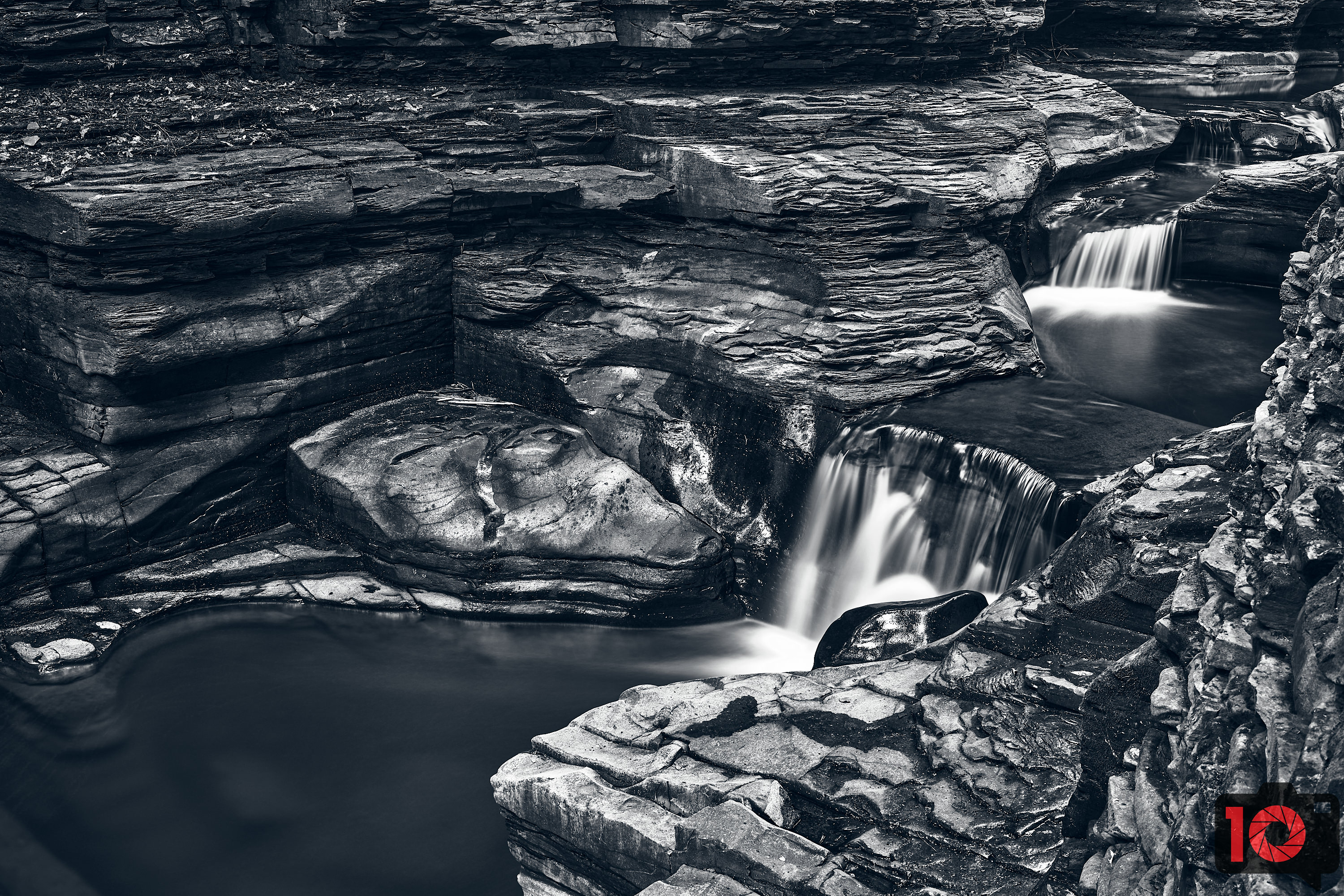
There is a quiet rebellion in choosing to strip the world of its color. In an era where every phone defaults to vivid, saturated captures, the decision to work in black and white feels less like a technical limitation and more like a deliberate act of storytelling. The article's exploration of this enduring medium reminds us why image-makers keep returning to monochrome: not because they are nostalgic, but because they are chasing something truer than what the eye normally sees. This is not about removing color for the sake of style. It is about distilling a frame down to its essential geometry, its light, and its emotional weight. For our audience, who moves fluidly between fitness, fashion, and the finer points of visual culture, this is a lesson in curation. We do not simply document our lives; we decide what deserves to be seen. That act of editing, of choosing what to include and what to leave out, is where artistry begins. We see this same philosophy play out in Finding Joy on the Streets, One Frame After Fashion, where the chaos of urban life is tamed into something worth pausing over.
What strikes us most about the enduring appeal of black and white is how it levels the playing field between subject and viewer. Without the distraction of a red coat or a blue sky, we are forced to confront texture, contrast, and the rawness of a moment. It asks something of us, the audience. We cannot passively consume; we must engage, interpret, and find meaning in the shadows. This is the same immersive pull we champion across our pages, whether we are exploring the vast unknown in Capturing Cosmic Beauty: An Astrophotography Journey with Nikon or celebrating the communal energy of visual storytelling at Experience Photography's Artistry: The 5 Boro Foto Fest Returns. Each of these stories shares a common thread: they treat photography as a language, not just a recording device. Black and white, in particular, speaks in a dialect of permanence. It suggests that what you are seeing has already been decided, framed by a point of view that will not be swayed by the fleeting nature of color trends.
For the reader who is just beginning to master this craft, we would offer this: stop thinking of black and white as a filter you apply after the fact. Start seeing it as a way of looking at the world before you raise the camera. Look for the lines, the shadows, the moments where contrast tells the story. The technical points in the article are valuable, but they are secondary to the intention behind them. You are not trying to make a pretty picture; you are trying to make an honest one. And honesty, in a world saturated with artificiality, is the most aspirational thing you can offer. The takeaway here is simple: let black and white teach you what you are actually seeing. Once you learn that, every color image you make will be stronger for it. Watch how the light falls tomorrow morning, and ask yourself if the moment is about the color, or about what the color is hiding.