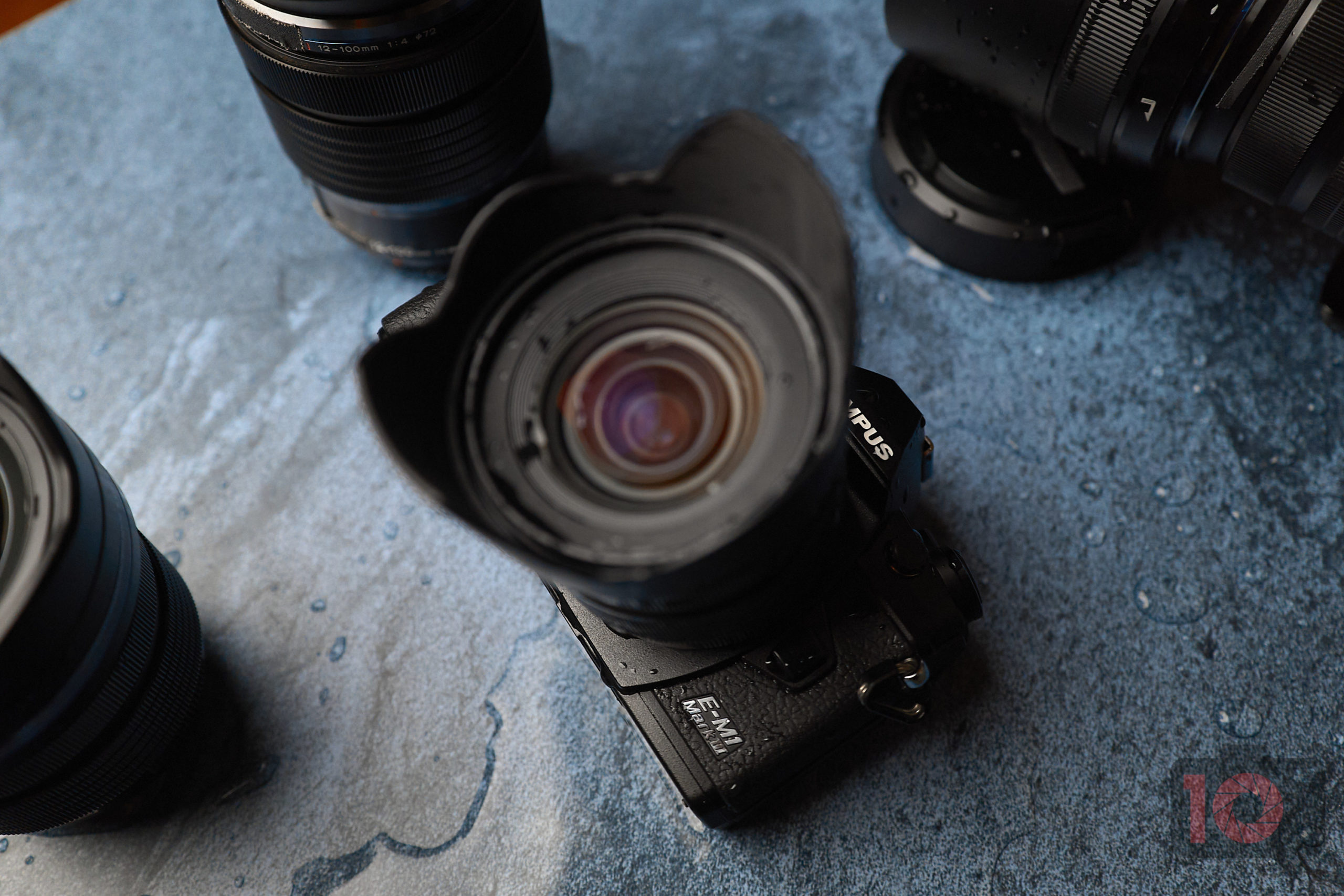
In the evolving world of photography, the introduction of OM System’s latest innovation in infrared photography marks a significant shift for both aspiring and professional photographers alike. Traditionally, infrared photography has captivated artists with its ability to reveal hidden spectrums of light, creating dreamlike images that challenge our perceptions of reality. However, the barrier to entry has often been the high cost associated with sensor replacements and specialized equipment. OM System’s new offering promises to democratize this extraordinary form of art, allowing a broader audience to explore the ethereal beauty that infrared photography can unveil. For those interested in expanding their photographic repertoire, this development is reminiscent of other recent innovations in our community, such as the modular magnetic filter ecosystem introduced by Tilta, which similarly simplifies the creative process for photographers and videographers.
What makes this shift particularly noteworthy is its alignment with the growing trend towards accessibility in artistic expression. As seen with initiatives like Lara Jade‘s Beauty Light Guide, there is an increasing desire among creators to harness new techniques without being stifled by financial constraints. The ability to capture images that reveal the unseen enables photographers not only to push the boundaries of conventional imagery but also to engage their audiences in unexpected ways. The surreal aesthetic of infrared photography invites viewers into an alternative reality, one where nature’s vibrancy is exaggerated and emotions are amplified.
Moreover, OM System’s approach reflects a broader cultural shift towards valuing authentic experiences over mere consumption. In a world saturated with generic content, the opportunity to create something genuinely unique resonates deeply with both creators and consumers. By lowering the financial barrier to entry, OM System enables a diverse range of voices and artistic visions to emerge, enriching the photographic landscape. This democratization of art is essential in fostering creativity and innovation, allowing photographers to experiment with new styles and perspectives without the fear of significant financial loss.
As we look ahead, the implications of this technological advancement extend beyond just the realm of photography. It speaks to a larger narrative about the intersection of technology and artistic expression, where tools become more accessible, and the focus shifts to the artistry itself rather than the means of creation. The question now becomes: how will this newfound accessibility influence the future of photography and storytelling? Will we see a surge of new voices emerging in the infrared space, or will the established aesthetic continue to dominate? As artists and enthusiasts alike dive into this vibrant medium, the potential for unexpected narratives and breathtaking imagery awaits.
In conclusion, OM System’s innovation is not just a technical advancement; it is a catalyst for creative exploration and a celebration of artistic diversity. As the photography community embraces these changes, we anticipate a flourishing of unique perspectives that challenge the status quo and inspire audiences around the globe. The future of photography is bright, and we can only imagine the captivating stories yet to unfold.