Using AI Slop to Sell Cameras Will Never Make Sense to Me
Our take

The recent wave of generative AI imagery being leveraged in marketing campaigns, particularly within the photography industry, continues to spark debate, and the frustration articulated in PetaPixel’s recent piece, "Using AI Slop to Sell Cameras Will Never Make Sense to Me," resonates deeply. It’s a sentiment echoed by professionals across the field, as demonstrated by the Royal Navy Photographers’ decidedly unimpressed reaction to AI’s encroachment, documented in [Royal Navy Photographers Don’t Have a Nice Word to Say About AI]. The core issue isn't necessarily the existence of AI tools themselves – their potential for assisting photographers in specific workflows is undeniable – but rather their superficial and often misleading application in advertising. To employ algorithmically generated images, often lacking the nuance and artistic intentionality of human-captured photographs, to promote camera equipment feels fundamentally disingenuous and ultimately detrimental to the craft. This trend risks devaluing the skill, experience, and creative vision that define professional photography, presenting a distorted and unrealistic portrayal of what these tools are intended to enable. The human element, the discerning eye, the ability to craft a narrative through light and composition—these are the qualities that distinguish exceptional photography, and they cannot be replicated by an algorithm.
The disconnect stems from a misunderstanding of the very essence of photography. It's not simply about capturing an image; it’s about interpreting the world, conveying emotion, and telling a story. This is why initiatives like the 5 Boro Foto Fest, which actively champions human photographers over AI, are so vital. These events serve as a powerful reminder of the artistic merit and cultural significance of photography created by human hands. The reliance on AI-generated content in advertising suggests a prioritization of cost-effectiveness and speed over authenticity and artistic integrity. While efficiency is certainly a desirable goal in marketing, sacrificing the core values of the industry to achieve it feels short-sighted. It’s a gamble that could alienate the very audience these campaigns aim to reach – discerning consumers who appreciate the artistry and craftsmanship inherent in quality photographic equipment and the images it produces. The superficial appeal of AI-generated visuals simply doesn't hold the same weight as the tangible connection fostered by genuine photographic artistry.
The broader implications extend beyond just camera sales. This trend reflects a wider societal shift toward prioritizing convenience and novelty over substance and expertise. In a world saturated with readily available, instantly generated content, the value of authentic, meticulously crafted work is increasingly at risk. The photography industry, traditionally a bastion of artistic expression and technical mastery, is facing a challenge to reaffirm its commitment to these core principles. It’s not about rejecting technological advancements entirely, but about integrating them thoughtfully and ethically, ensuring they enhance rather than diminish the human element. The conversation needs to shift from simply *can* we use AI to generate images for marketing, to *should* we, and what are the potential long-term consequences of doing so? The inherent value of a photograph lies not just in its technical quality, but in the story it tells, the emotion it evokes, and the perspective it offers – qualities that remain stubbornly elusive to even the most sophisticated algorithms.
Ultimately, the question remains: will the photography industry prioritize genuine artistic expression and the expertise of human photographers, or will it succumb to the allure of cheap, algorithmically generated imagery? The choices made in the coming years will shape the future of photography and determine whether it remains a respected art form or simply another commodity in the ever-expanding marketplace of digital content. It’s a critical juncture, demanding a renewed focus on the values that have always defined the art of seeing and capturing the world around us.
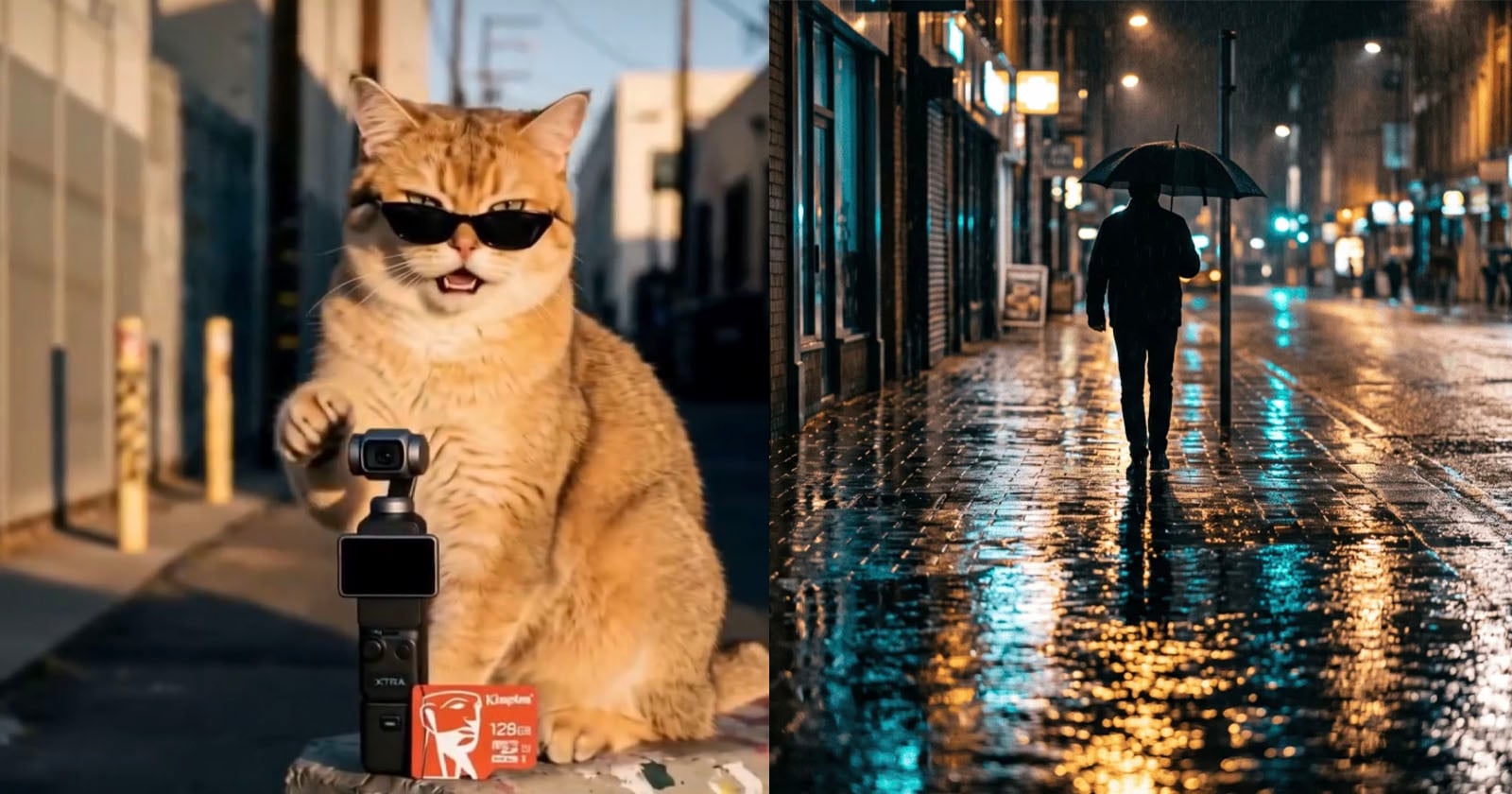
It's Saturday, and instead of enjoying the nice weather, I'm drawn to my computer to write the equivalent of a deep sigh. Two companies decided to publish generative AI slop this weekend designed to sell cameras, and I will never understand it.
Read on the original site
Open the publisher's page for the full experience