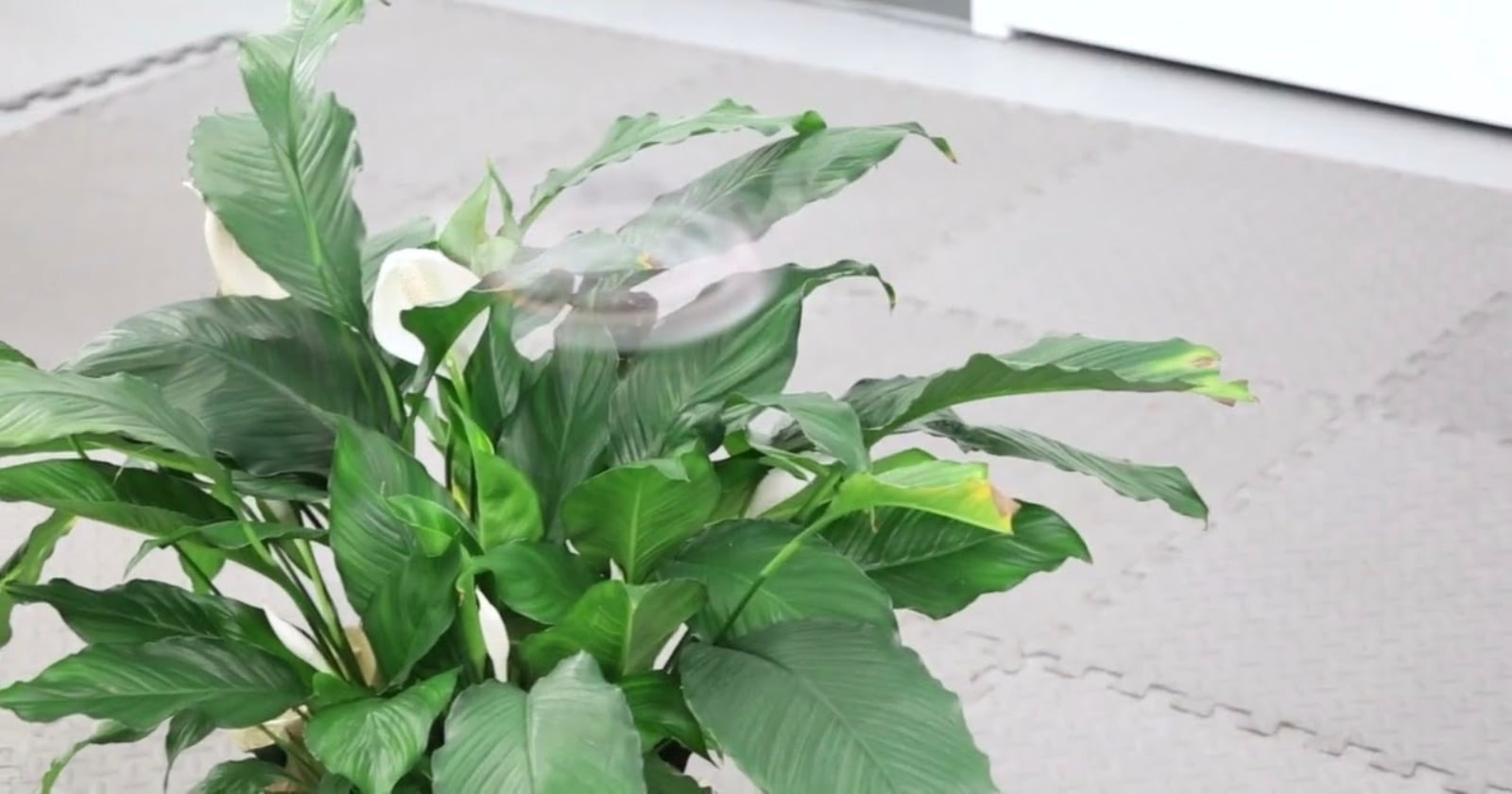
The quiet genius of this "invisible" drone is not in what it hides, but in what it reveals about our own perception. Engineers have sidestepped the heavy-handed approach of traditional camouflage, which struggles against shifting light and varied terrain, and instead leaned into a visual illusion that makes the craft nearly disappear against a static background. It is a trick of perspective, a bit of optical poetry that feels less like a military breakthrough and more like a subtle piece of performance art. This is not about deception in the aggressive sense; it is about understanding how our eyes and brains construct reality, and then working within that framework. For those of us who spend our days chasing light and framing stories, that is a deeply familiar pursuit. We see this impulse echoed in the work of those who capture the world through a lens, whether it is the in-camera color grading celebrated by PolarPro’s Radial Filters or the candid, unposed intimacy of Linda McCartney’s photography. Both rely on the artist's ability to control what is seen and what is left to suggestion.
What makes this drone so compelling is that it forces a conversation about what we are actually looking at, and what we might be missing. The illusion works because it exploits a gap between the object and its context, a seam in our visual field that we usually fill in without thinking. In practical terms, this is a profound reminder for anyone who works with images: the frame is a lie, or at least a carefully edited truth. The story is not just in the subject, but in the negative space, the background hum, the things that fade into the periphery. Consider the accidental discovery of a new plant species by a tourist who simply photographed a flower, as noted in A Wanderer's Lens. That was not a well-planned scientific expedition; it was a moment of seeing something unusual in the ordinary. This drone operates on a similar principle, but in reverse. Instead of finding the hidden detail, it teaches us how easily we can overlook the obvious.
Our take is this: do not mistake this for a novelty or a gadget for the espionage trade. It is a quiet challenge to our own observational habits. For the creative professional, the photographer, the designer, the filmmaker, the lesson is immediate and practical. If a machine can be rendered nearly invisible by exploiting your perceptual shortcuts, how often are you failing to see the actual story unfolding in front of you? The drone is a mirror, and it is not flattering. It asks us to slow down, to question the stability of every scene we think we understand. The takeaway worth quoting is this: *The most effective camouflage is not about matching your surroundings, but about understanding how your audience sees the world.* As we move forward, the real question is not whether we can build more invisible things, but whether we are willing to look long enough to see them.