Vertical Video is Driving This Cameraman Insane
Our take
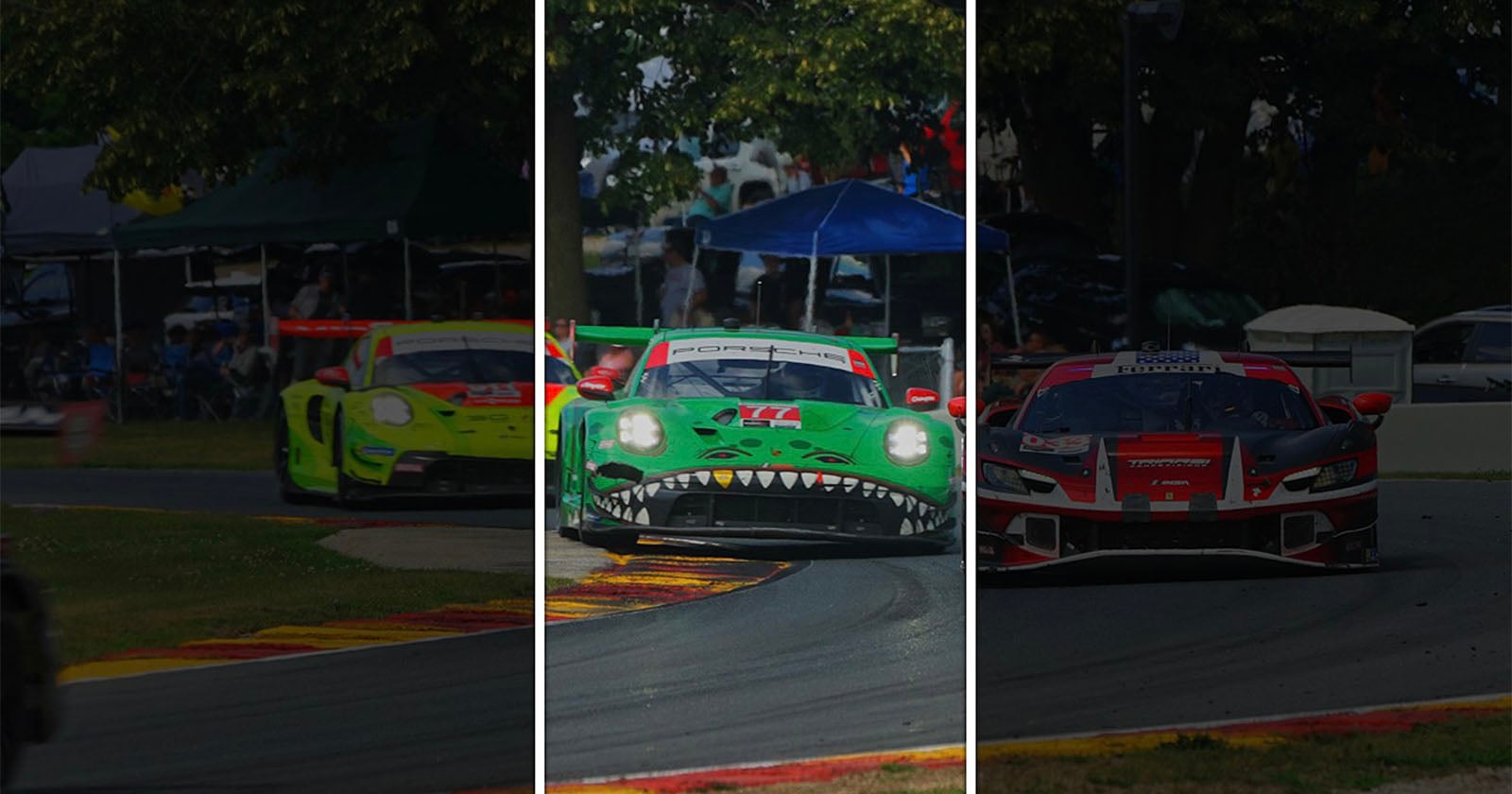
The modern photographer’s relationship with social media is a complex dance, a constant negotiation between artistic vision and algorithmic demands. As highlighted in the recent PetaPixel article, “[Vertical Video is Driving This Cameraman Insane],” this tension is reaching a fever pitch. It's a familiar story: platforms offer unprecedented reach, democratizing access to audiences previously unimaginable, yet simultaneously dictate content creation through ever-shifting preferences. This isn't simply about adapting; it’s about preserving the integrity of the craft while navigating a landscape increasingly dominated by fleeting, mobile-first consumption. The current push toward vertical video, driven by platforms like TikTok and Instagram Reels, presents a particularly acute challenge, forcing creators to reconsider composition, framing, and even the very essence of what constitutes compelling visual storytelling. For those invested in the art of photography, particularly those pursuing more considered, cinematic work, this feels like a concession, a dilution of artistic intent. We’ve seen similar debates around the rise of smartphone photography, and the impact it has on the professional space, as illustrated by photographers seeking feedback on their first digitals [Feedback on my first digitals].
The frustration of the cameraman in the article reflects a deeper unease felt within the creative community. It’s not merely a technological inconvenience; it’s a philosophical one. Photography, at its core, is about capturing a moment, a perspective, a narrative within a defined frame. Vertical video inherently disrupts that frame, prioritizing immediacy and vertical scrolling over deliberate composition and a considered viewpoint. While acknowledging the undeniable power of these platforms to reach vast audiences—a power that allows photographers to showcase their work and build a following—it’s crucial to maintain a critical perspective. The temptation to chase engagement at the expense of artistic quality is a perilous one, potentially leading to a homogenization of visual content. Consider, too, the impact on archival value; will these vertically-framed moments, optimized for fleeting consumption, hold the same significance for future generations as traditionally framed photographs? Photographers seeking to maximize their resources may find appealing deals through promotions like the KEH Overstock Sale [Photographers Can Save an Extra 10% With KEH’s Limited-Time Overstock Sale], allowing them to invest in equipment that can support diverse formats, though this doesn’t necessarily resolve the core creative dilemma.
The broader significance of this shift extends beyond the individual photographer’s workflow. It’s indicative of a larger cultural trend towards increasingly fragmented attention spans and a preference for easily digestible content. The algorithm rewards brevity and novelty, often at the expense of depth and nuance. This has implications for how stories are told, how art is experienced, and ultimately, how we perceive the world around us. The rise of vertical video isn't just a technical development; it’s a symptom of a broader cultural transformation, one that demands a thoughtful and considered response from creatives. While embracing new technologies and platforms is essential for survival in the digital age, it’s equally important to safeguard the values that underpin the art of photography: intention, composition, and the pursuit of a compelling visual narrative.
Looking ahead, it’s likely that we’ll continue to see a push for mobile-first content formats across all social media platforms. The challenge for photographers will be to find ways to adapt and innovate without sacrificing their artistic integrity. Perhaps this means exploring hybrid approaches, creating content that can be effectively presented in both vertical and horizontal formats, or utilizing vertical video as a springboard for more immersive and interactive storytelling experiences. The question remains: how can photographers harness the power of these platforms while remaining true to their craft and resisting the pressure to conform to fleeting algorithmic trends? The future of visual storytelling may well depend on it.
Social media: it's been a gift and a curse for photographers; a gift in that it provides an incredible platform to be seen by millions of people, and a curse in that the algorithm dictates what is posted.
Read on the original site
Open the publisher's page for the full experience