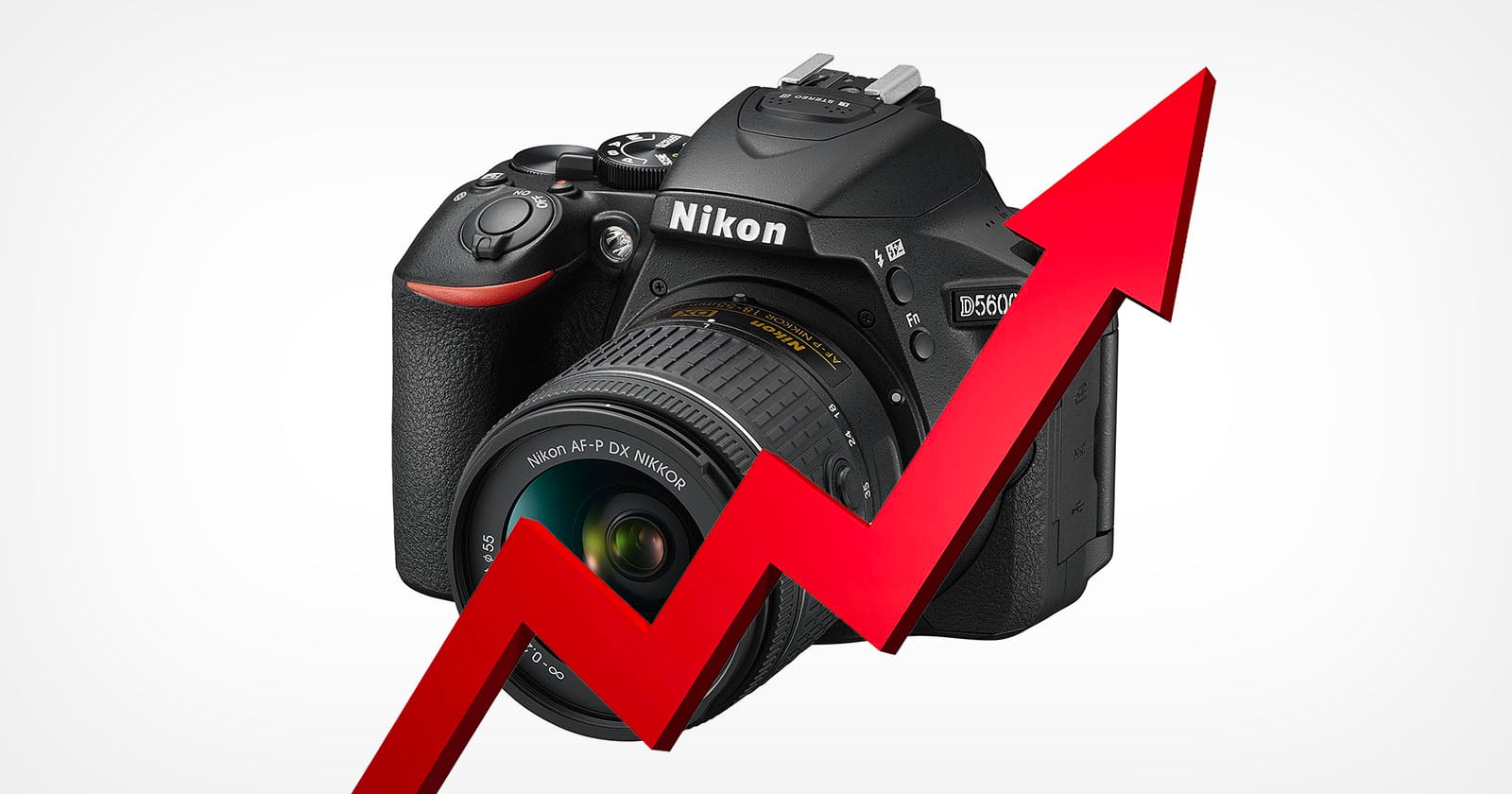
The used camera market has quietly rewritten its own rules, and the old adage that gear only depreciates now feels like a relic from a simpler time. We're watching specific digital models sell for more than their original retail price, not because of scarcity in a catastrophic sense, but because the cultural value assigned to certain sensors, color profiles, and tactile experiences has outpaced their technical specs. This isn't a quirk of the market; it's a signal about what we truly treasure. While the industry pushes toward computational perfection and higher resolution, a growing crowd is paying a premium for the character of yesterday's files, treating these cameras less like tools and more like collectible art.
This phenomenon connects directly to the creative tensions we've been tracking, particularly in how intellectual property and brand loyalty shape what we can actually use. The recent legal scuffle over lens mounts, where A Creative Court Win Cracks the Door to Canon's Closed Lens Mount, is a reminder that the hardware we choose is often a commitment to an ecosystem. When a used body appreciates in value, it's often because it represents a gateway to a specific set of lenses that new systems may have left behind. Meanwhile, the emotional pull of capturing light with a particular tool echoes the same drive we see in Capturing Cosmic Beauty: An Astrophotography Journey with Nikon, where the journey matters as much as the technical outcome. The camera is no longer just a device; it's a character in your creative story, and that narrative has a tangible price.
So, what should you actually do with this information? First, stop thinking of your current gear as a depreciating asset that you should trade in as quickly as possible. If you own a model that has developed a cult following, hold onto it, but also be realistic about the hype. The market is currently rewarding specific aesthetics and handling quirks, not just age. If you're looking to buy, don't chase the trending camera because you saw it on a mood board. Instead, research which models have a distinctive rendering that truly fits your personal style, and be prepared to pay a premium for that authenticity. The financial risk is real, but so is the creative reward of using a tool that inspires you every time you lift it to your eye.
Our take is simple: this isn't a bubble about to burst, but a re-evaluation of value. We'd tell a reader who asks that the smart move is to ignore the "newer is better" mantra and instead ask what look you're trying to achieve. If a particular sensor's highlight rolloff makes your heart skip a beat, that is worth more than a few extra megapixels. The concrete point to watch? The next time a manufacturer announces a "classic" firmware update or a special edition, pay attention to how the used prices for the original models react. That will tell you if this is a lasting shift in how we value the photographic process, or just a momentary infatuation with a familiar face. As always, the best gear is the one that makes you want to shoot, and if that means spending a little more on a camera with a soul, that might just be the most practical investment you can make.