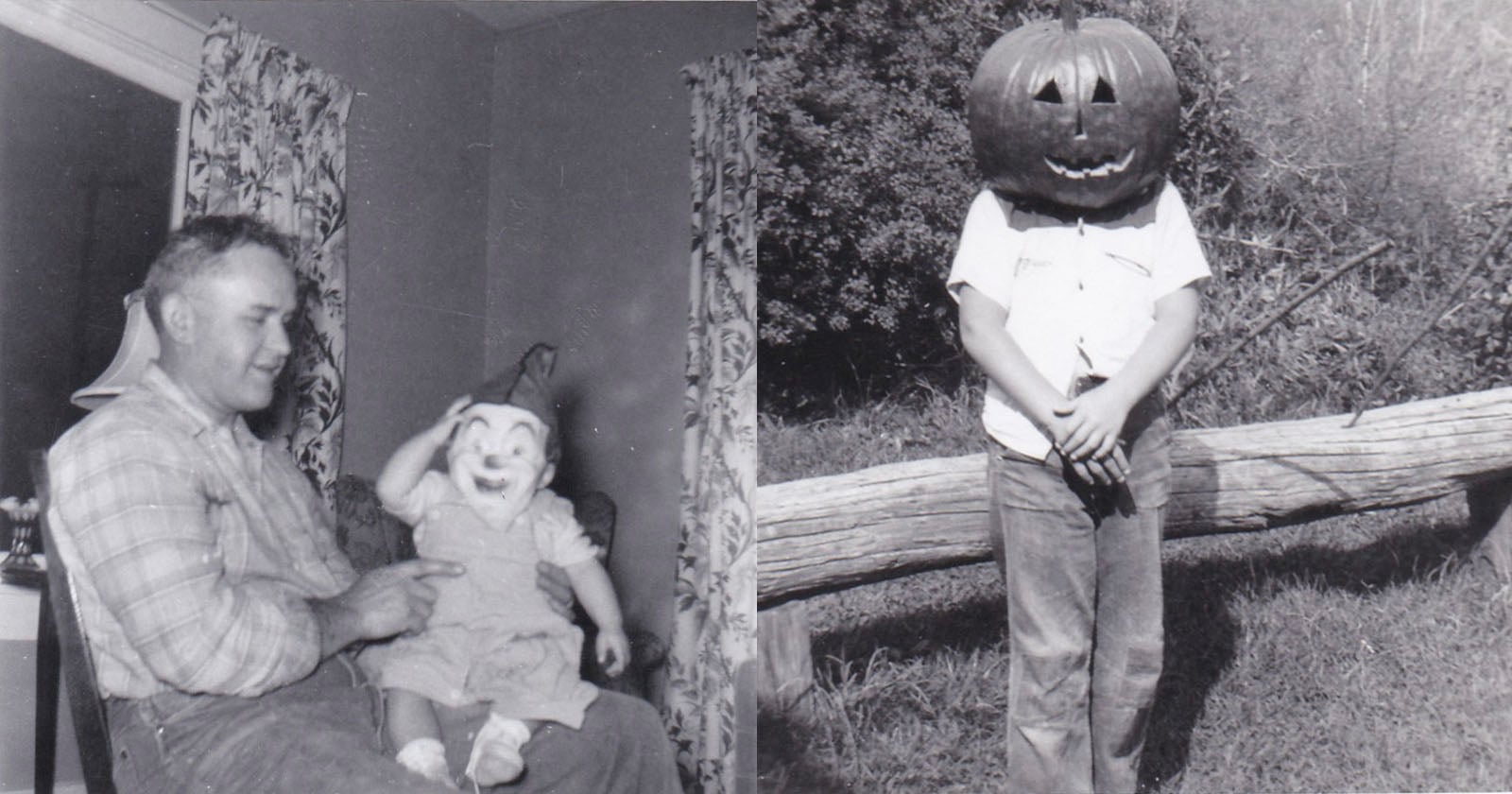
There is something profoundly artistic in these vintage Halloween portraits, and we mean that as a genuine compliment rather than a dismissive nod to kitsch. The mid-century photographs of children in costumes, ghosts with crooked sheets, witches with smudged face paint, clowns that feel a little too knowing, capture a haunting charm that modern, polished holiday imagery simply cannot replicate. Our take is clear: these images are not curiosities to scroll past; they are a masterclass in authentic, unfiltered storytelling, and they remind us that the most compelling visuals often come from imperfection.
For readers who appreciate the intersection of art and everyday life, these portraits offer a visceral lesson. The grain, the shadows, the slightly off-center framing, they all contribute to an immersive atmosphere that feels both intimate and unsettling. It is the same kind of raw, unmanufactured energy that makes a lens like The $368 Lens That Captures Leica's Soul Without the Price Tag so appealing to creatives who value soul over specs. These Halloween photos were likely taken with whatever camera was at hand, by a parent or a local photographer, and that simplicity is precisely what gives them their staying power. They do not try to sell you a holiday; they document a moment, complete with its unease. In a world where every costume party is now a curated Instagram grid, there is something refreshingly honest about a child grimacing behind a rubber mask while the flash catches the dust motes in the air.
What strikes us most is the duality at play. These images are meant to be nostalgic, yet they stir something darker, a recognition that childhood is not always sweet, and that dressing up can be a strange, almost primal act. It is a reminder that beauty and discomfort often coexist, a theme that runs through Rediscovering the unseen faces behind a movement's defining images, where the overlooked subjects of a photographer's frame tell a more complex story than the intended focus ever could. Here, the children are both the subject and the accident: their awkward poses, the costume that is a little too big, the forced smile that betrays a genuine fear of the dark. That tension is what makes the work feel alive rather than staged.
The practical takeaway for our audience is this: when you next set out to capture a moment, whether in fashion, fitness, or a lifestyle editorial, resist the urge to over-polish. Allow the grain, the odd expression, the slightly crooked frame. These Halloween portraits prove that the most memorable images are not the ones that look perfect, but the ones that feel true. They haunt us because they refuse to look away from the imperfect, and that is a creative principle worth carrying into every season.