VSCO Clarifies Photographers’ Pay for ‘The Fifty’ Billboard Project
Our take
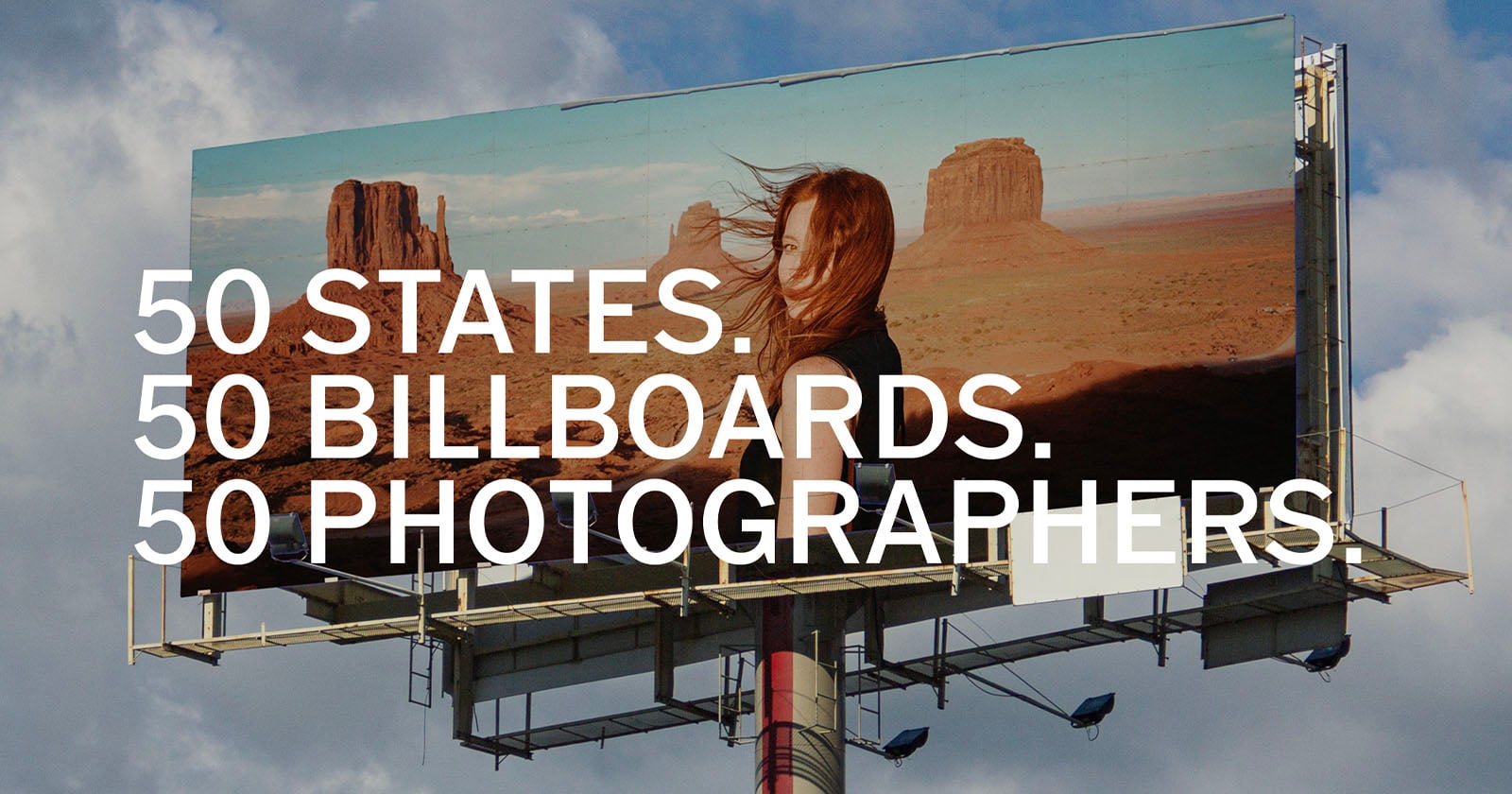
VSCO's "The Fifty" project, initially unveiled with a wave of excitement, has sparked a crucial conversation about artist compensation and usage rights within the digital photography landscape. The concept – showcasing the work of 50 photographers across 50 billboards in every U.S. state – is undeniably ambitious and visually striking. However, the initial lack of clarity regarding photographer compensation immediately raised concerns within the creative community. This clarification, as reported by PetaPixel VSCO Clarifies Photographers’ Pay for ‘The Fifty’ Billboard Project, underscores a growing tension: the desire for accessible platforms and broad exposure versus the fundamental need for fair compensation for creative labor. It's a tension that echoes across various creative fields, from music streaming to stock photography, and VSCO’s handling of this situation sets a precedent that others will undoubtedly observe. The initial ambiguity highlighted a potential vulnerability for platforms seeking to leverage user-generated content or the work of independent artists – a vulnerability that demands a more transparent and equitable approach. Consider, for instance, the ongoing debates surrounding AI art generation and copyright, which further complicate the landscape of creative ownership.
The revised terms, offering a $500 stipend and usage rights for the billboard campaign and VSCO’s platforms, represent a step in the right direction, though the adequacy of this compensation remains a point of contention. While $500 might seem negligible to some, it’s a tangible acknowledgement of the photographer's contribution, particularly for emerging artists who rely on exposure and portfolio building. However, the limited scope of usage – primarily confined to the billboard campaign and VSCO’s channels – restricts the photographer’s control over their work and potentially limits future commercial opportunities. This raises a broader question about the value placed on photographic work in the digital age. The rise of social media has, in many ways, devalued imagery, with countless photographs shared freely online, often without attribution or compensation. VSCO, with its focus on curated aesthetics and a community of passionate photographers, has historically positioned itself as an alternative to this devaluation. Yet, “The Fifty” project, in its initial iteration, threatened to reinforce the very pattern it sought to challenge. Exploring similar issues, our recent piece on The Future of Photography Licensing delves deeper into the evolving models for monetizing visual content.
Beyond the immediate financial implications, the controversy surrounding "The Fifty" highlights the importance of clear and upfront contracts, especially when dealing with platforms that leverage creative content. Photographers, like all artists, deserve to understand precisely how their work will be used, for how long, and under what terms. The initial lack of transparency eroded trust and fueled skepticism within the creative community, underscoring the need for proactive communication and a commitment to ethical practices. While VSCO has addressed the immediate concerns, the incident serves as a valuable lesson for other platforms seeking to collaborate with artists. The long-term impact will likely involve a greater emphasis on standardized contracts, clearer usage rights agreements, and a more nuanced understanding of the value of creative work in the digital ecosystem. This is particularly relevant as we see a blurring of lines between commercial and personal photography, driven by the ubiquity of smartphones and social media.
Looking ahead, the key question becomes: will this experience prompt a broader re-evaluation of artist compensation models across the creative industries? Will platforms prioritize transparency and equitable partnerships, or will they continue to rely on ambiguous terms and limited compensation? The success of initiatives like "The Fifty" hinges not only on the visual impact of the project but also on the perceived fairness and respect afforded to the artists involved. As the conversation around creator rights continues to evolve, it will be fascinating to observe how platforms adapt their practices and how artists advocate for their value in an increasingly digital world. Will we see a shift towards more sustainable and equitable models, or will the pressure for rapid growth and widespread exposure continue to overshadow the fundamental need for fair compensation?
Earlier this week, VSCO announced "The Fifty," a coast-to-coast project that would put a different photographer's photo on 50 billboards in every U.S. state. Today, it clarified some questions regarding pay and legality.
Read on the original site
Open the publisher's page for the full experience