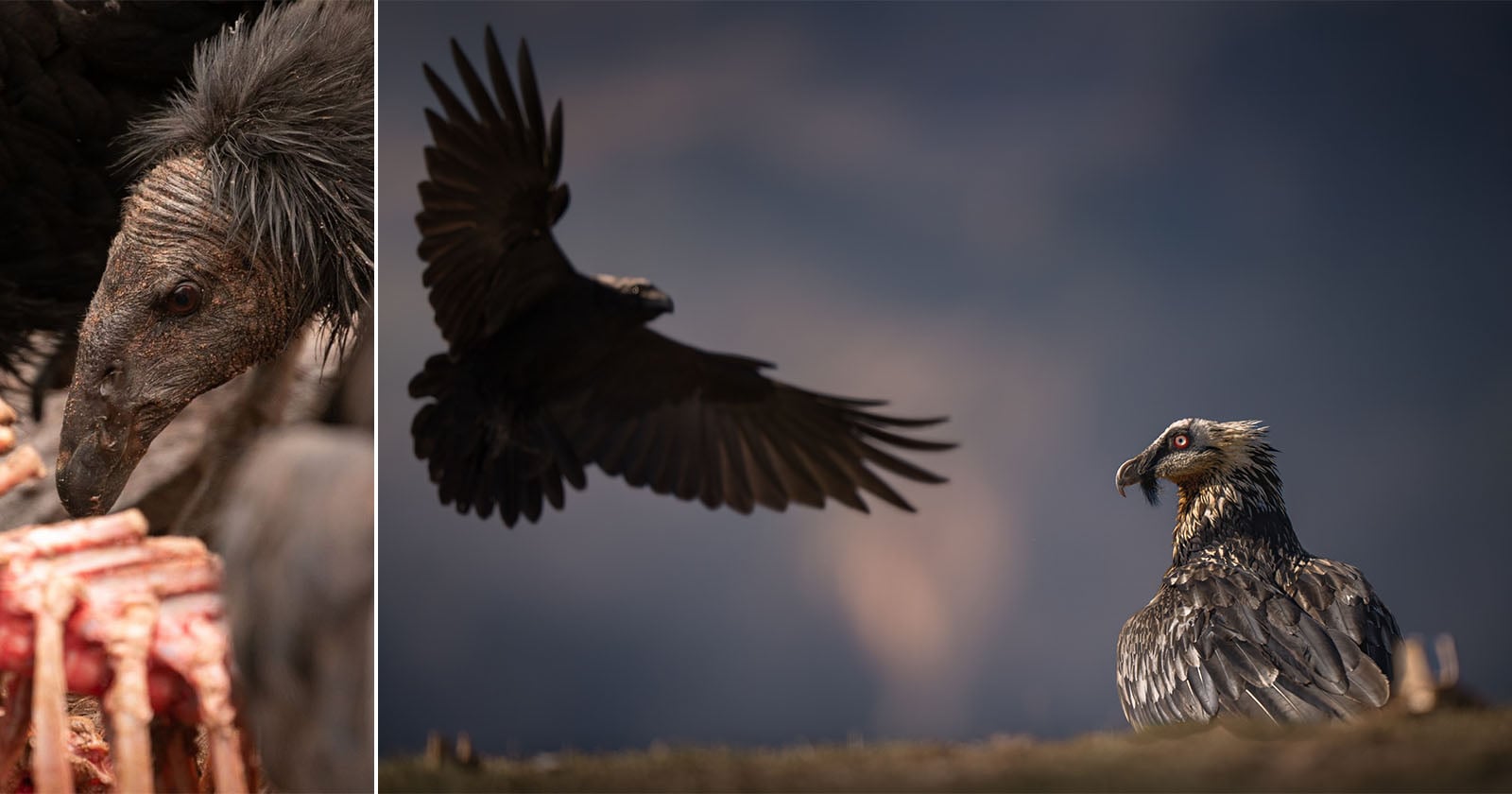
There is a particular poetry in the way International Vulture Awareness Day (IVAD) has chosen to celebrate these birds. Rather than leaning on the grim statistics of conservation or the usual pleas for donations, the organization has turned to photography, specifically a contest that captures vultures interacting with each other and their habitats. It is a smart, artistic pivot. In a world where our attention is perpetually pulled toward the curated and the beautiful, IVAD is asking us to see the elegance in the ecosystem's most misunderstood janitors. We are invited to look closer, not to look away.
This approach resonates deeply with us here, because it mirrors something we see across the visual mediums we cover. We often celebrate the photographer who finds joy on the streets, Finding Joy on the Streets, One Frame After Fashion, and there is a similar ethos at play here. It is about finding the extraordinary within the everyday, even when that everyday involves a bird with a bald head and a diet of carrion. But there is also a starkness to this subject that feels particularly relevant. We are not so long removed from the sobering reality of A Quiet Count: South Africa's Cheetah Population Reveals a Stark Reality, a story that used data to paint a picture of fragility. IVAD's photo contest uses a different tool, but the goal is the same: to make people care about a species before it is too late. What is more effective, a spreadsheet or a stunning portrait? We would argue that the image has the power to linger in a way that numbers often cannot.
Our take is that this is more than just a feel-good art project. It is a masterclass in reframing a narrative. The vulture is not a glamorous creature, but through the lens, it becomes a subject of immense dignity and importance. For our readers, many of whom are creative types or lifestyle enthusiasts, this serves as a powerful reminder of the role that aesthetic can play in activism. The practical takeaway here is simple: if you want to change a mind, you must first capture a heart. A photograph of a vulture in its element, interacting with its environment, does more to build empathy than a hundred lectures ever could. It is the difference between telling someone a fact and letting them feel a truth.
As we scroll past these award-winning images, we should consider the intentionality behind the composition. This is not about anthropomorphizing the birds or making them cute. It is about showing them as they are, integral and alive. The question we are left with is not whether these photos are stunning, because they certainly are. The question is whether we, the audience, are willing to let our perception be shifted. We would tell a reader who asks about this to look at these images and ask themselves why they feel a sense of distance, and then to consider how that distance is bridged by a single, well-crafted frame. That is the real power on display, and it is a power we should all be paying closer attention to.