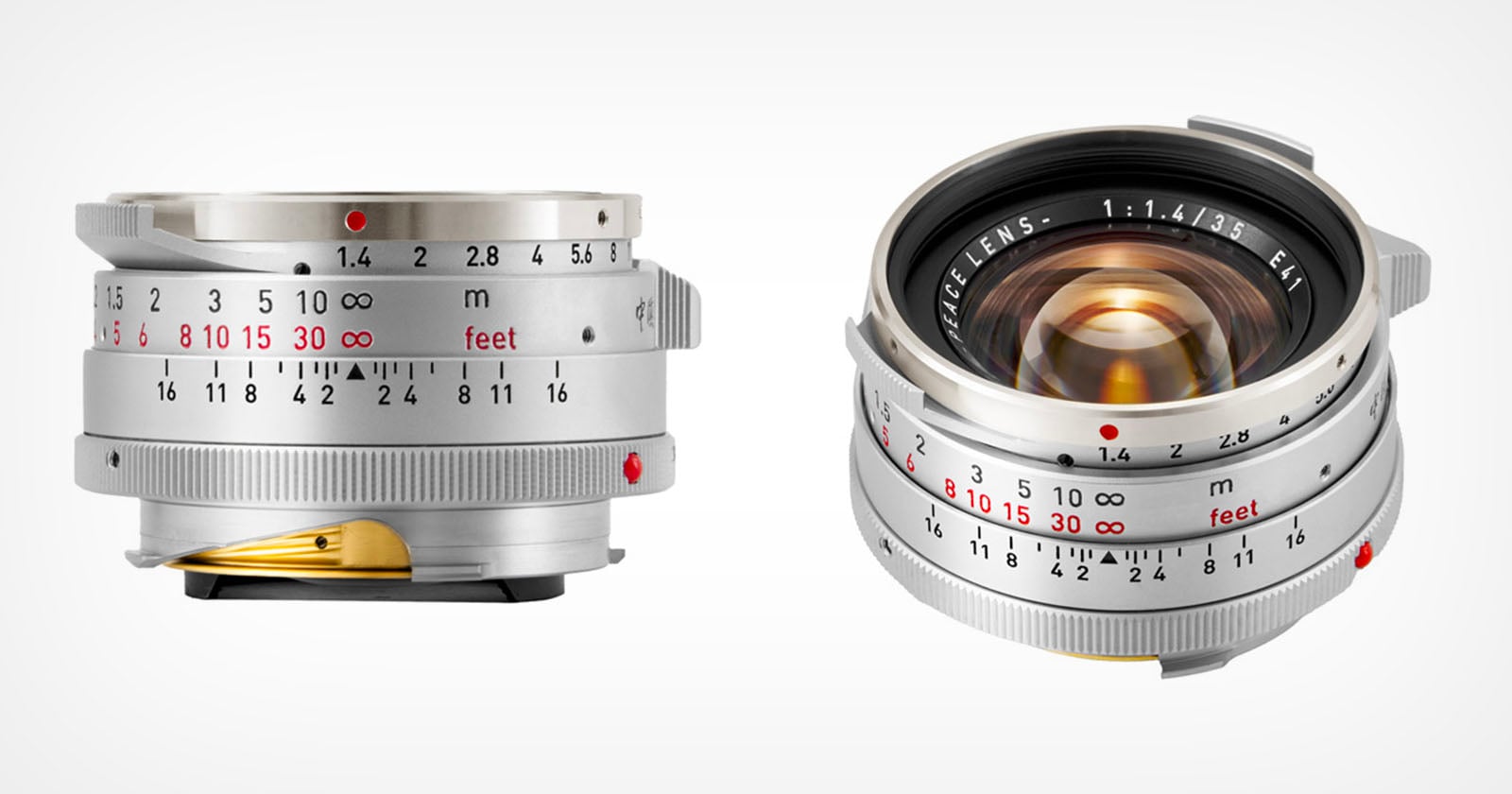
The photographic landscape continues to be shaped by a fascinating interplay of heritage and innovation, and the recent emergence of the Wahei Optical 'Peace' 35mm f/1.4 lens, sold through Shoten Kobo, exemplifies this beautifully. It’s yet another entry in a growing market of lenses clearly inspired by the iconic Leica designs, a trend that speaks volumes about the enduring appeal of classic optical aesthetics and the desire for a more deliberate, tactile shooting experience. This isn’t simply about replicating a lens; it’s about tapping into a legacy of quality and craftsmanship. The rise of these alternatives also reflects a broader sentiment we’ve explored previously, namely a desire to move beyond the relentless pursuit of megapixels and AI-driven autofocus, embracing instead the character and artistic potential of older systems. Consider, for example, the enduring appeal of photographers who, like those discussed in [The Unapologetic Soul: Why I Keep Returning to the 14-Year-Old Leica M9 Monochrom], find themselves drawn to the unique qualities of older technology. This lens, and others like it, cater to that same yearning for something more than just technical specifications.
The ‘Leica-inspired’ designation is deliberate, and the visual cues – the silver finish, the engraved markings – are unmistakable. While direct copies are legally problematic, the spirit of the Leica 35mm f/1.4 is undeniably present. This market segment thrives on delivering a similar feel and image quality at a significantly lower price point, appealing to photographers who appreciate the Leica aesthetic but aren’t necessarily willing to invest in the premium price tag. The fact that Shoten Kobo, a respected Japanese photo retailer, is offering this lens signals a growing demand for these alternative optics. Furthermore, the conversation around photography’s place in a video-dominated social media landscape, as highlighted in [The Advice You Won’t Get on Reddit as a Photographer], adds another layer of context. Photographers are increasingly seeking ways to distinguish their work, and the unique look and feel of lenses like the Wahei Optical 'Peace' can be a valuable tool in achieving that. The rise of ILCs functioning as compact cameras, as demonstrated in [The 3 Best ILCs Acting as Compact Cameras (Part 2)], also showcases a broader desire for a more streamlined, less technologically overwhelming photographic experience – a desire that these lenses certainly cater to.
The significance of this development extends beyond just another lens release. It demonstrates a sustained interest in manual focus lenses and the M-mount system, which allows for compatibility with a wide range of classic and modern cameras. This isn't about abandoning modern technology entirely; it’s about selectively incorporating it alongside tools that offer a different kind of creative control. The ‘Peace’ lens, with its classic design and bright f/1.4 aperture, promises a pleasing bokeh and a certain visual character that’s difficult to replicate with modern, multi-coated lenses. The engraving mimicking the “Leitz Lens” markings on vintage Leica lenses is a particularly clever touch, adding to the overall aesthetic and appealing to those who appreciate photographic history. It’s a testament to the power of design and the enduring allure of a specific visual language.
Looking ahead, it will be fascinating to observe how this market continues to evolve. Will we see more manufacturers entering the space with their own Leica-inspired lenses? Will the demand for manual focus optics continue to grow as photographers seek to differentiate their work? Or will the appeal of these lenses remain a niche pursuit for those deeply invested in the history and artistry of photography? The Wahei Optical 'Peace' lens is a compelling piece of the puzzle, representing a current trend towards authenticity and intentionality in a world of increasingly automated and homogenized photographic experiences. The question remains: how far will this embrace of the classic photographic experience extend, and what new creative possibilities will it unlock?