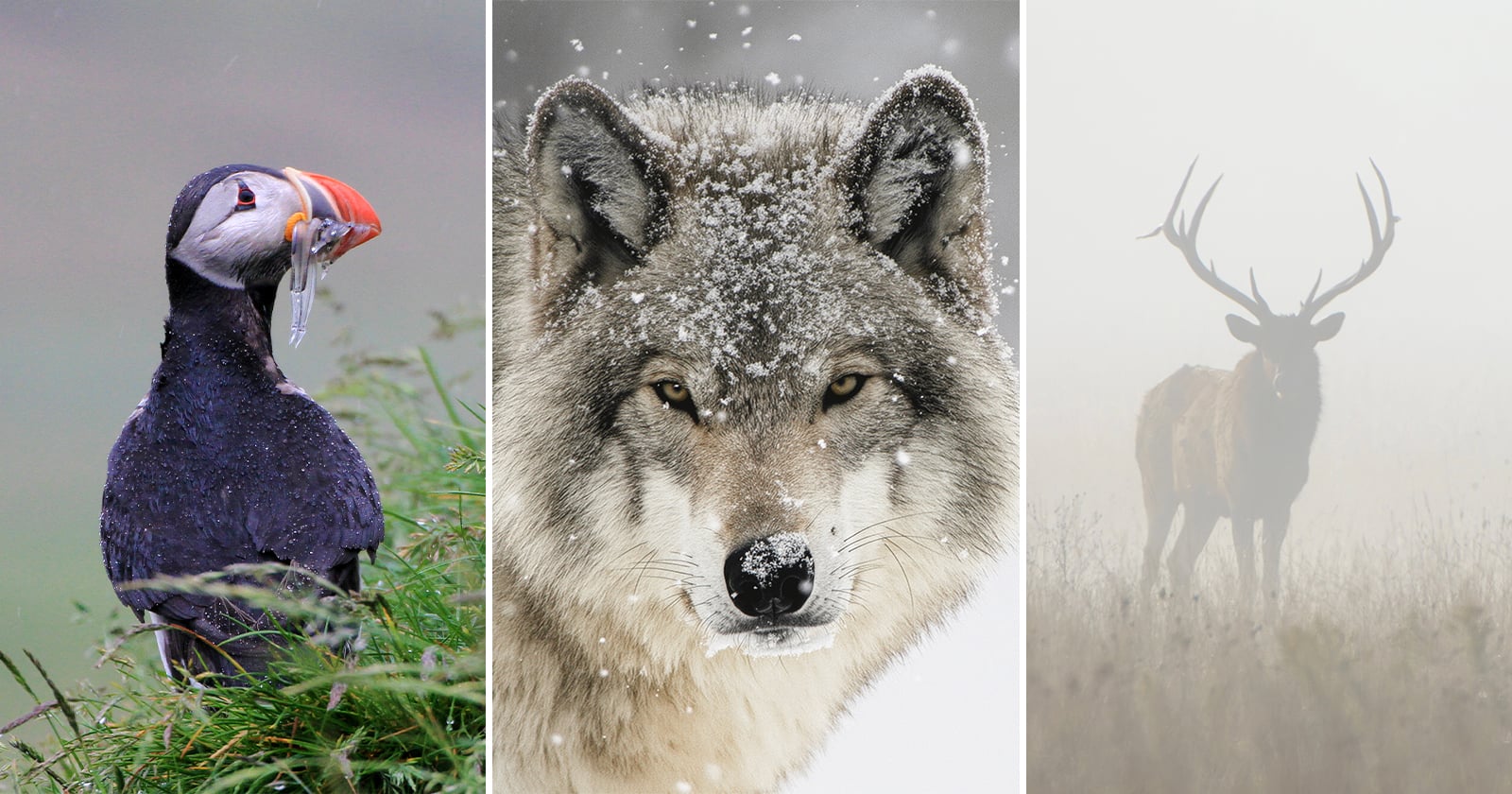
There's a particular kind of honesty that only arrives with bad weather. When the sky turns the color of old pewter and the wind starts to bite, most of us instinctively look for shelter. But for the wildlife photographer, that's precisely when the frame comes alive. The article on two decades of shooting in snow, mud, and storms makes a quiet but powerful case: comfort is the enemy of memorable images. We're not talking about recklessness. We're talking about showing up when the light is flat, the ground is slick, and the animals are too preoccupied with survival to pose.
This resonates with something we've been circling in our own coverage. On the streets, the same principle applies, as we explored in Finding Joy on the Streets, One Frame After Fashion. You don't wait for perfect conditions; you learn to read the chaos. The photographer's willingness to stand in the sleet mirrors the street shooter's patience with harsh noon shadows or a sudden downpour. And then there's the archival impulse. When we look back at our own gear, like the enduring appeal of the Olympus E-M5 in The Curated Archive: Revisiting the Olympus E-M5, the Original Icon, we're reminded that some tools age gracefully because they were built to be used, not coddled. The same goes for the photographer's spirit.
The practical takeaway here is almost too simple to say out loud, yet it bears repeating: stop waiting for the good light. The good light is a myth we tell ourselves to avoid discomfort. The real reward comes from the image that required you to stand in the storm, shivering, waiting for the animal to glance your way. That's when the photograph stops being a postcard and starts being a story. For our readers, especially those who feel stuck in a creative rut, this is the nudge to put the camera down on the sunny days and pick it up when the forecast turns ugly. It's not about suffering for your art; it's about recognizing that the weather is a collaborator, not an obstacle.
What would we tell a friend who asked if it's worth the misery? We'd say this: the misery is the point. The image you capture on a harsh day will always carry more weight than the one taken from a comfortable vantage point. It's the difference between documenting a scene and bearing witness to it. So the next time you see a storm rolling in, consider it an invitation. The puffin with fish in its beak, the wolf's fur dusted with snow, these aren't lucky accidents. They're the result of someone who decided that a little discomfort was a fair price for a frame that feels real. Watch for the moment when your own patience thins, because that's often when the shot finally appears. It's a lesson in persistence that applies far beyond the lens, and it's one we'd do well to carry into every creative pursuit.