Wedding Photographer Accuses Second Shooter of Goofing Off and Causing a Scene
Our take
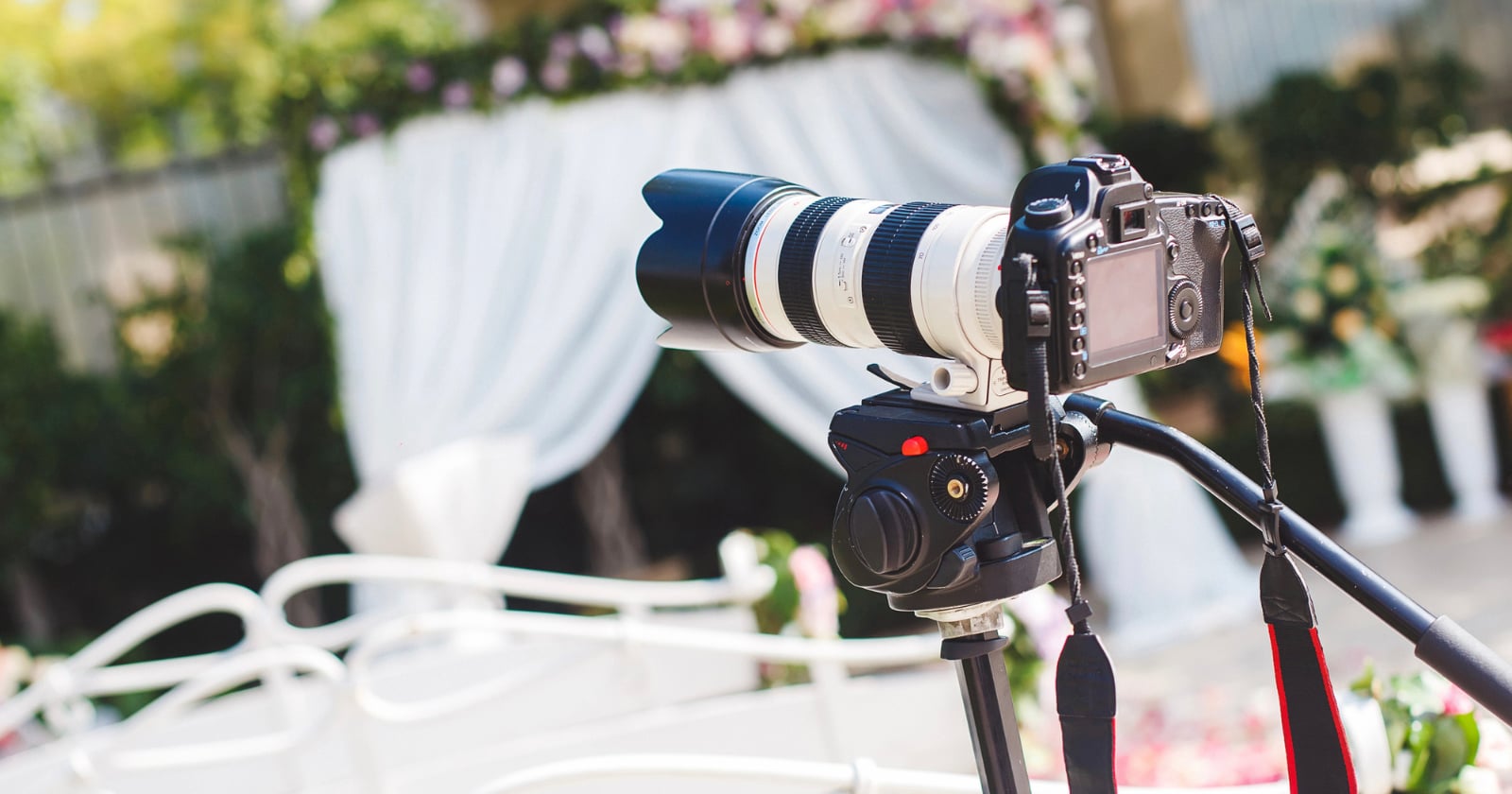
The recent online fracas between a wedding photographer and her hired second shooter, erupting in a viral Facebook post, highlights a growing tension within the creative industry: the delicate balance between artistic vision, professional responsibility, and the evolving nature of collaborative work. While disagreements are inevitable in any team setting, the public airing of grievances, particularly within a field so reliant on trust and reputation, carries significant weight. This situation isn't merely about one photographer's frustration; it reflects broader anxieties surrounding the gig economy, the expectations placed on freelance creatives, and the increasing pressure to deliver flawless results in an intensely documented age. The incident feels particularly poignant given the recent emergence of technologies aiming to simplify complex photographic tasks, like the [Former DJI Engineers Raise $250,000 for ‘World’s First Robotic Extreme Zoom Camera]— a development suggesting a potential shift towards automated assistance, perhaps reducing reliance on human second shooters in some contexts. We’ve also seen the importance of curation and editing reflected in our own offerings, as demonstrated by [Our Presets are a Slam Dunk for Street Photographers!]— proving that the human touch remains essential even as tools evolve.
The core of the issue appears to be a clash of professional standards. The photographer’s accusations – of goofs off, causing a scene, and generally undermining the event – are serious. While the second shooter’s perspective remains largely unrepresented in the widely circulated post, the potential damage to their reputation is undeniable. This kind of public shaming, even if perceived as justified, sets a troubling precedent. The wedding photography industry, like many creative fields, operates on a foundation of referrals and word-of-mouth. A single, inflammatory post can obliterate a career. Furthermore, the reliance on second shooters, often younger or less experienced photographers, creates a power dynamic ripe for exploitation. Are these individuals adequately vetted? Are contracts clear regarding expectations and consequences for unprofessional behavior? It’s a question many photographers, particularly those rapidly expanding their businesses, should be seriously considering. The ingenuity of the community is also apparent, as evidenced by projects like [This 90 Year Old Zeiss Camera Shoots Instax Using Legos]— showcasing the dedication to creative problem-solving that underpins the industry.
The virality of the post underscores the performative aspect of modern work, particularly in creative fields. Social media has transformed professional interactions into public spectacles, amplifying both successes and failures. This constant scrutiny can be paralyzing, leading to increased stress and anxiety among freelancers. It also incentivizes dramatic narratives, potentially distorting the reality of what transpired. It’s tempting to dismiss this as a simple case of a disgruntled client, but the widespread engagement suggests a deeper resonance. Many within the photography community likely feel a sense of recognition – the fear of a colleague’s misstep impacting their own reputation, the frustration of managing expectations in a high-pressure environment, and the vulnerability of relying on others to execute their vision flawlessly. The situation begs the question: how can we foster a culture of constructive feedback and professional accountability within the creative industries, particularly in the age of instant online judgment?
Ultimately, this incident serves as a cautionary tale. It highlights the importance of clear contracts, thorough vetting processes, and open communication when collaborating with freelancers. More crucially, it underscores the need for a more nuanced and compassionate approach to resolving professional disputes. Public shaming rarely leads to productive outcomes and often exacerbates the underlying issues. The industry needs to cultivate spaces for private mediation and constructive dialogue, prioritizing professional growth over fleeting moments of online validation. As technology continues to reshape the landscape of photography, and potentially reduce the need for human assistance, will the industry learn to prioritize ethical collaboration and sustainable working practices, or will these incidents become increasingly commonplace, further eroding trust and hindering the creative process?
An unholy row has broken out in a viral Facebook post after a wedding photographer accused the second shooter she hired of serious unprofessionalism.
Read on the original site
Open the publisher's page for the full experience