What Happens When You Put a Sandwich Bag Over a Lens?
Our take
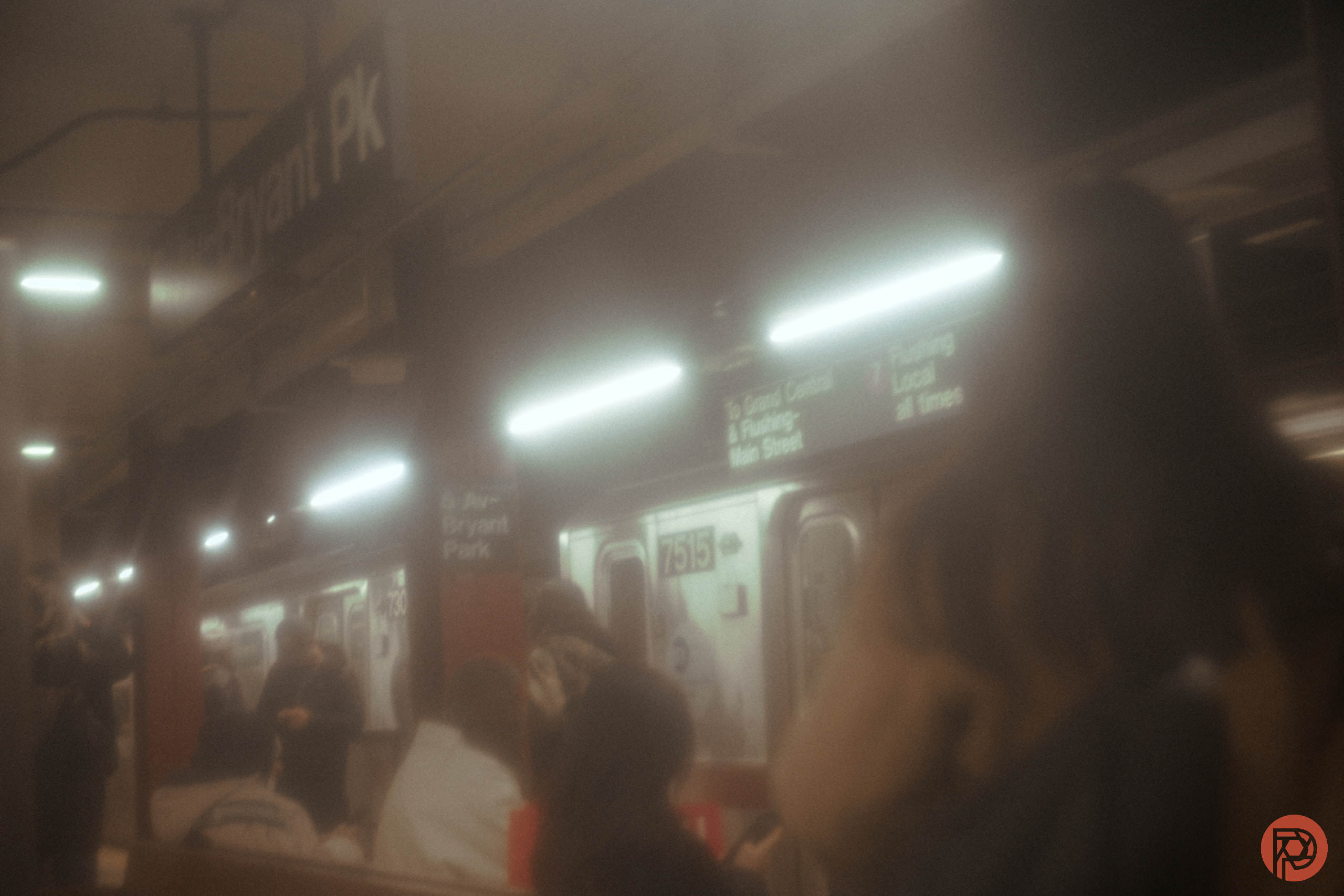
The current photographic landscape is dominated by a relentless pursuit of perfection, a hyper-clarity fueled by brand marketing and increasingly sophisticated AI. It’s a world where images are meticulously crafted, filtered, and enhanced to achieve an often-unattainable ideal. In this context, the recent wave of images created by simply placing a sandwich bag over a lens, as explored in The 3 Best Used Cameras for Kids Under $500 – a testament to the accessibility of photography – feels refreshingly subversive. This isn’t about technological prowess or masterful composition; it's a deliberate embrace of imperfection, a visual echo of the human experience, particularly as articulated by the artist's personal experience with kerataconus. The intentional distortion serves as a potent reminder that beauty doesn't reside in flawless resolution, but in the unique and often unexpected perspectives we bring to the world. It’s a counter-narrative to the digital polish that pervades so much of our visual consumption, and it's a powerful statement about the value of imperfection.
The artist's technique, while seemingly rudimentary, taps into a long history of photographers experimenting with unconventional methods to achieve desired aesthetic effects. The use of sheer materials like tights over lenses isn’t new; however, the deliberate embrace of the mundane – a sandwich bag – elevates the concept. It’s a democratization of photographic manipulation, accessible to anyone with a camera and a plastic bag. Consider the practical advice shared in How to Light and Shoot Product Videos (In Your Dining Room), where resourcefulness and ingenuity are key to achieving professional-looking results with limited tools. This sandwich bag phenomenon operates on a similar principle – a creative solution born from resourcefulness, rather than technological investment. What's particularly striking is the timing; it arrives at a point where AI image generation threatens to homogenize visual aesthetics, making the human touch even more valuable. It offers a raw, unedited quality that is increasingly rare and, arguably, more compelling.
Beyond the purely aesthetic implications, this trend speaks to a broader cultural shift. We’re seeing a growing appreciation for authenticity and vulnerability in all forms of creative expression. The carefully curated online personas that once reigned supreme are giving way to a desire for more genuine and relatable content. This is reflected in photography, where the pressure to produce technically perfect images is slowly being replaced by a celebration of imperfections—grain, blur, and now, the distorted vision created by a simple plastic barrier. The street photography community, as highlighted in Why the Ricoh GR II is so Good for Street Photography Even Today, has long valued capturing fleeting moments with minimal intervention. The sandwich bag approach takes this ethos to an extreme, prioritizing the unique perspective over technical precision. It's a visual rejection of the “perfect” image, and an endorsement of the imperfect, human gaze.
Ultimately, the “sandwich bag lens” phenomenon raises a compelling question: As AI increasingly blurs the lines between human and machine-generated imagery, what will become of the value of the distinctly human perspective? Will we continue to seek out the imperfections, the biases, the unique distortions that define our individual ways of seeing? Or will we succumb to the allure of flawless, algorithmically-generated perfection? The answer, perhaps, lies in embracing the chaos, the unexpected, and the beautifully imperfect moments that make up the human experience – even if it requires looking at the world through a plastic sandwich bag.
Read on the original site
Open the publisher's page for the full experience