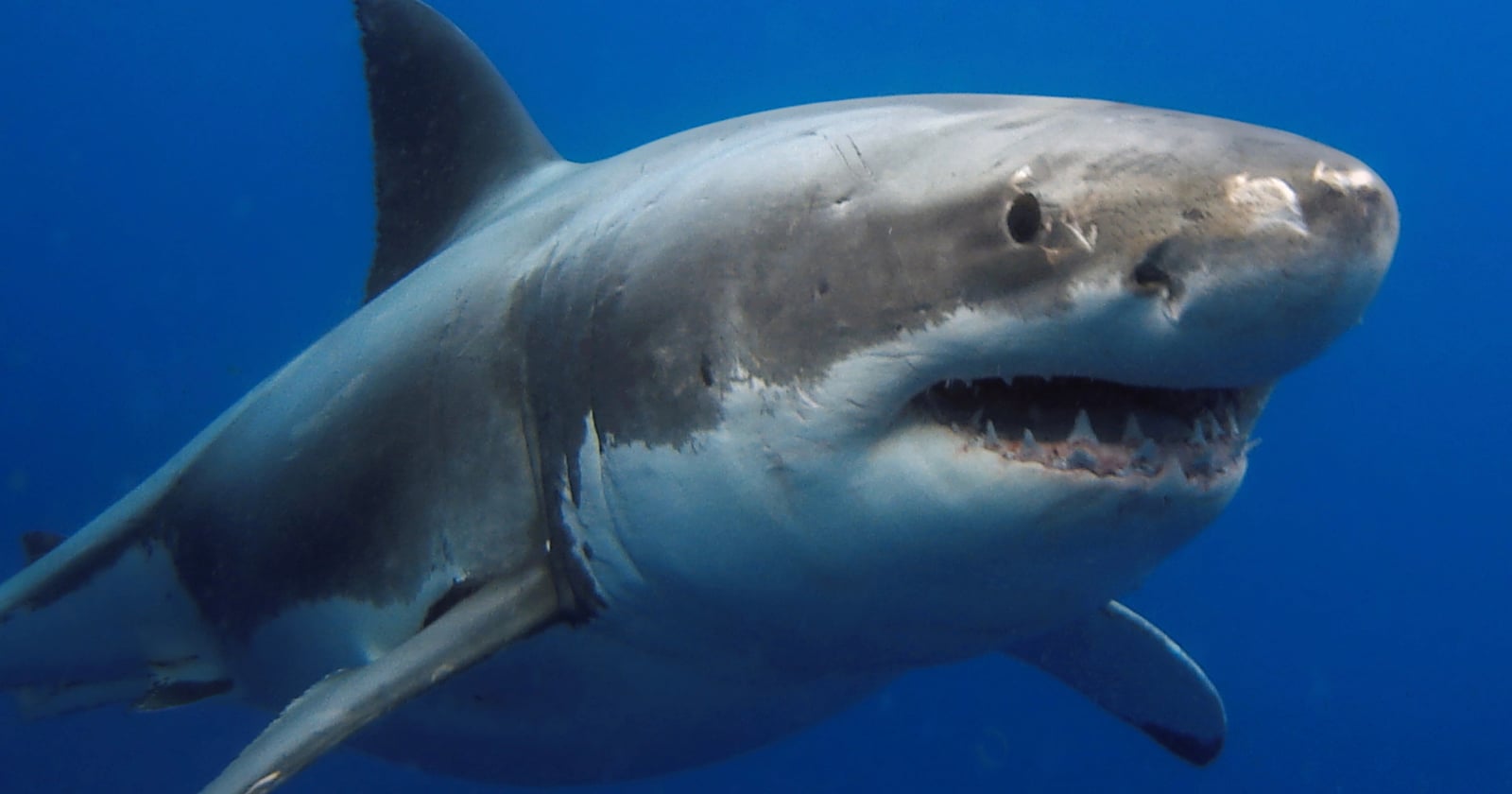
A great white shark is not a trophy. It is not a prop for a social media grid, and it is certainly not content. When a U.S. judge ordered an influencer to delete his photos and cease posting videos of himself posing with a great white he caught, the ruling delivered more than a legal consequence, it offered a long-overdue recalibration of what we celebrate. This moment feels especially resonant alongside the quiet, century-late recognition of A century in the shadows, a visionary photographer finally gets her due. Both stories wrestle with visibility: one artist finally stepping into the light she deserved, another individual learning that not every spotlight is earned, and some pursuits should remain in the shadows for the sake of the wild.
For our readers, those who move between a morning yoga flow and a gallery opening, who curate their homes with the same intention they bring to their bodies, this ruling is a practical guidepost. It draws a clear line between engagement and exploitation. The influencer's instinct to capture and share is not inherently wrong; photography and storytelling are among the most immersive ways we connect with the natural world. David Attenborough, at 100 years old, understands this better than almost anyone. His return to narrate At 100, Attenborough Returns to Dive into Blue Planet's Depths reminds us that the camera can be a tool for reverence, not vanity. The difference is intention. Attenborough films to protect; the influencer posed to perform. One approach deepens our collective wonder; the other diminishes a species to a backdrop.
The practical takeaway here is blunt: conservation is not a costume. A great white shark is a protected species for a reason, its population is vulnerable, its ecological role irreplaceable. When an influencer treats an encounter as a photo op, he signals that the image matters more than the animal's well-being and the law designed to shield it. This is where our voice, grounded in authenticity and aspiration, must speak clearly. There is nothing aspirational about posing with a creature you have harmed. True style and sophistication respect boundaries, ecological, legal, and ethical. A curated life does not stop at the edges of a frame; it includes what we choose not to photograph.
Watch for the ripple effect this ruling may create. It sets a precedent that digital platforms are not exempt from conservation law. For creative professionals and wellness seekers who build their identity around nature, the question becomes: how do we share the ocean without owning it? The answer lies in the restraint of the artist, not the reflex of the influencer. Let this be the moment we trade the trophy shot for the quieter, more radical act of simply letting the shark swim away.