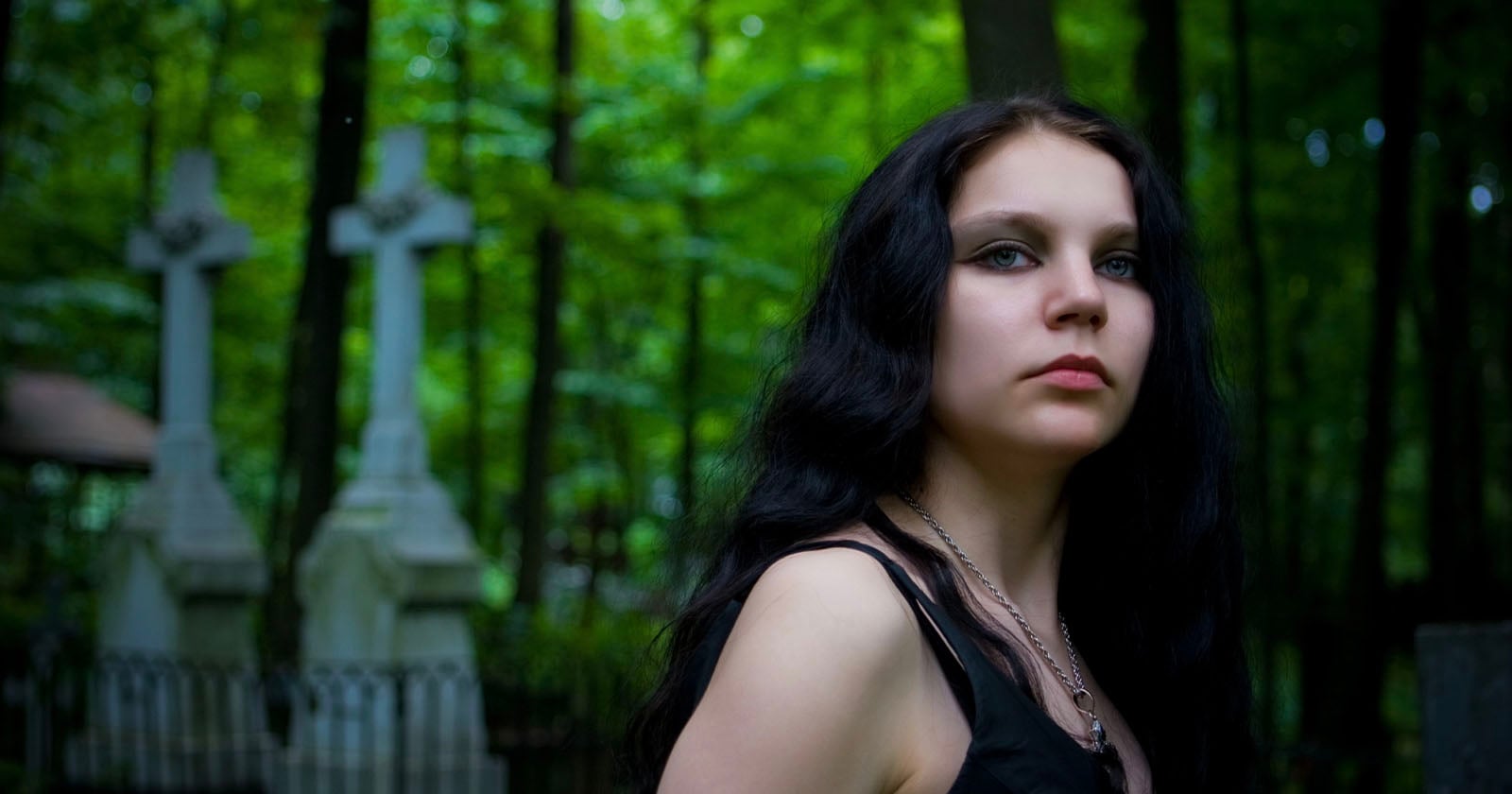
There is a difference between art that disturbs and art that desecrates, and the recent photo shoot at a Denver cemetery crossed that line in a way that should trouble anyone who values authenticity. When a creative team splattered fake blood on a family's mausoleum and left the mess for the cemetery staff to clean up, they did not make a statement, they made a mess, and they made it on someone else's sacred ground. This is not the kind of boundary-pushing we should celebrate. It is the kind that forgets that real people, real grief, and real history exist beyond the frame.
We often champion artistic exploration in this space, from the tender reimagining of a life cut short in A Life Unlived: Remembering Emmett Till Through Imagined Photography to the playful spontaneity of Rom-Com Stranger Sessions Seek NYC Men for Curated Artistic Dates. Those projects succeed because they respect their subjects, they collaborate, they consent, and they consider the weight of the spaces they occupy. The Denver shoot did none of that. It treated a cemetery as a prop, a mausoleum as a canvas, and a grieving family's property as a disposable backdrop. That is not elevated; it is entitled.
For our readers, creatives who value both form and function, who seek beauty without exploitation, this story offers a clear takeaway: intention without awareness is just negligence. A concept that looks striking on a mood board can feel hollow or harmful when it ignores the human cost of the execution. The most curated images in the world are worthless if they leave real people cleaning up the residue. We have seen this tension before in our coverage of ambitious shoots, and the pattern is consistent: the projects that resonate are the ones where the artist asks permission, not forgiveness.
What should stay with you is not the image of fake blood on granite, but the image of cemetery workers scrubbing it off while the shooters packed up and left. That is the final frame of this story, and it is the one worth remembering. The next time you plan a shoot, ask yourself: would you be proud to show the people who maintain this space exactly what you did? If the answer is no, the concept is not ready for the camera.