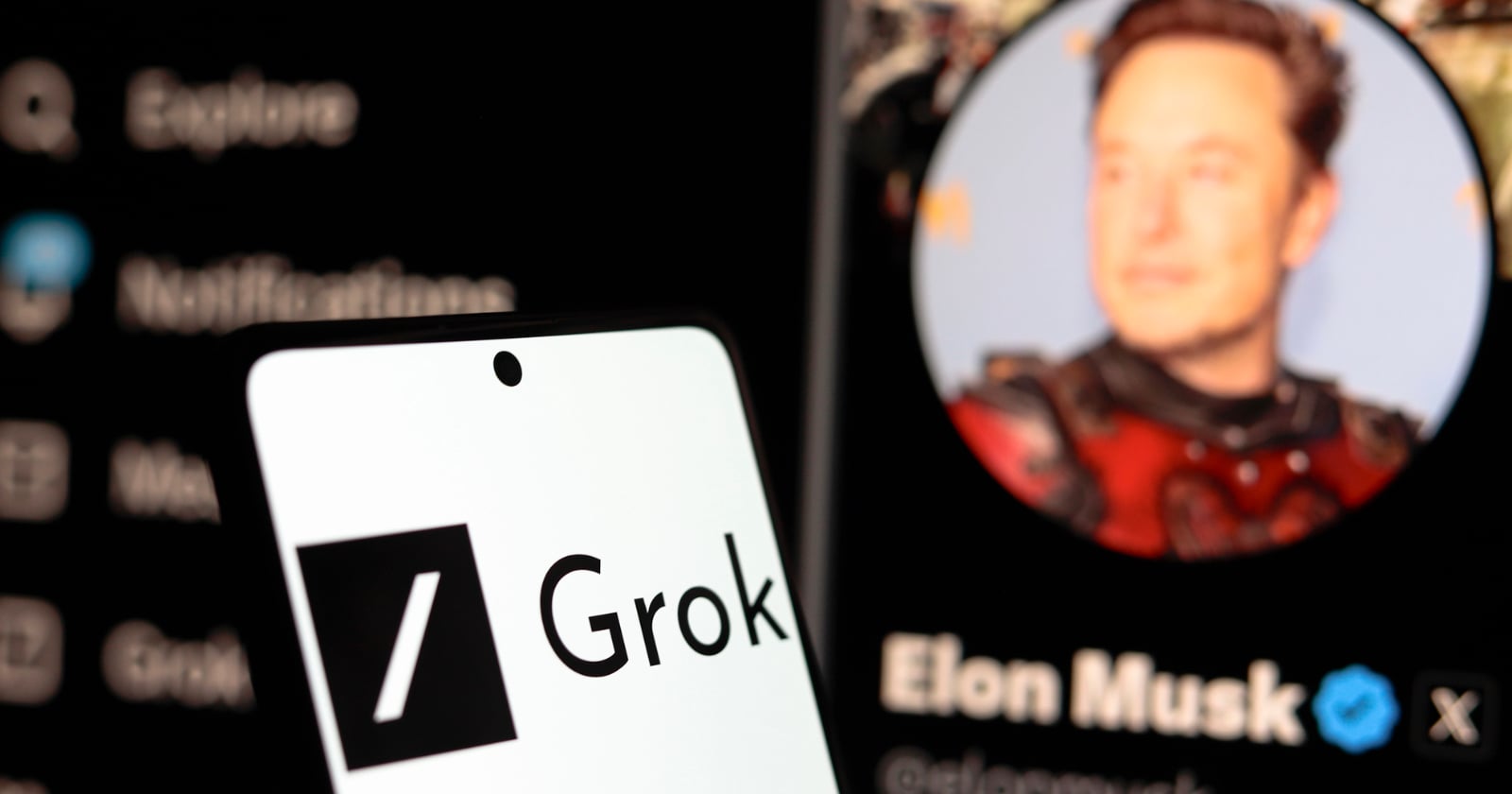
Technology does not invent new human cruelty; it accelerates what we already allow ourselves to look away from. When xAI, Elon Musk's company, successfully blocked Minnesota's landmark ban on AI nudification apps, tools designed to strip and expose people, overwhelmingly women, without their consent, they did not merely win a legal argument. They bought the right to keep a machine spinning gold from someone else's violation. This is not a debate about censorship. It is a debate about whether we are willing, as a culture, to treat digital intimacy as something that must be earned rather than extracted.
Consider what these apps actually do. They take a photograph of a clothed person, a selfie, a school portrait, a candid shot, and algorithmically generate a nude version. The subject never posed, never consented, never even knew the image existed until a stranger decided to use it. Minnesota's law sought to ban these tools outright, recognizing that the harm is not hypothetical. Victims have reported blackmail, harassment, and reputational destruction. And yet, the court sided with xAI's argument that the ban likely violates free speech principles. The logic, stripped of its legal elegance, is that code is expression, and expression, even when weaponized, is protected. This is where art meets a very cold algorithm.
The collision here is not only legal but deeply personal. For the creative and health-conscious audience this publication speaks to, the discomfort should feel immediate. We celebrate photography as a vessel for beauty and authenticity, a curated frame that captures a moment of truth. But what happens when the frame becomes a weapon? When Thrills Turn Unsettling a Mother Takes Legal Action Over a Ride Photo shows us a mother suing Universal Orlando after a ride photo allegedly captured her nine-year-old son unconscious. The core question is the same: who owns the image of someone else, and what gives another person the right to reinterpret it without permission? Meanwhile, Haaland's Image, Airline's Edits: A Lawsuit Over Style reminds us that even celebrities must fight for control over how their likeness is altered. Each of these stories underscores a world where the line between curated expression and exploitation is drawn by court rulings, not by ethics.
The practical takeaway for anyone who values artistry and autonomy is this: Minnesota's ban is blocked, but the fight is not over. The legal door is now open for similar challenges across the country, meaning that for now, the apps remain available, and the victims remain largely unprotected. Watch how other states respond. More critically, watch how platforms handle the distribution of these images. If algorithm is art, then art must bear the weight of its consequences. The specific detail we are watching is whether Congress will step in with federal legislation that closes the loophole the court just pried open.