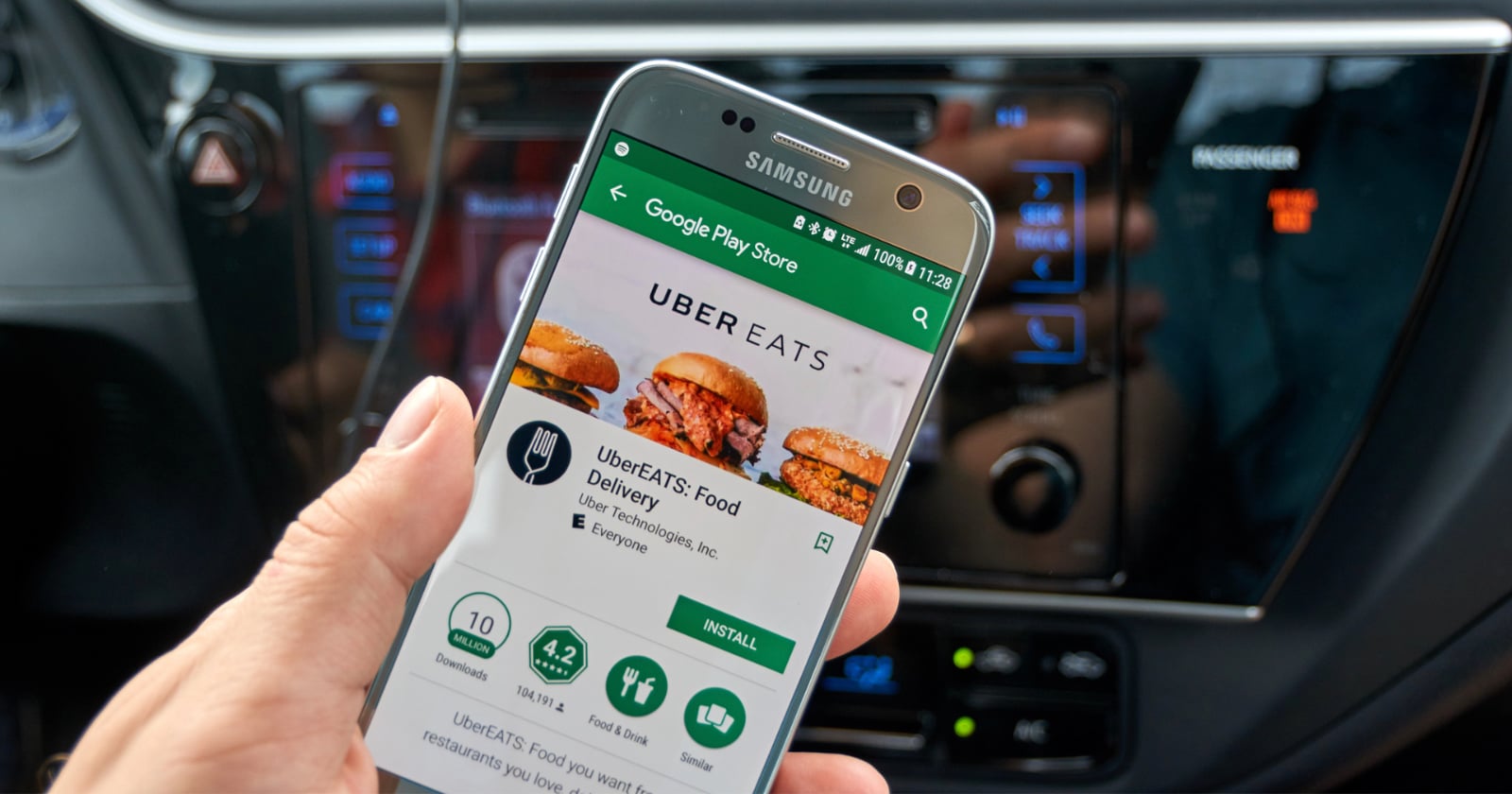
When art meets appetite, the line between inspiration and exploitation blurs fast. The recent green light for a group of food photographers to proceed with a copyright infringement lawsuit against Uber Eats is not a minor legal footnote, it is a necessary reckoning. For too long, the visual work that makes a platform feel aspirational has been treated as fungible content, something to be scraped and served without consent. This ruling says otherwise, and for anyone who values the craft behind the image, that matters.
Consider what is at stake here. The same care that goes into styling a dish for a Michelin-starred kitchen goes into lighting and composing a photograph of that dish. It is an art form, as deliberate as any other. Yet platforms like Uber Eats have built their entire visual identity, the curated, mouthwatering scroll that makes you reach for your phone, on the backs of creators who were never asked, let alone compensated. This lawsuit challenges that assumption head-on. It forces a conversation about how we value creative labor in a world that increasingly demands visual richness without wanting to pay for it. For photographers, especially those working in the food and lifestyle space, this is a moment to watch closely. The outcome could set a precedent for how platforms handle commissioned and non-commissioned work alike, reshaping the relationship between creators and the tech giants who depend on their output.
This story lands in a context that makes its stakes even sharper. Around the same time this lawsuit moves forward, Ricoh Brings Its First GR Space to the States, signaling a commitment to the kind of hands-on, tactile photography culture that stands in direct opposition to the mass content harvesting at issue here. A dedicated space for the GR system is not just about selling cameras, it is about honoring the practice of seeing and making, the very thing that copyright law is supposed to protect. Meanwhile, The Nikon D800 Still Earns Its Place in 2026 reminds us that great tools age well, but only because the people behind them bring the vision. A camera body is just metal and glass; the photograph is an act of authorship. If platforms like Uber Eats want to trade on that authorship, they should pay for the privilege.
The practical takeaway for our readers is this: if you create images for a living, or if you commission them, now is the time to audit your rights. This lawsuit is a signal that courts are willing to look at how images travel after they leave your camera. The question that remains open is whether Uber Eats will settle quietly or fight, and whether other platforms will adjust their practices before they are dragged into court. Watch for the discovery phase. What internal conversations about image sourcing were had? That is the detail that will tell us whether this was negligence or policy.