When Color Photography Just Sucks
Our take
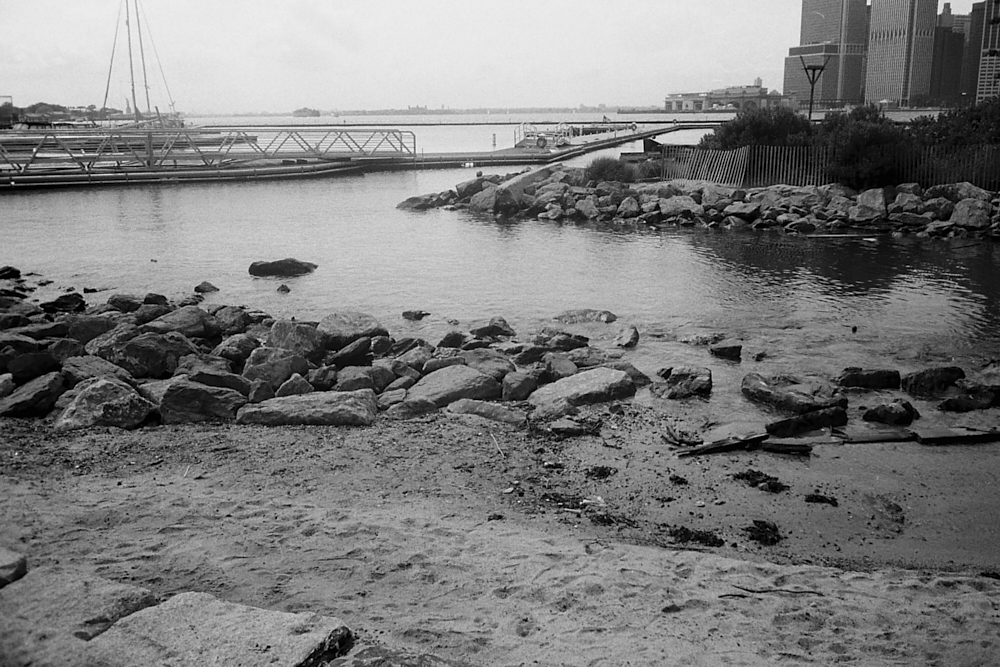
The reflexive embrace of black and white photography as a quick fix for flawed color images speaks to a deeper, and arguably concerning, trend within the photographic community. It’s a sentiment echoed by many beginners, and even some more experienced photographers, who find themselves reaching for the desaturation slider when faced with a color palette they can’t quite master. As the article rightly points out, it’s an easy solution – a digital alchemy that can transform a visually jarring image into something seemingly more aesthetically pleasing. However, this reliance on monochrome as a crutch risks bypassing the crucial skill-building process of understanding and manipulating color itself. We’ve seen similar shifts in perspective regarding equipment; for example, exploring the nuances of existing gear can be just as rewarding, if not more so, than chasing the latest model, as highlighted in Discovering and Using the Unique Features of OM System Cameras. Mastering the fundamentals of color theory, understanding how light interacts with different hues, and learning to utilize post-processing tools to enhance, rather than mask, color imperfections – these are the hallmarks of a truly skilled photographer.
The current landscape of photographic tools and trends contributes to this phenomenon. The sheer volume of readily available filters and presets, often marketed as effortless solutions, encourages a culture of instant gratification. It's far easier to apply a pre-defined black and white filter than to meticulously adjust curves, levels, and individual color channels to achieve a nuanced and deliberate monochrome conversion. This is exacerbated by the recent wave of somewhat perplexing product launches—a situation accurately described as This Is All So Weird and, Frankly, Stupid. The focus often shifts to the newest gadget or software update, rather than on honing fundamental skills. Furthermore, the market is saturated with "Leica-inspired" lenses, like the new Wahei Optical 'Peace' 35mm f/1.4 There’s Yet Another Leica-Inspired 35mm Lens on the Market, highlighting a desire for a certain aesthetic, often associated with classic black and white photography, that can be superficially replicated without a deeper understanding of the underlying principles.
The appeal of black and white is undeniable – it possesses a timeless quality and a power to convey emotion and mood that color sometimes struggles to achieve. The absence of color can simplify compositions, emphasize textures and forms, and create a sense of drama. However, its power shouldn't be mistaken for a shortcut to good photography. Black and white is a deliberate artistic choice, a skillful reduction of complexity, not a default setting for images that fail to resonate in color. The best black and white photographers aren't those who simply convert color images; they are those who envision the final image in monochrome from the moment they compose the shot, carefully considering the interplay of light and shadow. They understand how to use contrast and tonal range to create impactful and compelling images.
Ultimately, this trend highlights a broader conversation about the pursuit of artistic mastery in a rapidly evolving technological landscape. While technological advancements offer incredible tools and opportunities, they shouldn’t overshadow the importance of fundamental skills and artistic vision. The ease with which we can now manipulate images risks diluting the value of genuine photographic expertise. As technology continues to advance and the barriers to entry in photography lower, will we see a renewed emphasis on foundational skills and a deeper appreciation for the artistry of color, or will the allure of the quick fix continue to dominate? The answer likely lies in fostering a community that values thoughtful exploration and deliberate artistic choices over the pursuit of effortless results.
Read on the original site
Open the publisher's page for the full experience