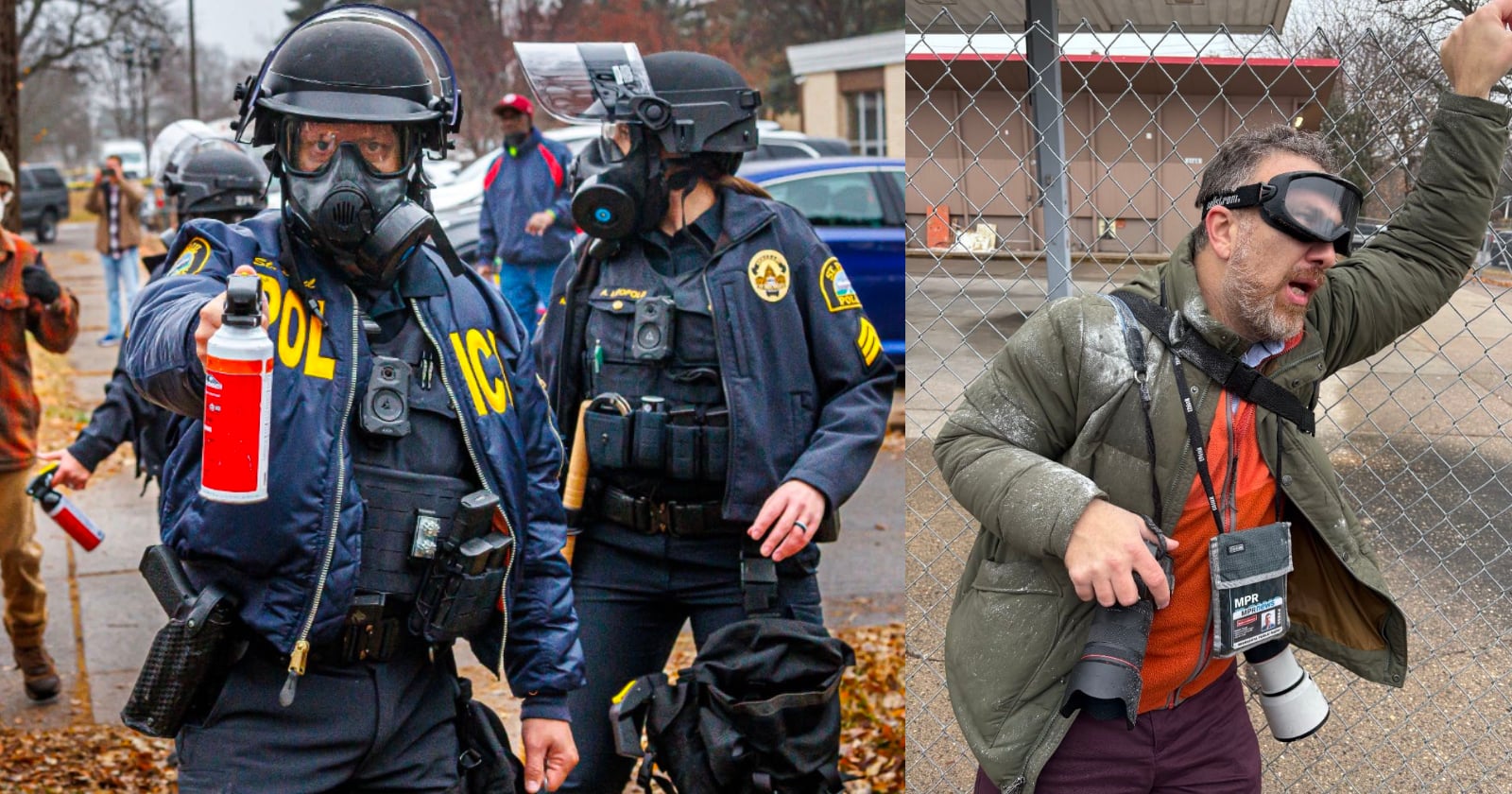
The right to document public events is not a privilege granted by the state; it is a cornerstone of democratic accountability. Yet when three photographers had to file a lawsuit against the St. Paul Police Department over the alleged use of chemical munitions against them during an ICE raid, the message was unmistakable: the act of witnessing itself is being treated as a threat. Their own photographs, the very evidence of what transpired, now serve as the core of their legal claim, turning the lens from a tool of observation into a shield of protection.
This confrontation sits in stark contrast to the conversations we often have about the craft of photography. We spend considerable time debating the merits of sensor size, as explored in The Art of the Frame: How Sensor Shape Shapes Your Visual Story, or celebrating the technical mastery of finalists in competitions like the AOP Open Awards, as seen in Through the Lens: 36 Finalists Redefine Visual Storytelling. These are worthy pursuits of artistic elevation. But they risk becoming luxuries of a comfortable distance. When the camera is no longer just a device for capturing beauty but a weaponized target for law enforcement, the conversation shifts from aperture settings to civil rights. The photographer in the field, especially one documenting state action, is not merely an artist; they are a citizen exercising a fundamental check on power.
For our readers, creative collaborators and health-conscious enthusiasts who value an authentic, curated life, this story should land with a specific gravity. The same immersive eye you bring to composing a frame or selecting a piece of fashion is the same eye these photographers brought to a volatile street scene. The difference is that their pursuit of truth placed them directly in the path of chemical agents. This is not an abstract political debate. It is a practical question of safety and legality for anyone who picks up a camera in a public space. If the police can deploy tear gas against credentialed photographers whose work is to document, what recourse does a civilian with a smartphone have? The lawsuit in St. Paul is not just about three professionals seeking justice; it is about establishing a boundary that protects every person who chooses to look and record.
We must also consider the irony here. The very technology that automates the frame and arguably diminishes the art of photography, as discussed in The Art of Photography Fades as Cameras Automate the Frame, is now being used to create the most essential kind of visual evidence, the kind that holds institutions accountable. The automated sensor, stripped of artistic intent, becomes a pure document of fact. The specific detail to watch in this case is whether the court accepts the photographers' images as irrefutable evidence of a constitutional violation, or whether the narrative will shift to justify the police response. The answer will determine if the city's streets remain a space for visual witness or become a zone where the price of looking is a chemical burn.