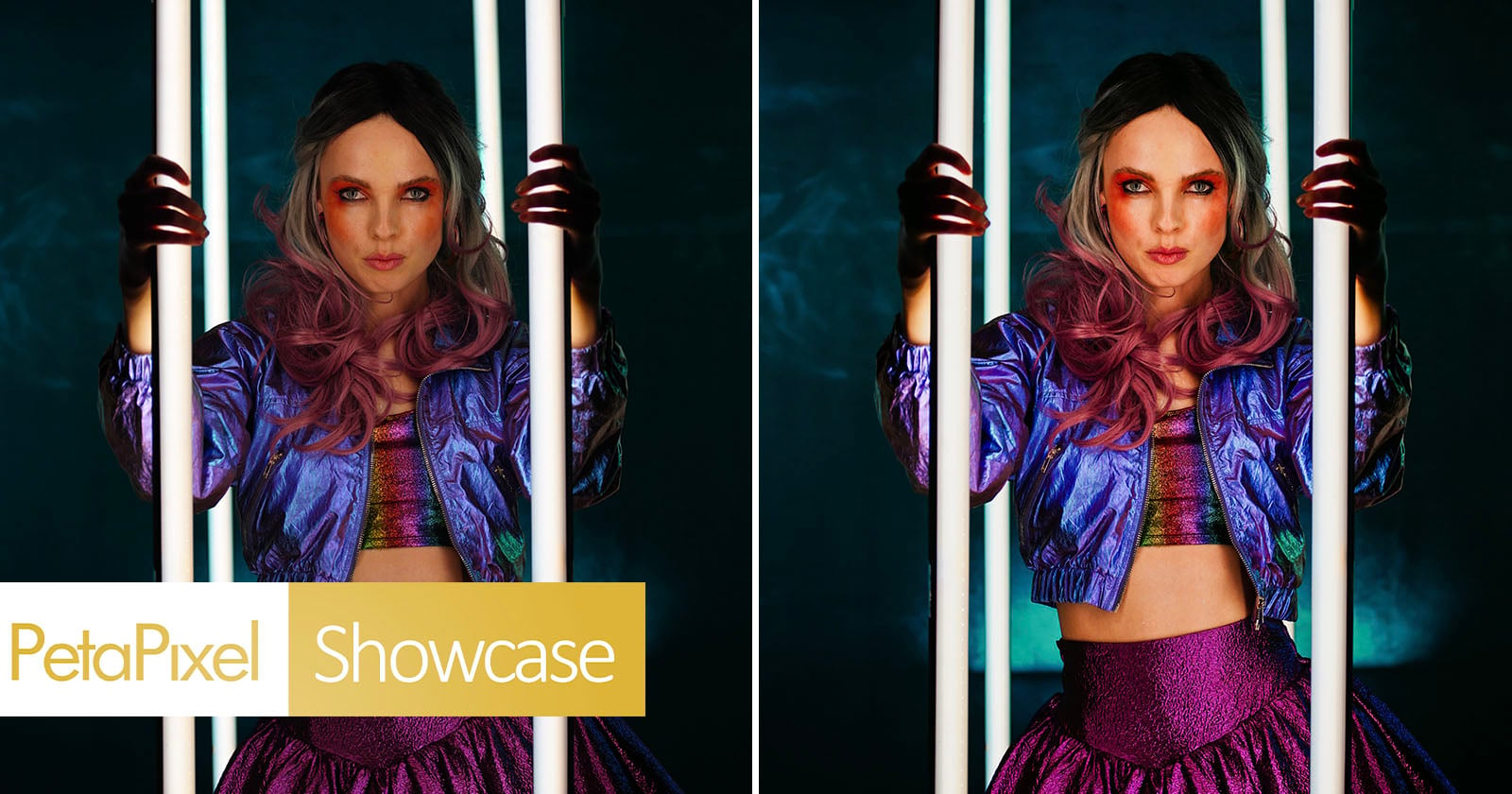
There is something quietly radical about Imagen's Intelligent Studio, and it has nothing to do with speed. In a market where AI photo tools often promise to erase the photographer's hand entirely, Imagen has instead built a workspace that follows the photographer's mind. The new post-production environment lets you cull, edit, and organize a shoot in whatever sequence the project demands, not the software's default. That might sound like a small courtesy, but for anyone who has ever fought a rigid workflow while the light outside is changing, it is a fundamental rethinking of what editing software should do.
Consider how we move through image-making in the field. A travel photographer chasing golden hour does not think in folders and import queues, they think in moments. Our recent piece on Curated Travel Rituals: One-Tap Edits for the Artful Explorer explored exactly this tension: the photographer who wants to stay present in a new city, not buried in a laptop. Intelligent Studio answers that same instinct, but from the opposite direction. It does not try to automate away the edit, it rearranges the room so the edit feels natural. You can start with selects, jump to color, circle back to organization. The tool becomes a collaborator, not a gatekeeper. Similarly, the analog patience celebrated in Framing freedom, two new optical viewfinders let you shoot with clarity and intention finds a digital echo here: both products respect that the creative act is nonlinear, and both refuse to force a single path.
Our take is this: Imagen is betting that the future of AI post-production is not in cleverer filters, but in better architectural decisions. The real breakthrough here is not a new algorithm, it is the permission to work in the order that makes sense to you. For the photographer juggling a fashion editorial alongside a personal series, that permission is everything. It means you can pull a single standout frame into the light without importing the entire shoot. It means your rhythm, not the grid, dictates the flow.
What remains to be seen is whether this flexibility scales. Intelligent Studio invites a chaotic, beautiful mess of a workflow, and that works brilliantly for independent artists who live in their process. But for teams that need consistent color passes and shared folder structures, a free-form workspace could introduce friction. The question worth watching is whether Imagen will offer both: the liberated edit for the sole creator and the structured lane for the collaborative studio. If they do, this becomes more than a product update. It becomes a philosophy about who the software serves, and whether it can bend without breaking.