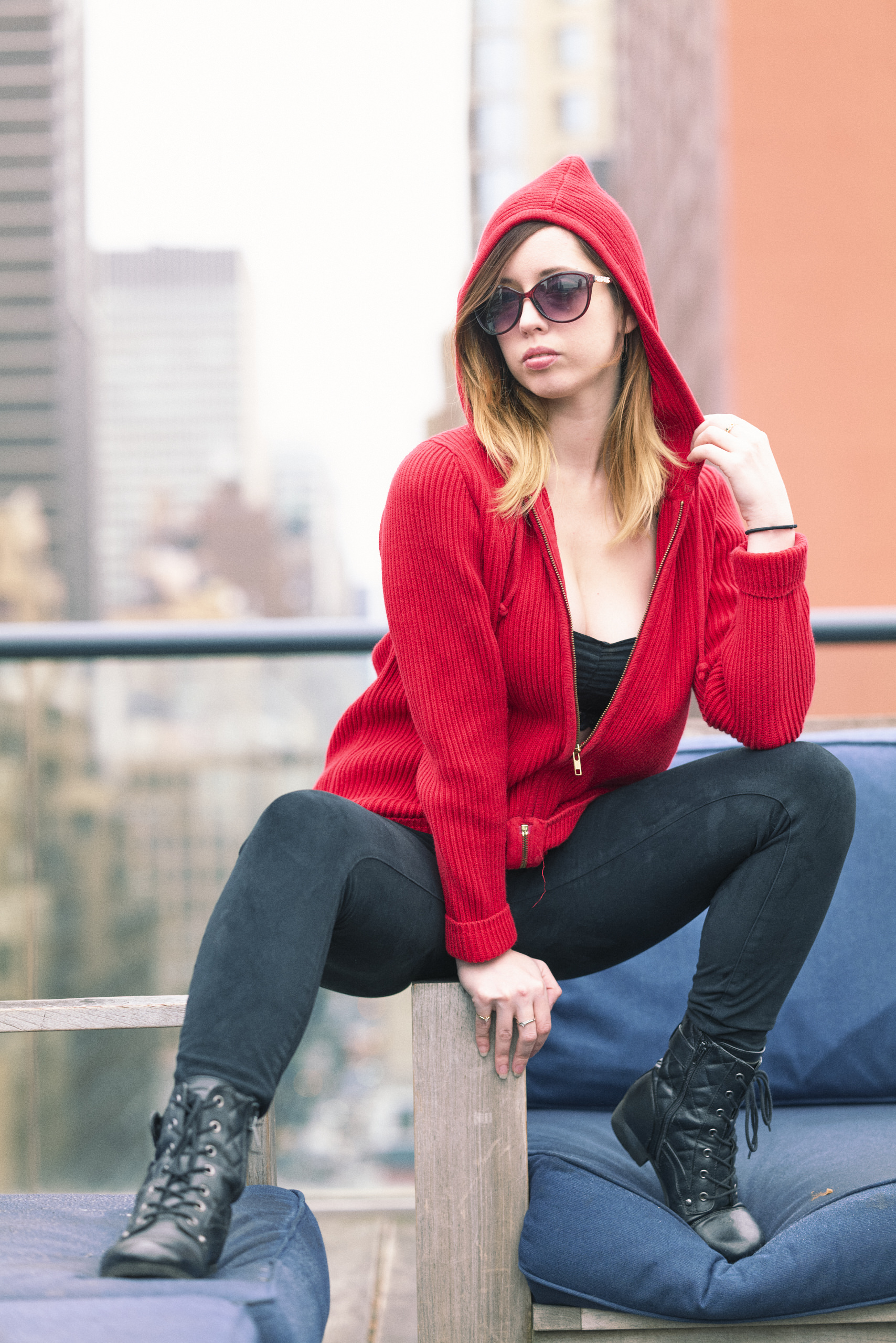
In a digital age where artificial intelligence is increasingly encroaching on creative spaces, the argument against using AI for photo editing resonates deeply within the photography community. The premise articulated in the article “Why I’m Not Using AI to Edit Photos (And You Shouldn’t Either)” underscores a vital truth: the essence of photography lies in authenticity, a quality that AI struggles to replicate. The creator of the presets emphasizes that these tools are designed to empower photographers, enabling them to maintain their unique artistic vision without reliance on AI technology. This perspective is not merely a defense of traditional practices; it is a call to preserve the soul of photography itself, something that a machine cannot replicate.
The conversation around AI in photography is not new, but it has gained momentum as various technologies promise to streamline editing processes. However, as discussed in our related article, “AI Can’t Do What These $40 Presets Can—Here’s Proof,” the nuances of human expression, emotion, and intent behind a photograph are elements that AI lacks comprehension of. While AI can analyze data and suggest edits, it cannot interpret the artist’s vision, the story behind the shot, or the emotional weight that a photograph can carry. By using presets that enhance rather than replace the photographer’s work, we honor the craft and encourage a deeper connection between the artist and their audience.
Moreover, the reliance on AI tools raises questions about the future of creativity and individuality in our digital landscape. Are we, as creatives, willing to sacrifice our authenticity for the convenience of quick fixes? The essence of art—and photography is no exception—lies in the imperfections and the personal touches that each artist brings to their work. The call to embrace curated presets instead of AI editing aligns with a broader trend towards valuing the human touch in an increasingly automated world. This is not just about photography; it extends to the realms of fashion, beauty, and wellness, where the authentic experience is elevated over the sterile, machine-generated alternatives.
As we move forward, it is crucial to reflect on what we value in our creative expressions. The implications of relying on AI extend beyond individual choices; they touch upon the very fabric of artistic integrity. Are we prepared to accept a future where our visual narratives are defined by algorithms? As the conversation evolves, we must remain vigilant about how we engage with technology while nurturing our artistic roots.
In closing, the dialogue surrounding AI in photography serves as a microcosm of a much larger question: how do we balance innovation with authenticity? As photographers and creatives navigate this landscape, it’s essential to embrace tools that enhance our artistry without compromising our vision. The future of photography—and indeed all creative fields—depends on our commitment to authenticity in an age of convenience. What will your choice be as these technologies continue to evolve? The answer may well shape the future of our artistic expressions.