Why the Fujifilm X-T2 Still Holds Up 10 Years Later
Our take
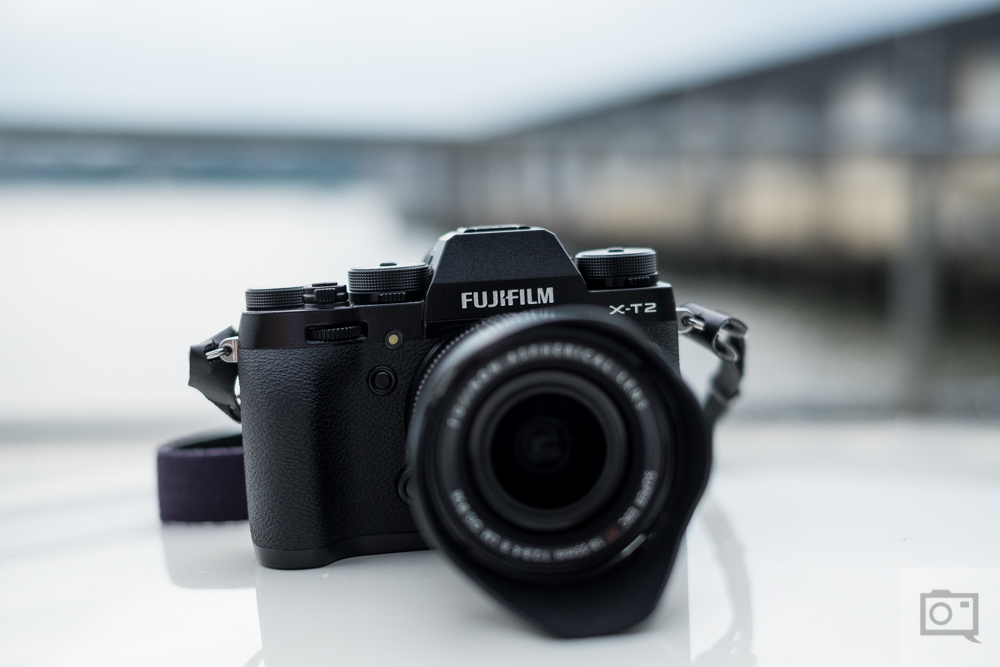
The enduring appeal of the Fujifilm X-T2, a camera originally released in 2016, speaks volumes about Fujifilm’s commitment to a distinct photographic philosophy. Its recent reappraisal, highlighted in the Phoblographer’s piece, isn't simply nostalgia; it's a testament to thoughtful design and a refusal to chase fleeting trends. In a market saturated with increasingly complex and often sterile mirrorless systems, the X-T2’s continued relevance underscores a yearning for tactile control, a connection to the craft of photography, and an appreciation for aesthetic elegance. We've long championed cameras that prioritize the user experience, and the X-T2’s legacy aligns perfectly with that ethos. For a deeper dive into Fujifilm's broader approach, consider our piece Fujifilm's Strategy: Why They're Winning which explores their unique market positioning. It’s also worth revisiting our comprehensive guide to Fujifilm Lens Ecosystems to understand the full potential of this system.
The X-T2's strength lies not just in its specifications—though the 24.2MP X-Trans sensor and robust autofocus were impressive for their time—but in the way it *feels*. The retro-inspired design, with its physical dials and tactile buttons, offers a level of direct control that is increasingly rare in modern cameras. This isn’t about rejecting technological advancement; it’s about integrating it seamlessly into a user-friendly and intuitive interface. The camera invites experimentation and encourages a more deliberate approach to photography, fostering a deeper engagement with the subject and the process itself. While newer models boast incremental improvements, the core experience—the satisfying click of the dials, the immediate feedback—remains a powerful draw. It's a camera that rewards understanding and allows photographers to truly express their vision, rather than being dictated to by the technology.
The longevity of the X-T2 also highlights a broader shift in the photography landscape. Consumers are increasingly discerning, seeking equipment that prioritizes quality and longevity over the constant churn of new releases. The "upgrade treadmill" of the past is losing its grip as photographers recognize the value of investing in a well-built system that can evolve with their skills and needs. Fujifilm’s commitment to supporting older models with firmware updates further demonstrates this understanding, allowing users to extend the lifespan of their investment and minimizing electronic waste. This contrasts sharply with some manufacturers who actively discourage the use of older cameras, pushing consumers towards the latest, often unnecessarily complex, iterations. The X-T2’s staying power is a reflection of a growing desire for sustainability and a rejection of disposable technology within the photographic community.
Looking ahead, the X-T2’s legacy serves as a blueprint for future camera design. Will manufacturers continue to prioritize user experience and tactile control in an increasingly digital world? The X-T2 proves that there's a significant market for cameras that offer a more intimate and engaging photographic experience, even amidst the relentless march of technological progress. Perhaps the most pressing question isn't *what* new features will emerge, but *how* those features will be integrated to enhance, rather than detract from, the photographer’s connection to their craft. The Fujifilm X-T2’s continued relevance suggests that the future of photography might just be rooted in its past.
Read on the original site
Open the publisher's page for the full experience