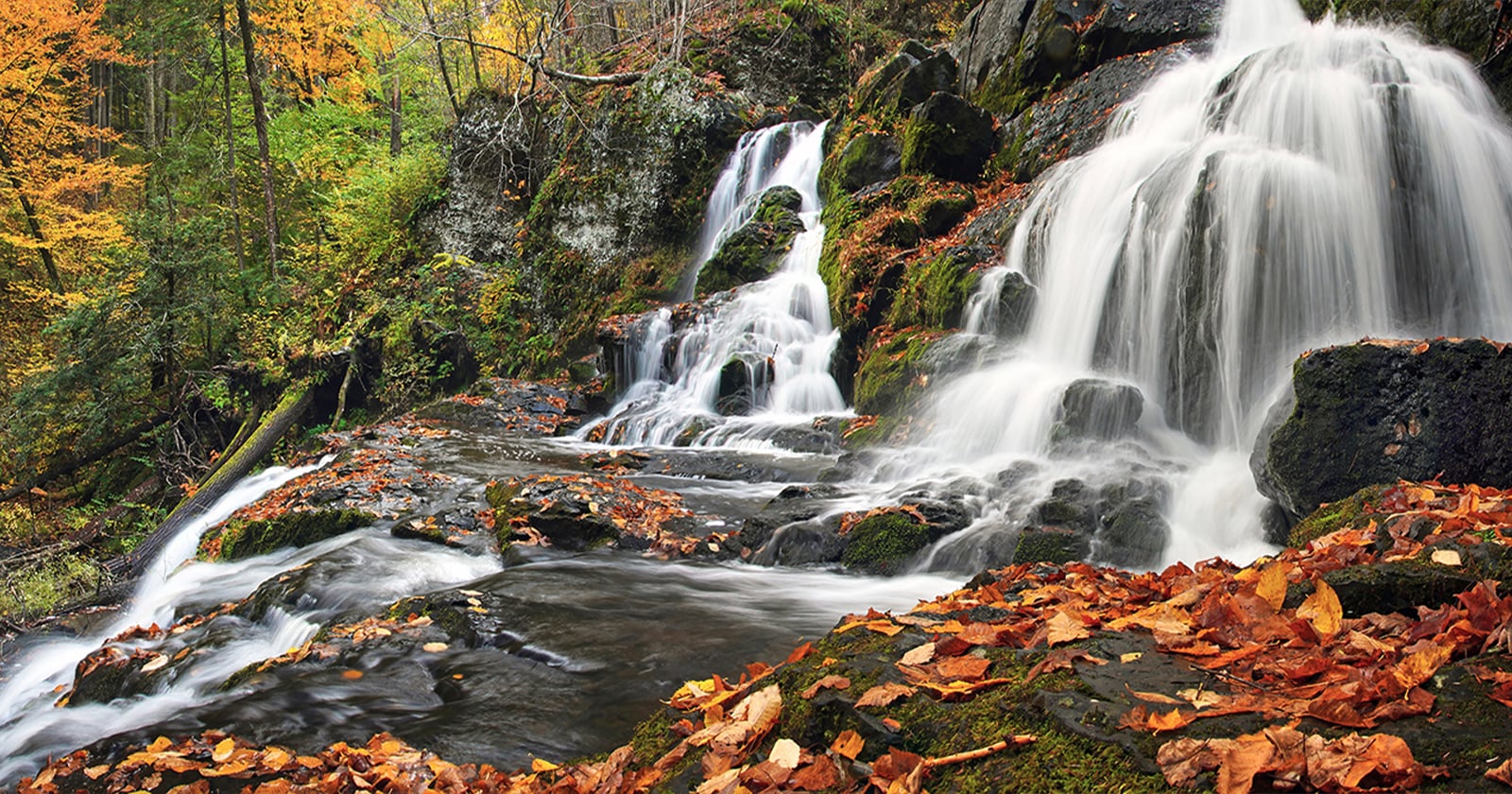
There is something quietly radical about choosing a panoramic frame. It is not merely a wider crop; it is a deliberate refusal to let the vertical edges dictate the story. In a culture that scrolls vertically, the horizontal expanse asks us to slow down, to let our eyes wander across the breadth of a scene rather than snap to a single focal point. That is the cinematic power we find so compelling in the art of panoramic composition, it does not just show us more; it changes how we see.
For the creative eye, this is a practical invitation to rethink balance and movement. A panoramic frame does not compress a landscape; it breathes alongside it. The horizon line becomes a stage, and the relationship between foreground and background shifts from hierarchy to harmony. This sensibility resonates deeply with the philosophy behind Elevate Your Vision with the Artful Precision of Medium Format Film, where the choice of format itself becomes an act of intention. Both approaches remind us that the tool is not neutral, it shapes the story we tell. A medium-format negative offers depth and texture; a panoramic crop offers sweep and rhythm. Together, they point toward a shared truth: constraint can be liberation.
What does this mean for your own practice? It means that the next time you frame a shot, consider what happens when you surrender the vertical. A city street, a crowded café, a shoreline at dusk, each can become a narrative that unfolds sideways, inviting the viewer to participate rather than simply observe. The winners of the Tecno and Lonely Planet Reveal 13 Global Photography Winners contest understood this instinct for storytelling through composition, capturing moments that felt both spontaneous and composed. Panoramic composition is that same instinct, refined into a discipline. It asks you to consider what is worth including and, just as crucially, what is worth cutting.
The specific takeaway is this: start with a single horizontal experiment this week. Find a scene that feels ordinary in a standard frame, and force yourself to see it wide. Notice how your eye moves differently, how the edges become anchors, not afterthoughts. That shift in attention is the real power of the panoramic frame. It is not about fitting more into the picture; it is about letting the picture breathe. And in a world that rarely pauses, that is a bold kind of balance.