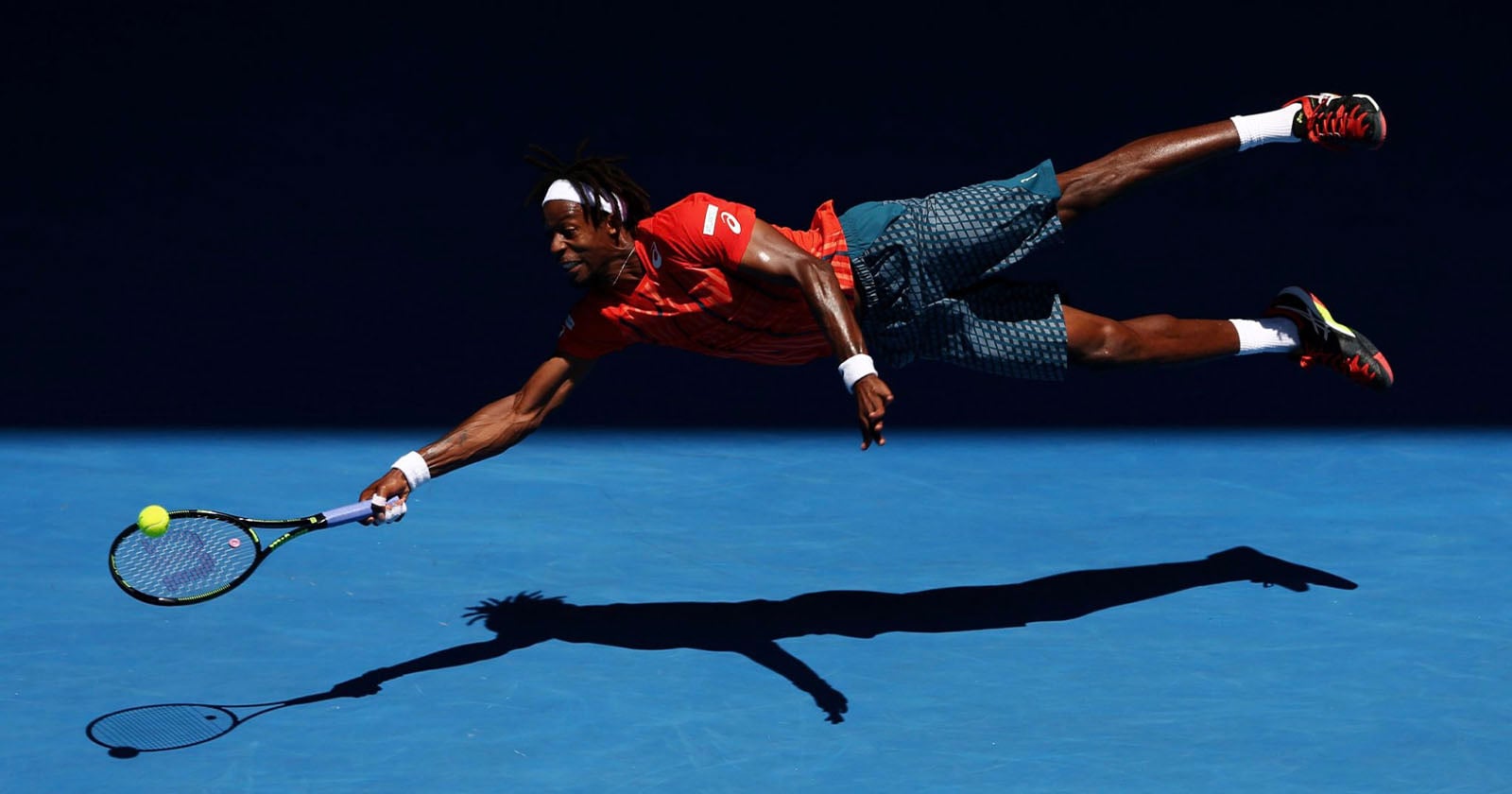
World Press Photo has always been the authority on visual storytelling, but its decision to add three new awards for nature and sports photography in 2027 feels less like an expansion and more like a long-overdue correction. For years, the contest has been synonymous with hard news and documentary work, images of protest, conflict, and human resilience that demand our attention but often leave little room for the quiet power of a leopard in motion or the geometry of a diver suspended mid-air. By formally recognizing these categories, World Press Photo is finally acknowledging that the lens has always been capable of more than bearing witness to tragedy. It can also celebrate the sublime.
This shift matters for our readers because it signals a broader cultural appetite for visual narratives that merge artistry with lived experience. Consider how the Wide-Open Vistas: The 2026 Pano Awards Celebrate a New Vision already proved that sweeping landscapes can command the same reverence as a breaking-news frame. Or how A Tiny 1MP Camera Worn as a Jewel, Priced for Pure Joy reminds us that the tool itself can be an object of beauty, not just a utility. World Press Photo's move is a natural next step in a year where photography is being re-evaluated as both document and decoration, and where the boundaries between fine art, journalism, and lifestyle are dissolving faster than ever.
What makes this announcement particularly compelling is what it implies about the future of the medium. Sports photography has long been a proving ground for technical mastery, freezing a split-second of peak physical expression, while nature photography demands patience, intuition, and a deep respect for the unscripted. By elevating both, World Press Photo is telling us that a great photograph does not need a headline to be urgent. A surfer cutting through a wave at dawn or a cheetah sprinting across the savanna carries its own kind of truth. It is the same truth we chase when we Chase the Night Sky with Lessons from the Eclipse: that the world, in its raw and unmediated state, is already a masterpiece waiting to be framed.
The practical takeaway here is that we should start paying attention to the photographers working outside the traditional news cycle. The 2027 contest will not just reward the person who captured the most dramatic protest or the most devastating portrait of displacement. It will also honor the artist who spent weeks in a blind waiting for the light to hit a bird's wing just so, or the shooter who anticipated the exact moment a gymnast would leave the mat. That is a more complete vision of what photography can be, and it invites us to look at our own images with fresh eyes, searching not just for information but for grace.