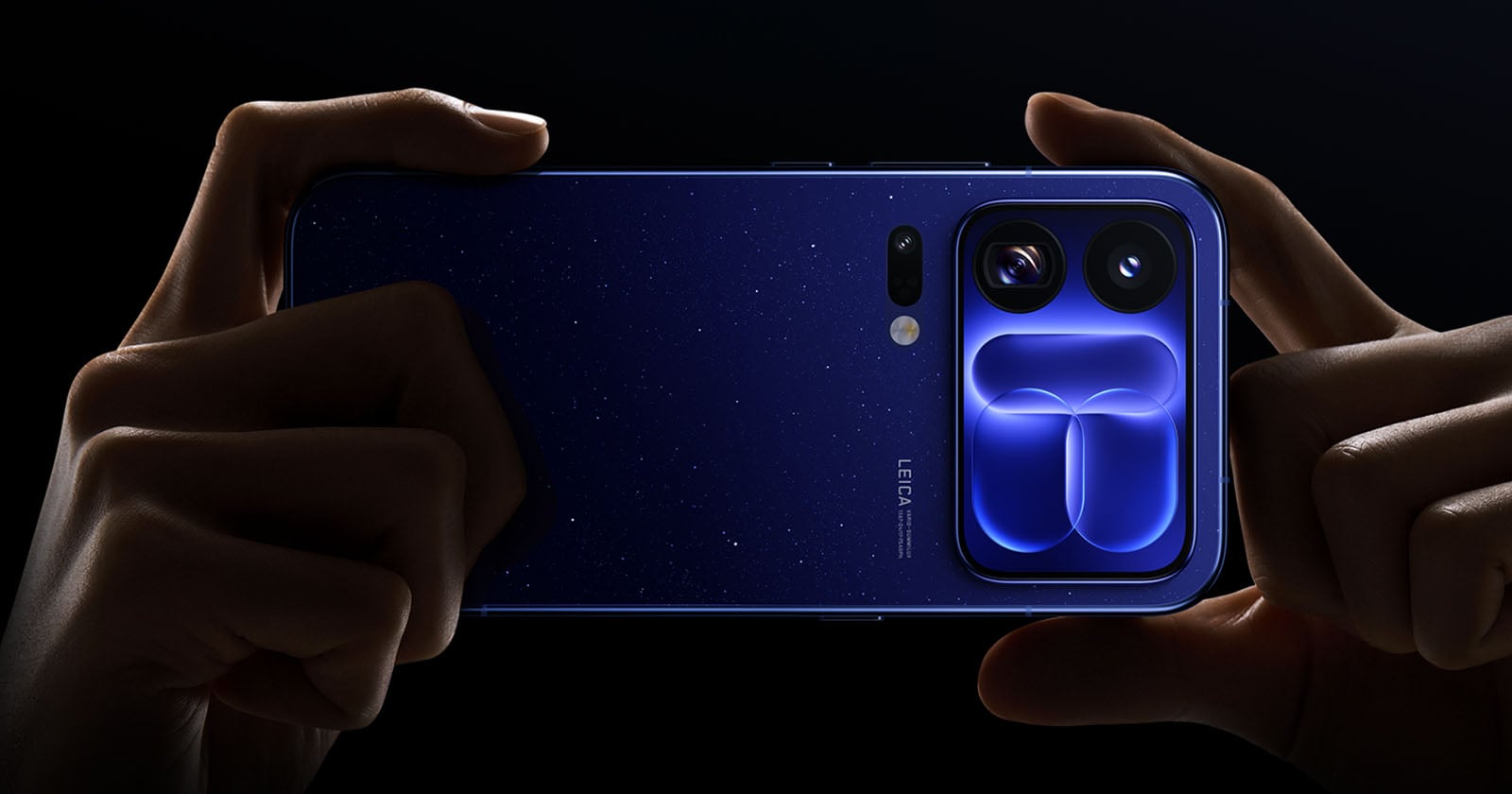
The convergence of cutting-edge mobile photography and high-performance processing continues to redefine the smartphone landscape, and Xiaomi’s recent unveiling of the 18 Series, powered by Qualcomm’s new Snapdragon 8 Elite chips, is a significant marker in that evolution. Launching mere hours after the chips' announcement underscores the speed at which innovation is occurring and Xiaomi’s commitment to being at the forefront. This isn’t simply about faster processors; it’s about enabling computational photography capabilities previously confined to dedicated cameras. The integration of triple Leica cameras, a partnership that has already proven fruitful, further elevates the imaging potential, promising a level of detail and artistic control appealing to both seasoned photographers and discerning enthusiasts. It’s a trend we’ve seen accelerating, mirroring the broader movement towards blending professional-grade capabilities into consumer-friendly devices—a concept explored in depth in “Captured Moments: Mathieu Forget's Photography Freezes Time and Space,” where the power of freezing fleeting moments is so beautifully captured. The focus on both photographic prowess and raw performance aligns perfectly with the values of our audience, who appreciate the seamless intersection of technology, artistry, and lifestyle.
The Snapdragon 8 Elite Gen 6 chips themselves represent a strategic shift from Qualcomm, targeting increased efficiency and specialized performance for tasks like AI-powered image processing and advanced gaming. This is a clear indication that the future of mobile devices isn't just about brute processing power, but about intelligently allocating resources to deliver the best possible user experience. The optimization for photography, in particular, is noteworthy. Consider the advancements highlighted in “Snapdragon Power Elevates the New Surface Pro and Laptop,” demonstrating how Qualcomm’s chipsets are increasingly integral to diverse creative workflows. The Xiaomi 18 Series appears to be extending that narrative to the mobile space, promising a device capable of handling demanding photographic tasks with ease. The incorporation of Leica optics adds another layer of prestige, a brand synonymous with exceptional image quality and a long history of photographic innovation. This collaboration signifies Xiaomi's ambition to position itself as a premium player in the global smartphone market, directly challenging established competitors.
Beyond the technical specifications, the aesthetic design, as showcased in the promotional imagery, suggests a commitment to a refined and sophisticated visual identity. The subtle starry pattern on the back of the device hints at a connection to the night sky, a subject often pursued by photographers seeking to capture the beauty of the cosmos. This attention to detail, extending beyond just functionality, is critical for attracting a consumer base that values both form and function. The device appears to be designed not merely as a tool, but as an extension of the user’s personal style – a characteristic that resonates with our audience's appreciation for curated aesthetics. It’s a move away from the sometimes-garish designs of competing brands and towards a more understated elegance, reflecting a growing trend towards minimalist design and a focus on premium materials. Furthermore, the global launch strategy signals Xiaomi’s continued expansion into international markets, a testament to the growing demand for high-quality smartphones at competitive price points. We saw a similar emphasis on capturing authentic moments in “Moments Captured: Shin Noguchi’s Street Photography, Now in a Deck,” where the raw, unedited nature of the images resonated deeply.
Ultimately, the Xiaomi 18 Series represents a compelling evolution in mobile photography and performance. It's a device that seems poised to appeal to a sophisticated audience who demands both exceptional image quality and blazing-fast processing power. The question now is whether Xiaomi can successfully translate these impressive specifications into a real-world user experience that lives up to the hype. The combination of Qualcomm’s latest chips, Leica’s renowned optics, and Xiaomi’s design sensibilities presents a formidable package. Will this convergence of technology and artistry truly redefine the mobile photography landscape, or will it simply be another incremental upgrade in an increasingly crowded market? The coming months will reveal the true impact of this ambitious release.