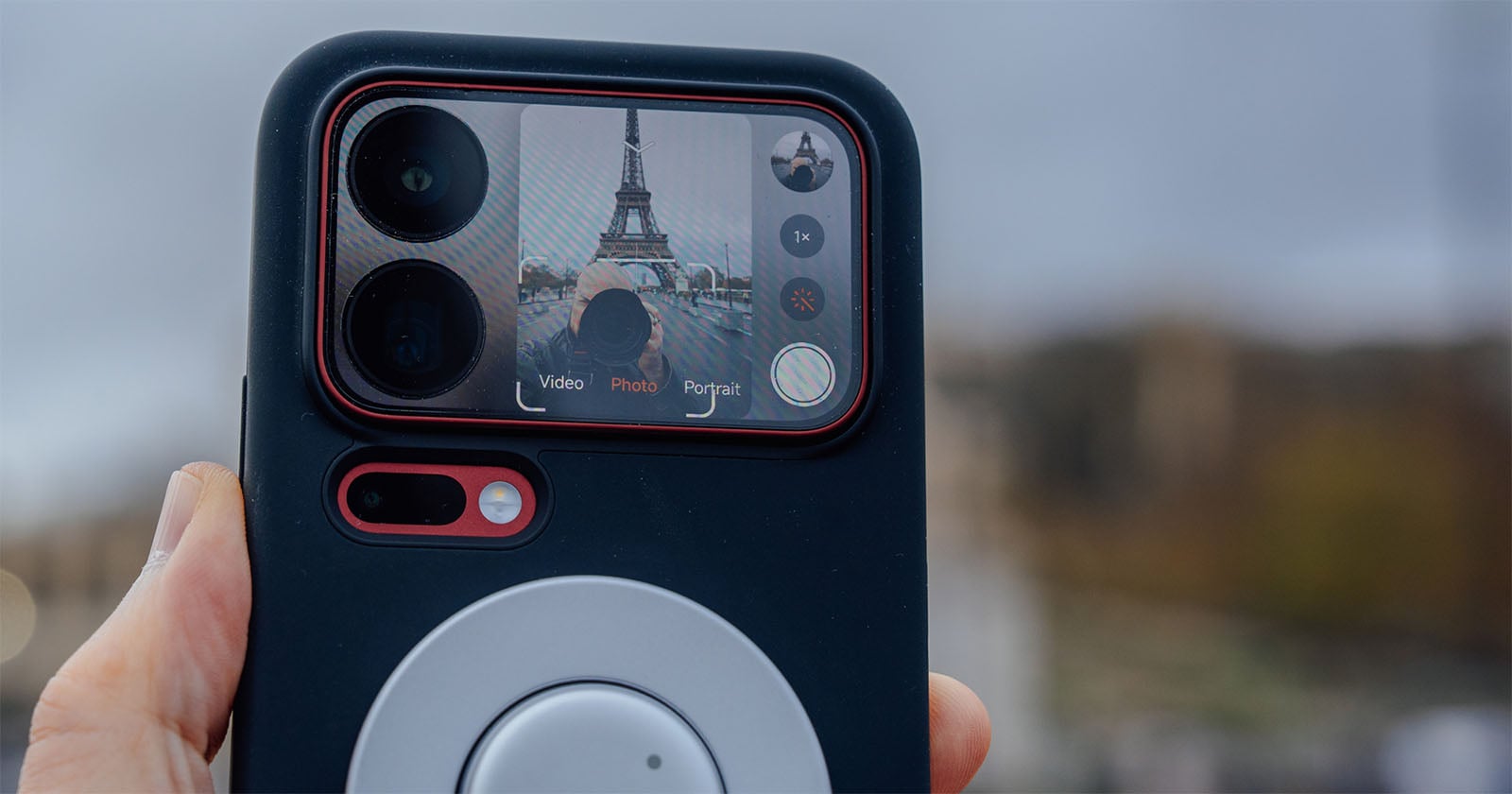
Xiaomi's decision to launch the 18 Pro Series in Paris is a declaration of intent that deserves our attention, not just for the hardware but for what it signals about the future of personal devices. The company is betting that the global market is ready for a dual-screen slab phone, and we think that bet is both bold and beautifully timed. For our readers who curate every detail of their lives, from the lighting in a room to the angle of a photograph, this isn't merely a spec sheet update; it's an invitation to rethink how we interact with our most intimate tools.
The 18 Pro and 18 Pro Max are outliers because they offer two displays in a form factor that has largely settled into single-screen orthodoxy. This feels less like a gimmick and more like a response to a cultural shift we've been tracking. As Designing Instagram for iPhone Duo Poses a Curated Challenge recently explored, even Instagram's leadership is grappling with how to design for dual-screen experiences. Xiaomi's move validates that conversation, pushing it from niche accessory territory into the mainstream. For the creative collaborator or the health-conscious enthusiast who juggles a workout playlist, a recipe, and a video call, a second screen isn't a luxury, it's a practical canvas for multitasking without breaking flow.
Yet the launch in Paris, a city synonymous with art and luxury, tells us Xiaomi understands its audience here. This isn't about raw specs alone; it's about crafting an immersive tool that feels aspirational. The dual-screen design invites a more curated approach to daily use, imagine framing a shot on one display while adjusting settings on the other, or reading a wellness article while keeping an eye on a live feed from your yoga class. It aligns with the ethos we've championed in pieces like The PetaPixel x Harper Finch Holiday Collection Arrives With Curated Style, where functionality meets aesthetic intention. The phone becomes a statement piece, not just a utility.
The practical takeaway for our readers is this: Xiaomi is forcing the industry to ask a question that matters, what do we lose by accepting a single screen as the standard? The answer isn't just about productivity; it's about presence. A dual-screen device could let us keep one eye on the world and one on our creative work, without the frantic switching that fragments attention. The open question is whether app developers will rise to meet this hardware with the same curated sensibility. Watch for how Instagram, in particular, adapts its interface for this new canvas, because if the platform that defined visual culture stumbles, even the most elegant phone risks feeling like an empty frame.