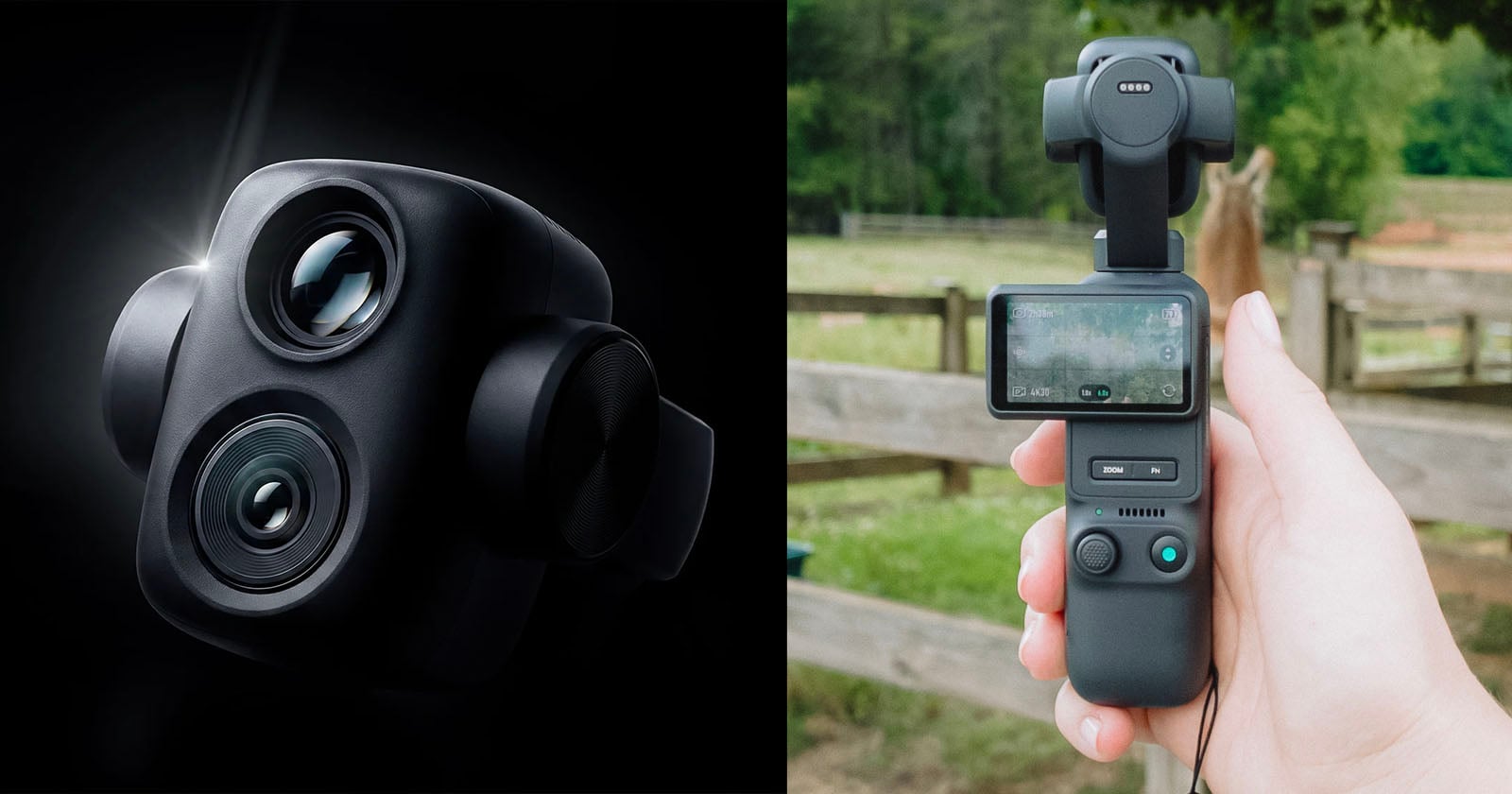
The abrupt disappearance of the Muse 2 Pro feels less like a business decision and more like a magic trick gone wrong. One moment, Xtra was riding the wave of a sub-$700, dual-lens 360-degree camera that openly mirrored the Insta360 experience. The next, the product page is gone, preorders are void, and refunds are being issued. This is not a quiet update or a graceful exit; it is a door slammed shut, and the echo is loud enough to make any creator pause mid-purchase. When the FCC starts asking pointed questions, the silence from a brand speaks volumes, and for those of us who live in the world of visual storytelling, it is a reminder that the most inspiring gear is only as good as the legal foundation it stands on.
This is where the creative journey gets complicated. We often chase the aesthetic, the perfect in-camera color, or the allure of a new format, but the hardware itself exists in a world of compliance and red tape. Our recent look at PolarPro’s Radial Filters Reimagine In-Camera Color celebrates the pursuit of a specific look, while Embracing the Drama of Ultra-Low ISO Film honors a classic process. But those tools are only viable if the devices reading them are sanctioned and stable. The Xtra situation yanks us back from the romance of the image to the gritty reality of the market. It is a stark contrast: we can curate a frame with artistic precision, yet we have no control over whether the company making our primary tool will exist next week. The takeaway here is not just about one camera; it is about the fragility of relying on a brand that might cut and run when regulators come knocking.
For our readers, the practical takeaway is unglamorous but essential: patience is a virtue, but due diligence is a requirement. If you were one of the early adopters who put down a deposit, the refund is the easy part. The harder question is what this does to your confidence in the broader market of "DJI clones" and budget-friendly alternatives. We are not saying every new player is a risk, but when a company pulls its flagship product faster than you can say "frequency interference," you have to wonder about the long-term support for the ecosystem. We would tell you this directly: do not buy the promise of a spec sheet alone. Look at the company's history, its response to pressure, and whether it has weathered a storm. The Legacy of Vision celebrated by USPS reminds us that lasting impact is built over decades, not in a single launch cycle. Xtra just showed us that a product can vanish in a weekend.
What we are watching now is the fallout. Will Xtra address the FCC's concerns with transparency, or is this the beginning of the end for the entire operation? For a company that positioned itself as the accessible alternative, this move feels like a quiet admission that they were not ready for the big leagues. The specific consequence to keep an eye on is whether any of the other "similar companies" in the FCC's crosshairs follow suit, or if they double down and fight the scrutiny. For you, the creator, the next step is simple: check the return policies and support lines for any gear you currently own, and maybe hold off on preordering the next big thing until the regulatory dust settles. The image is worth capturing, but the tool you use is only a tool until it is gone.