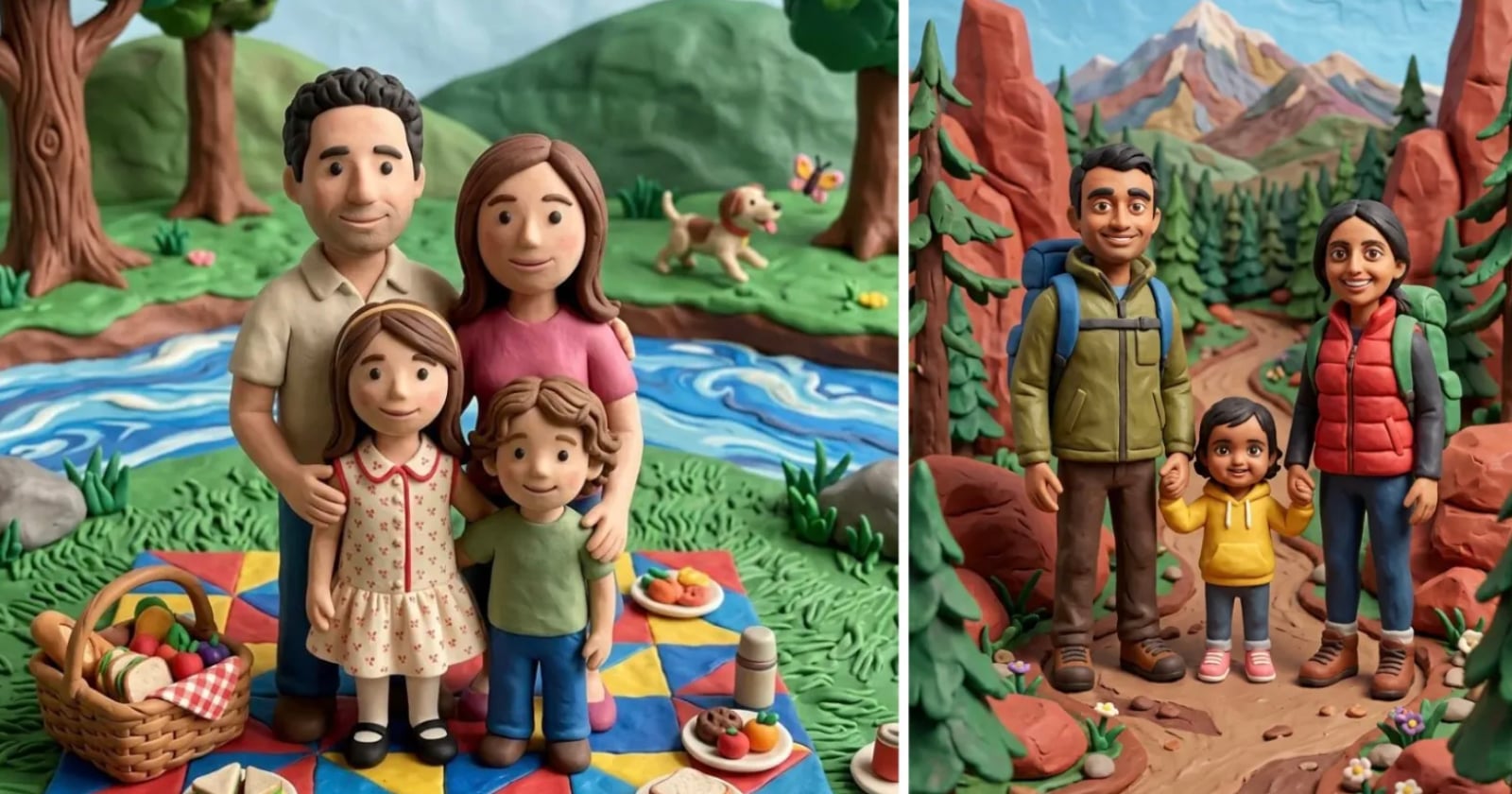
In a bold move that blends creativity with advanced technology, Google has unveiled its latest innovation: a personalized image generation feature that allows users to connect their Google Photos library to the Gemini AI image generator and photo editor Nano Banana. This development opens a new frontier in how we think about our personal imagery and the role of artificial intelligence in enhancing our creative expressions. For those who appreciate the intersection of art and technology, this feature resonates deeply, much like the insights shared in articles such as Lara Jade‘s Beauty Light Guide, where the emphasis is placed on elevating artistic practices, or the exploration of popular equipment trends in Fujifilm’s Old XF 35mm f/1.4 Is a Best-Selling Prime Lens By a Huge Margin.
This feature not only simplifies the process of creating personalized images but also democratizes artistic expression. By harnessing the power of AI, users can transform their everyday photos into stunning visual narratives that reflect their unique stories. The potential applications for this technology are vast—ranging from enhancing personal memories to creating bespoke artwork for social media or home decor. In an era where visual storytelling is paramount, this tool provides an exciting avenue for individuals to express their creativity in a way that feels both authentic and aspirational.
Moreover, the integration of Google Photos with Gemini and Nano Banana signifies a shift towards more immersive and curated experiences. Users are no longer passive consumers of content; instead, they become active participants in the creation process. This aligns with a broader trend in the creative landscape where platforms seek to empower users by providing tools that enhance their artistic capabilities. As seen in discussions around the pricing of limited edition fine art photography prints in Seeking feedback on pricing limited edition fine art photography prints, the market is increasingly valuing unique, personalized works over generic offerings.
However, with this exciting innovation comes a responsibility to navigate the ethical implications of AI-generated content. As users increasingly rely on AI to augment their creative processes, questions arise about originality, copyright, and the authenticity of the images produced. Will the ease of access to such tools dilute the artistry of photography, or will it inspire a new wave of creative expression that embraces technology as a partner rather than a replacement?
Looking ahead, it will be fascinating to observe how this integration of AI within personal photography evolves. Will users embrace the challenge of curating their visual narratives with the help of Gemini, or will they remain tethered to traditional methods? As these technologies continue to develop, the potential for creating immersive and vibrant artistic works will likely expand, inviting us all to explore new dimensions in our creative journeys. The question remains: how will we balance the allure of technology with the authenticity of personal expression?