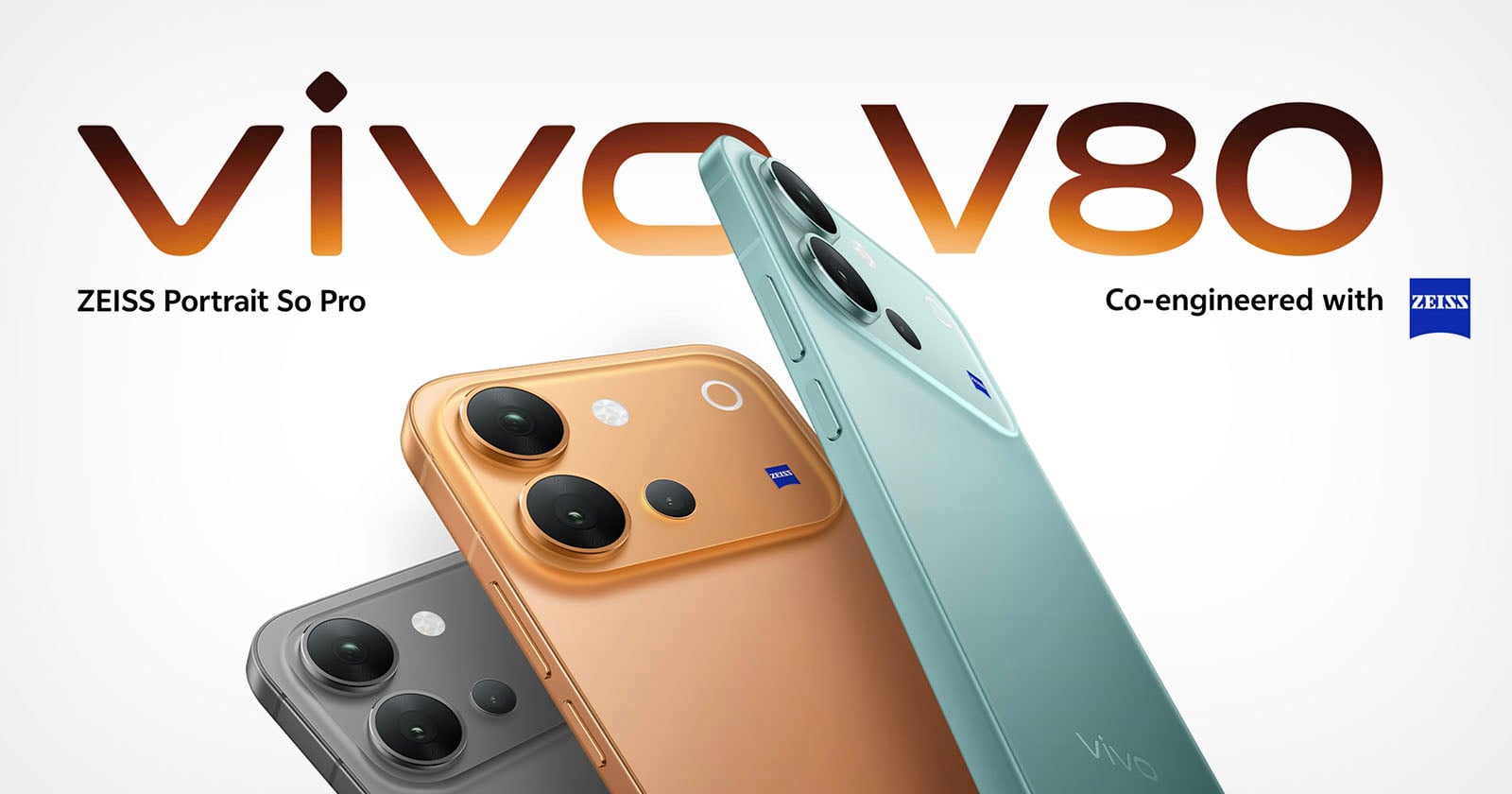
This is the kind of collaboration that makes us stop and take notice, because it signals something far more meaningful than a spec sheet upgrade. Vivo and Zeiss merging precision optics with mid-range artistry feels like a quiet correction to a market that has too often treated photography as a checkbox rather than a craft. For years, the promise of "co-engineered" cameras has been reserved for flagship devices costing a small fortune, leaving the creative-minded enthusiast to choose between budget convenience and genuine optical quality. The V80, a new mid-range smartphone with a camera system co-engineered by Zeiss, directly challenges that divide. It suggests that the pursuit of an elevated visual life should not require a luxury price tag, and that is a shift we can fully embrace.
What makes this announcement resonate is the deliberate choice of partner. Zeiss does not license its name lightly; its reputation is built on a legacy of lens-making that prioritises contrast, colour fidelity, and the kind of rendering that feels less like a filter and more like a memory. Pairing that heritage with Vivo's design sensibility creates an intriguing tension. Vivo has long understood that a device must feel as good as it performs, curating materials and proportions that reward the hand as much as the eye. This is not the same approach we saw with the The BH-60 blends smooth video control with photography's creative freedom, which focused on physical control for hybrid shooters, nor does it echo the tragic story of A Curated Vision Fades as Pixii Enters Judicial Liquidation, where a beautifully singular rangefinder concept could not sustain itself commercially. The V80 is trying something different: embedding world-class optics into a device that already lives in your pocket, making artistry accessible without requiring a dedicated camera bag.
For our readers, the practical consequence is worth examining closely. A mid-range phone with Zeiss-engineered optics means that the barrier to creating authentic, immersive imagery just got lower. You do not need to master a separate camera system to capture the kind of light and texture that feels intentional. This matters for the health-conscious enthusiast documenting a morning routine, the creative collaborator storyboarding on the go, or anyone who values the tactile pleasure of a well-composed frame. The V80 positions itself as a tool for the lifestyle that is already aspirational yet grounded, and that is a rare alignment in a category often dominated by either gimmicks or gatekeeping.
The open question is execution. Will the software processing honour the optical foundation, or will aggressive noise reduction flatten the very character Zeiss is known for? That detail will define whether this is a genuine step forward or a missed opportunity. We will be watching the sample images closely, because the difference between a curated photograph and a generic snapshot is not in the sensor count, it is in the glass.