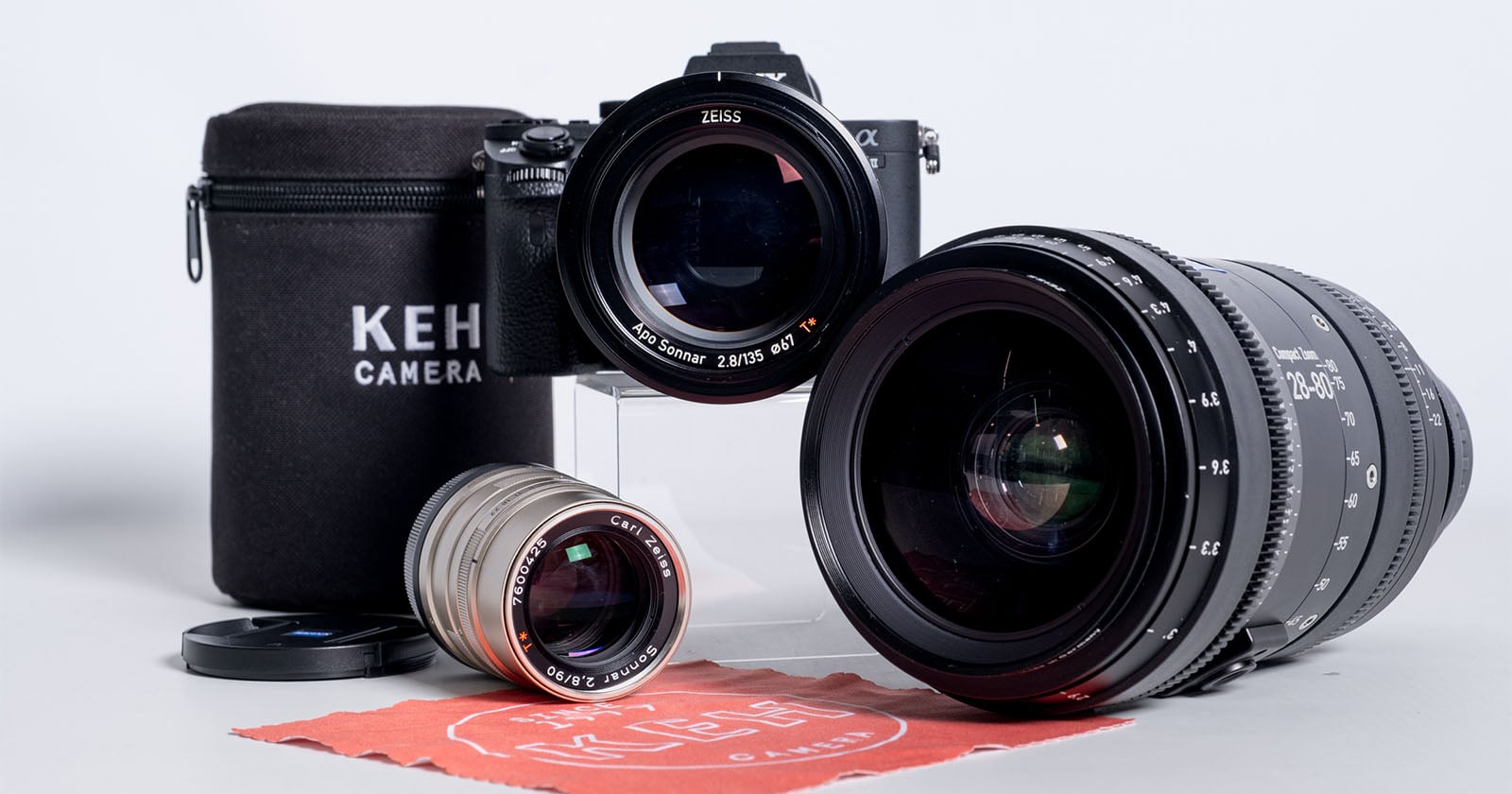
There is something quietly radical about a company best known for selling used cameras deciding it should also be the one to keep precision optics alive. KEH Camera, a name that has long meant pre-owned gear, has been named the exclusive authorized repair and service center for Zeiss photography lenses in the United States and Canada. On the surface, this is a logistical announcement. But beneath the press release lies a more interesting truth: the people who understand a tool are not always the ones who built it, and sometimes the ones who resell it are the ones who truly know how to care for it.
We have spent a lot of time celebrating the art of the image, from the cosmic reach of Capturing Cosmic Beauty: An Astrophotography Journey with Nikon to the street-level storytelling of Experience Photography's Artistry: The 5 Boro Foto Fest Returns. Those stories are about vision, but vision is useless if the glass in front of your eye is misaligned or the focus ring grinds with hesitation. Zeiss lenses are not just tools; they are instruments of intention. And for years, owners of these lenses have faced a particular anxiety: where do you send a piece of German engineering when it needs more than a dust blower and a prayer? The answer, it turns out, is the same place you go to find a gently used 50mm that has seen a few adventures.
Our take is this: this partnership is not just about repair logistics. It is about trust earned through practice. KEH has spent decades handling a constant flow of used gear, which means their technicians have seen every kind of wear, impact, and humidity damage that a lens can endure. That is a form of education no classroom can replicate. When Zeiss looked for a partner, they did not choose a shiny new facility; they chose a team that has been learning the hard way, one scratched barrel and one stuck aperture blade at a time. For the working photographer, this matters in a very immediate sense. It means your prized lens does not have to cross an ocean for service. It means turnaround times might actually be measured in weeks, not months. And it means the people handling your glass have likely already held a hundred lenses just like yours.
What we would tell a reader who asks us about this is simple: do not wait for something to break to find out who you trust. The relationship between a photographer and their gear is intimate, and the repair shop is the quiet third partner in every great shot. This move elevates KEH from a marketplace to a custodian, and it gives Zeiss owners a clear, domestic answer to an old problem. But the open question we are watching is whether this exclusivity will raise the standard of care or simply raise the price of it. That is the detail to watch. Because in a world where we increasingly chase the new, it is a rare and beautiful thing when someone decides to make the excellent last just a little longer.