Zeiss Teases a “Major Leap” in Lens Technology
Our take
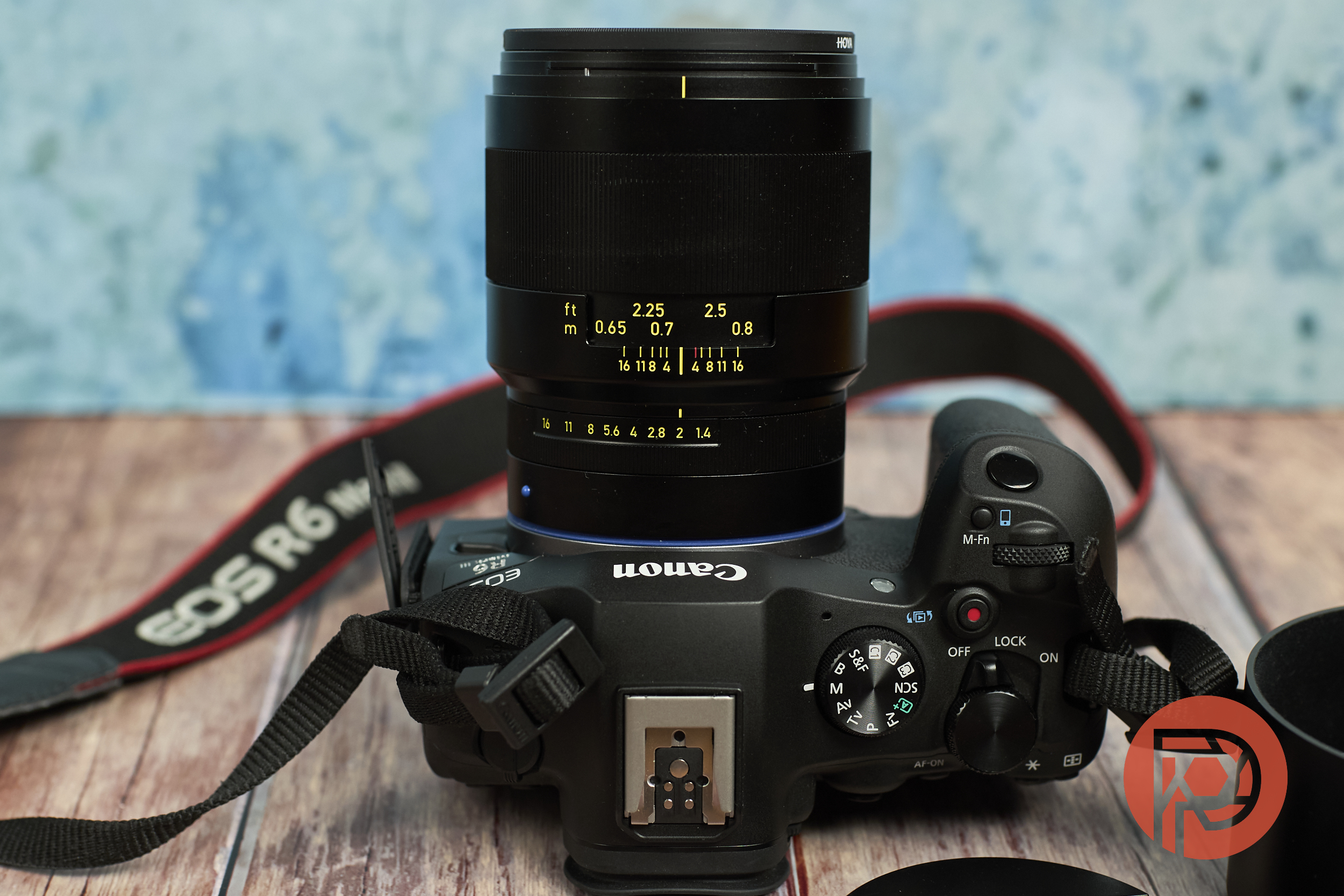
As Zeiss prepares to unveil what it describes as a “major leap” in lens technology, the world of photography is poised for an exciting evolution. After a notable hiatus, Zeiss has returned with its acclaimed Otus lineup, which has been met with enthusiasm from photographers who cherish the brand's legacy of excellence. However, a segment of the photography community has expressed reservations regarding manual focus lenses, calling for innovations that cater to a more intuitive shooting experience. This context sets the stage for the upcoming announcement on June 2, which could redefine user expectations and elevate the photographic landscape. It’s reminiscent of discussions surrounding innovations in other lens technologies, such as in our recent review of the Lomography Joseph Petzval 27 f1.7, where the pursuit of nostalgia meets the demand for modern usability.
The anticipation surrounding Zeiss's announcement signifies a broader trend in the industry—an increasing call for lenses that harmonize traditional craftsmanship with contemporary needs. The Otus series, while celebrated for its optical performance and artistic qualities, has sparked a dialogue about the viability of manual focus in a rapidly evolving digital age. The emerging sentiment among some photographers suggests a preference for autofocus capabilities that enhance creativity without compromising on the artistic intent. This shift is mirrored in various discussions within the community, including intriguing perspectives on what it means to experiment with unconventional lenses in articles like What Does It Look to Take a Photo With Half a Lens?.
As we await Zeiss's new offering, it’s essential to consider the implications of such advancements for both amateur and professional photographers. Accessibility in photography is crucial; the tools we use should empower our creative expression rather than inhibit it. By potentially addressing the concerns surrounding manual focus, Zeiss could not only enhance its market position but also reaffirm its dedication to serving a diverse photographic community. The excitement around this announcement may herald a new chapter that integrates the tactile pleasure of manual control with the speed and efficiency of modern autofocus systems, creating a more inclusive environment for various styles of photography.
Looking ahead, the industry is at a pivotal juncture. The outcome of Zeiss's innovation may set a precedent for other manufacturers to rethink their approaches to lens design, prompting a wave of advancements that prioritize user experience while maintaining high standards of optical quality. As photographers, we should remain vigilant and engaged, as the evolution of lens technology not only influences our craft but also shapes the very essence of visual storytelling. What might this new lens technology mean for the future of photography, and how will it inspire us to push the boundaries of our creativity? With the unveiling just around the corner, we are on the cusp of a transformative moment that could redefine how we interact with our tools and the world around us.
Read on the original site
Open the publisher's page for the full experience
Related Articles
- Zeiss Completes the Holy Trinity of Mirrorless Glass With 35mm LaunchWhen Zeiss announced its comeback, everyone was really happy. The Otus lineup, at one point, was, after all, the very best optics. The company introduced the portrait options first, the 50mm and the 85mm, which are still being reviewed by us. However, while you wait to hear more of its performance, we are here to announce the introduction of the 35mm f1.4, the last lens in the holy trinity. Here's what it offers.
- Zeiss Otus ML 35mm f/1.4 Promises Photos With a Ton of CharacterAlmost one year to the day after unveiling the Otus ML 50mm f/1.4 and Otus ML 85mm f/1.4 manual focus primes for full-frame mirrorless cameras, Zeiss is back with its third new Otus prime for mirrorless cameras, the Otus ML 35mm f/1.4. [Read More]