Malaysian Ships Stranded In Persian Gulf Allowed To Pass Through Strait Of Hormuz After Weeks Of Blockade
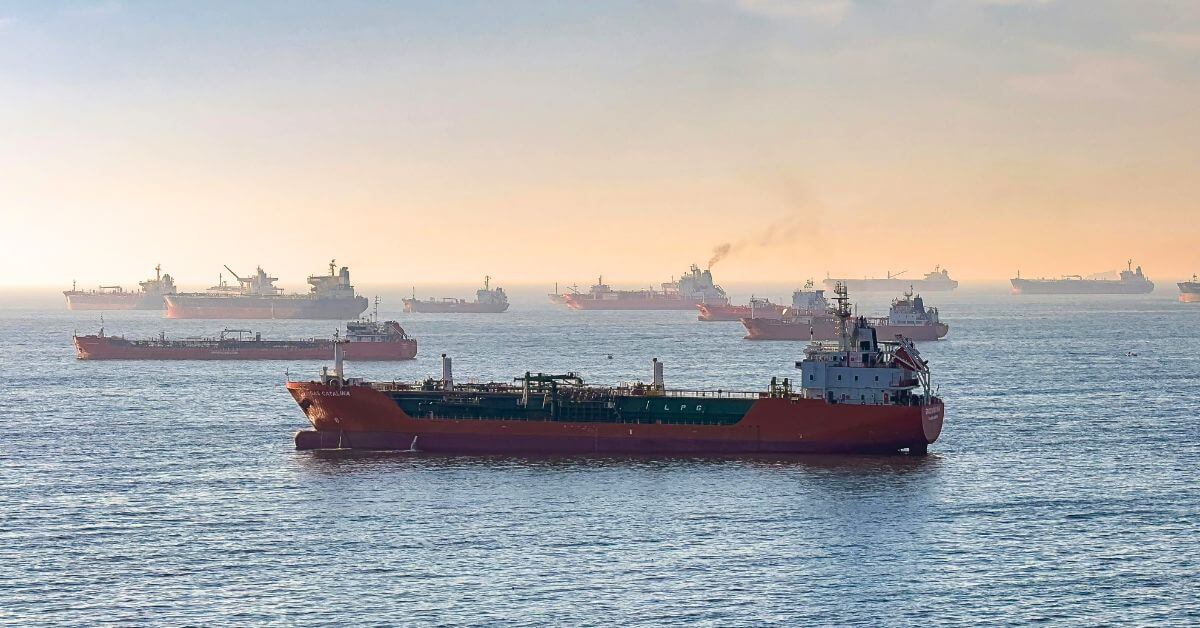
Malaysia has said that its ships stranded in the Persian Gulf are now being allowed to pass through the Strait of Hormuz after talks with Iran.
The update came on Thursday when Prime Minister Anwar Ibrahim addressed the nation and confirmed that Iranian authorities had granted clearance for Malaysian vessels to continue their journey.
He said Malaysia is in the process of releasing its oil tankers and crew so they can return home. He also thanked Iran’s president Masoud Pezeshkian for allowing the ships to pass.
The government did not say how many vessels were involved or what conditions were attached to the clearance.
The strait has been heavily restricted for nearly a month following strikes by the United States and Israel on Iran.
The situation has disrupted global shipping and energy markets, as this route normally handles about 20% of the world’s oil and liquefied natural gas shipments.
Before the conflict, around 120 vessels used the route daily, but recent tracking data shows only about four to five ships passing through each day.
Malaysia is an oil and gas producer, but it depends on imports for a large part of its crude supply. Around 70% of its crude oil comes from the Gulf region, and about half of that passes through Hormuz.
The disruption has affected fuel supply, and the government has said it may reduce subsidised petrol quotas and introduce work-from-home measures for some public sector workers. Officials have also warned that food prices, fertiliser costs, and energy supplies could be affected.
Some ships from other countries have also crossed the strait in recent days. A Thai oil tanker passed through earlier this week after coordination between Thailand and Iran, and officials said no payment was required.
Two Chinese-owned liquefied petroleum gas carriers have also transited the route. A Chinese containership named New Voyager was reported to have crossed after making a payment to Iranian authorities.
Iran has said ships not linked to the United States or Israel may be allowed to pass, but it has also asserted control over the waterway.
There are reports that some vessels have been asked to pay up to $2 million for safe passage, though this has not been confirmed in all cases.
A Thai-flagged cargo vessel was hit by projectiles earlier this month and later ran aground near Qeshm Island.
According to reports, 20 crew members were rescued by Oman’s navy, while three are still missing after an explosion caused a fire in the engine room.
Iran has acknowledged responsibility for at least two incidents involving attacks on commercial ships, out of about 20 reported cases in the region since the conflict began.
References: Bloomberg, The Guardian
Want to read more?
Check out the full article on the original site