UK Leads Talks With 35 Nations To Reopen Strait Of Hormuz Amid Ongoing Crisis

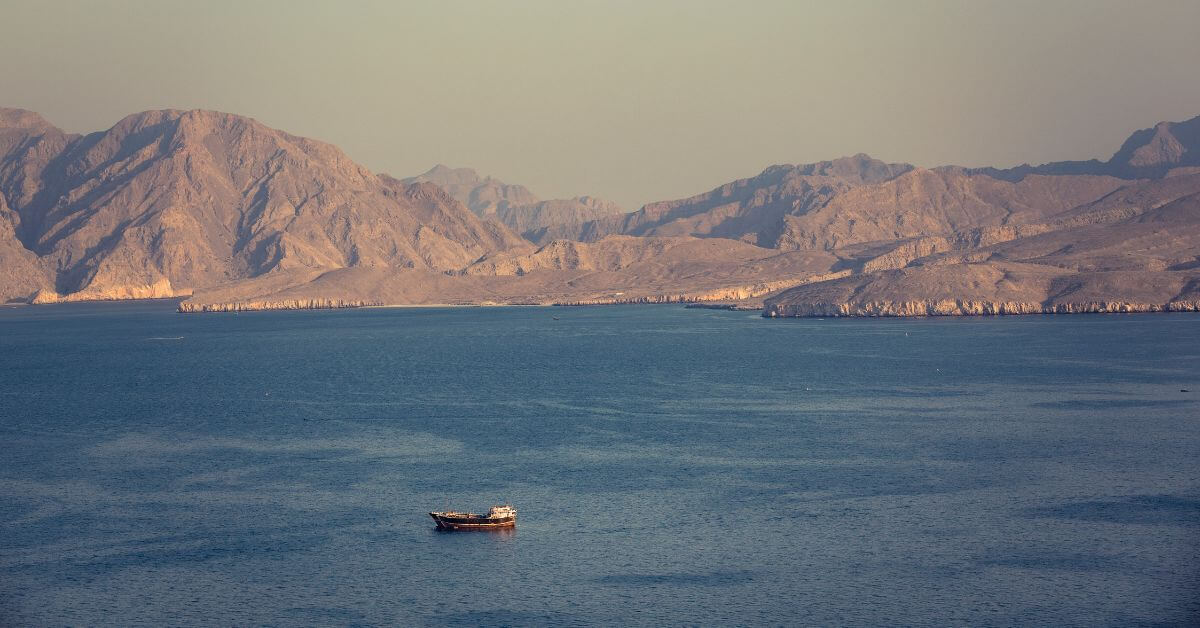
The United Kingdom held talks on Thursday with representatives from about 35 countries to explore ways to reopen the Strait of Hormuz, a key global shipping route that has been heavily disrupted amid rising tensions involving Iran, the United States and Israel.
The virtual meeting was chaired by UK Foreign Secretary Yvette Cooper and included countries such as France, Germany, Italy, Canada, Japan, South Korea, Australia, New Zealand, the United Arab Emirates and several other European and partner nations. The United States did not take part in the discussions.
The meeting was organised following a joint statement signed by multiple countries expressing their readiness to support safe passage through the strait.
According to UK Prime Minister Keir Starmer, the purpose of the talks was to assess diplomatic and political measures that could help restore freedom of navigation once fighting in the region comes to an end.
He said the discussions were focused on ensuring the safety of trapped ships and seafarers and resuming the movement of essential goods.
The Strait of Hormuz, one of the most important maritime chokepoints in the world, has been effectively restricted after Iran responded to strikes by the United States and Israel.
The disruption has affected global shipping, particularly oil and liquefied natural gas flows, as the strait normally carries about a fifth of the world’s oil supplies and a significant portion of fertilisers used in global food production.
Officials said nearly 1,000 ships have been stranded due to the partial blockade, while only a limited number of vessels have been able to pass through since the conflict began.
Before the disruption, large volumes of energy shipments and other commodities regularly moved through the waterway every day.
European officials indicated that the initial focus of any reopening plan would be on clearing mines and ensuring the route is safe for navigation. A second phase would involve protecting tankers as they transit the area.
Military planners from the UK and other countries are expected to meet separately in the coming weeks to examine practical options for securing the passage, including coordination with shipping stakeholders.
The UK Ministry of Defence has already sent planners to work with US Central Command to assess possible approaches for enabling safe transit.
British officials have also stated that any long-term solution would require cooperation between diplomatic efforts, military capabilities and the maritime industry.
Donald Trump has said that countries relying on the strait should take responsibility for securing it, and has criticised European nations for not doing enough. He has also said the strait could reopen naturally and suggested that other countries should act to protect their own interests.
Iran has maintained that the strait remains under its control and has stated that access will be restricted to what it described as hostile parties. This stance has added to the complexity of international efforts to restore normal shipping operations.
References: Reuters, The Guardian
Want to read more?
Check out the full article on the original site