3.2-Gigapixel LSST Camera Captures Over Half a Million Galaxies
Our take
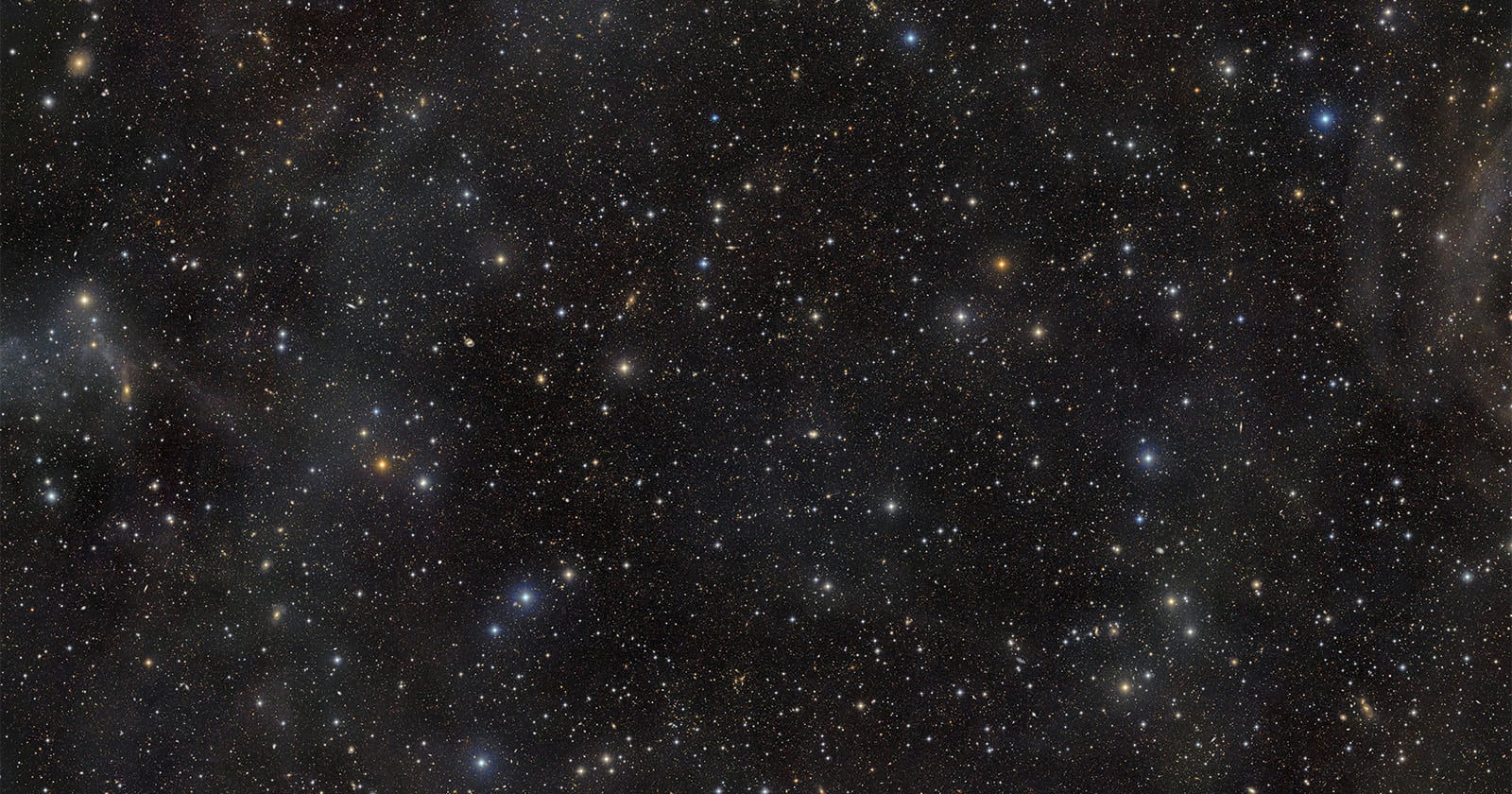
The sheer scale of the new image captured by the Vera C. Rubin Observatory's LSST camera is simply breathtaking, a testament to the relentless pursuit of understanding our universe. Featuring hundreds of thousands of galaxies across its 3.2-gigapixel expanse, it’s more than just a pretty picture; it’s a profound leap in our ability to map and analyze the cosmos. This development resonates deeply with the spirit of artistic exploration we champion, mirroring the meticulous detail and expansive vision found in the finest art forms. It’s a fitting companion to explorations of craft and precision, such as the behind-the-scenes look at [Behind the Curtain at KEH: Countless Cameras and a World-Class Repair Center] and the dedication to preserving photographic history showcased in [Historic Portraits Celebrate the Earliest African American Photographers]. The LSST camera represents a new era of astronomical observation, and its impact will ripple through countless fields of study.
The significance of this image extends far beyond its visual splendor. The LSST project itself is designed to conduct a decade-long survey of the southern sky, creating a vast, dynamic map of the universe that will revolutionize our understanding of dark matter, dark energy, and the evolution of galaxies. The ability to capture such immense detail—resolving hundreds of thousands of galaxies in a single frame—is a game-changer. This level of data will allow astronomers to test cosmological models with unprecedented accuracy, potentially revealing new physics and challenging existing theories. It’s an ambitious undertaking, aligning with the spirit of innovation and documentation seen in the meticulous records of the Royal Photographic Society’s long-running exhibition, as documented in [18 Photos From the 167th Edition of the World’s Longest-Running Photography Exhibition]. The sheer volume of data generated will require new algorithms and computational techniques to process and analyze, pushing the boundaries of artificial intelligence and data science.
The implications for the scientific community are far-reaching. The LSST data will provide a unique opportunity to study the distribution and evolution of galaxies over cosmic time, allowing us to trace their formation and interactions. It will also enable the discovery of transient events, such as supernovae and gamma-ray bursts, providing insights into the violent processes that shape the universe. This is a truly immersive experience for scientists, akin to a photographer meticulously studying every nuance of a single frame, but on a cosmic scale. The data’s accessibility will empower citizen scientists and researchers worldwide, fostering collaboration and accelerating the pace of discovery. The sheer scale of the project ensures that new patterns and anomalies will inevitably emerge, sparking new lines of inquiry and inspiring future generations of astronomers.
Looking ahead, the LSST camera’s capabilities promise to reshape our understanding of the universe in profound ways. As more data becomes available, we can anticipate a cascade of new discoveries and insights, challenging our current models and expanding the horizons of human knowledge. The ongoing development of advanced data analysis techniques will be crucial in unlocking the full potential of this unprecedented resource. One particularly compelling question to watch is whether the LSST data will reveal evidence of previously unknown types of galaxies or structures, fundamentally altering our picture of the cosmos and prompting us to reconsider our place within it.
A new image from the NSF-DOE Vera C. Rubin Observatory's 3200-megapixel LSST camera features hundreds of thousands of distant galaxies across its many pixels, delivering a spectacular view of one of the most observed patches of the Universe.
Read on the original site
Open the publisher's page for the full experience