universe
universe on Lee LHGFX Photography: a running collection of 4 stories we have gathered and hand-picked because they are worth your time. Every post here touches on universe in some way — the news, the analysis, the deep dives, and the occasional surprise find. Lee LHGFX Photography is a dynamic portfolio and lifestyle hub built around the artistic work of @lee_lhgfx — a highly engaged Instagram creator and photographer known for… New stories are added to this page as we find them, so check back if you want to keep up with what is happening around universe, or subscribe to the RSS feed to get them as soon as they are published. Browse the collection below, or head back to the homepage to see everything Lee LHGFX Photography is covering right now.
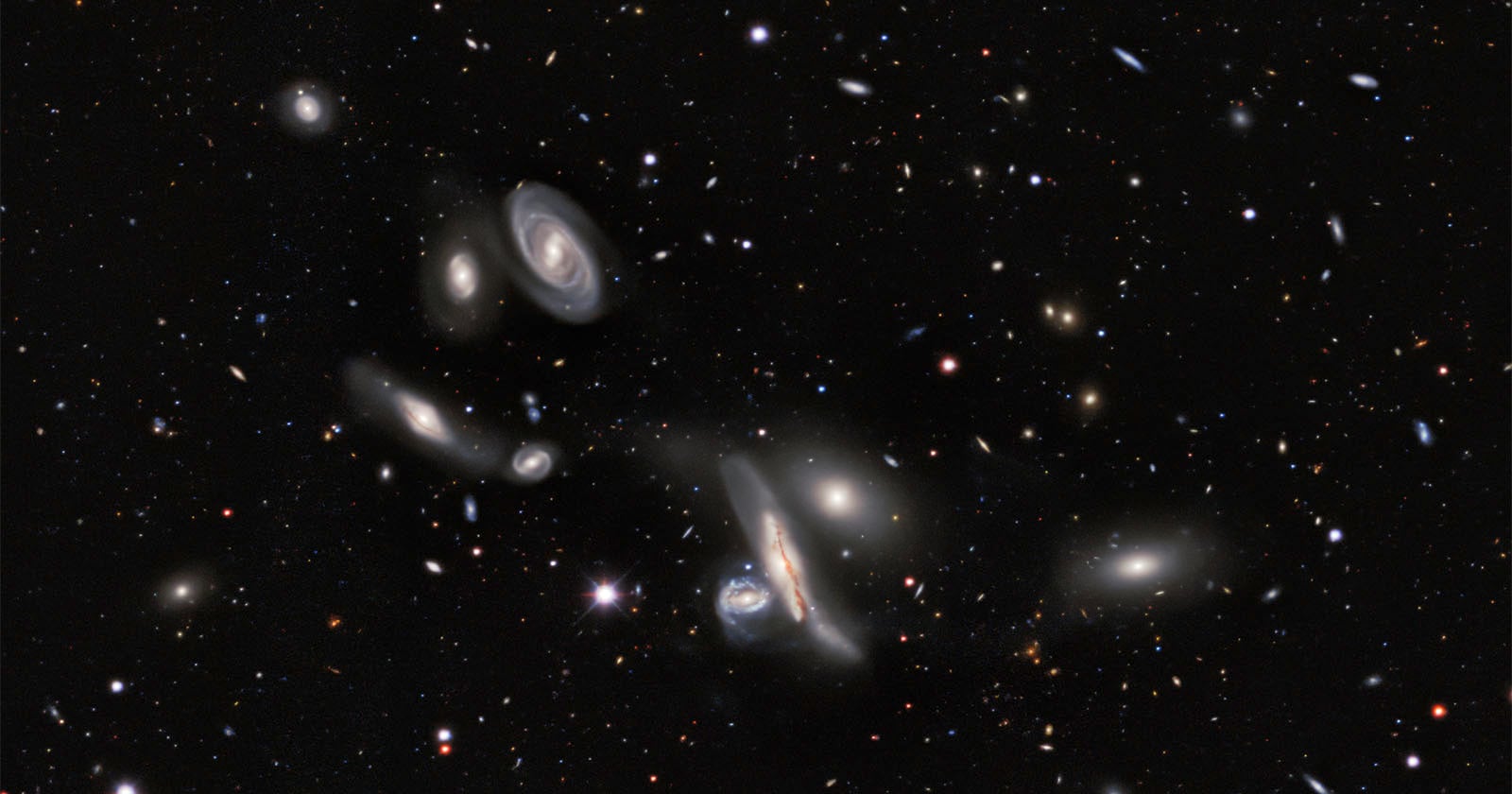
Biggest 2D Map of the Universe Took 13 Years and 263,407 Photos to Make
Behold the most expansive 2D map of the Universe ever created. Scientists, utilizing the NSF NOIRLab’s NOIRLab telescopes over 13 years and a staggering 263,407 photographs, have unveiled this monumental achievement, covering three-quarters of the sky. The DESI Legacy Imaging Surveys catalog details nearly four billion celestial objects, offering an unprecedented view of cosmic structure. This immersive exploration of the cosmos builds upon discoveries like those revealed by the James Webb Space Telescope, such as the vibrant beauty of the Lion Nebula. [Read More].
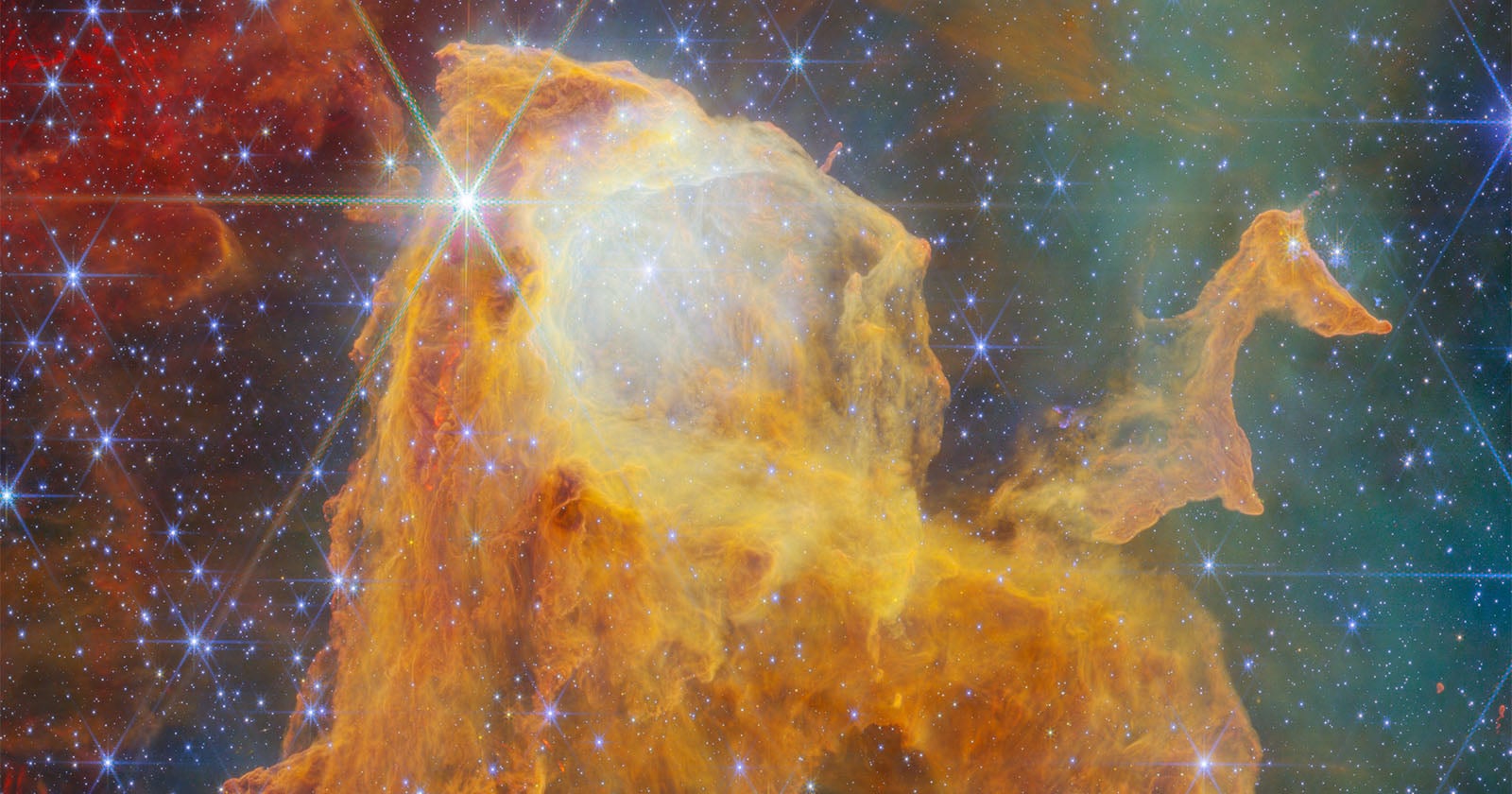
James Webb Space Telescope Opens Up a Cosmic Treasure Chest
Behold a cosmic treasure revealed! NASA, ESA, and CSA’s James Webb Space Telescope has unveiled a breathtaking image of the Carina Nebula, a region just 7,500 light-years distant, showcasing a stunning, jewel-like formation. This Picture of the Month delivers a spectacularly colorful view, inviting exploration of the universe's artistry. For those captivated by stellar phenomena, consider delving deeper into recent observations of our own star – "The Most Detailed Photos Ever of the Sun’s Surface" offers a fascinating parallel perspective.
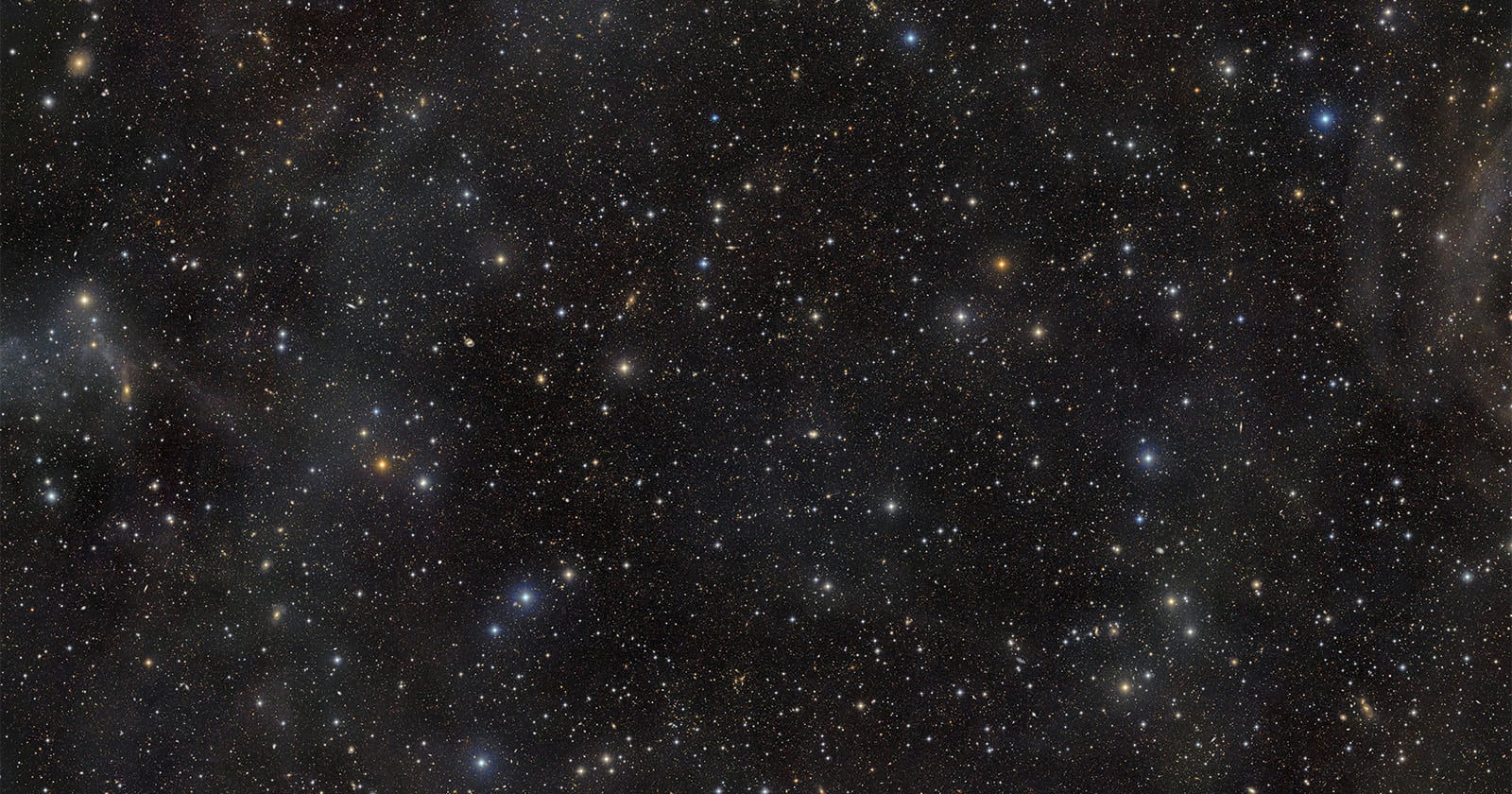
3.2-Gigapixel LSST Camera Captures Over Half a Million Galaxies
Behold a breathtaking vista of the cosmos: the NSF-DOE Vera C. Rubin Observatory's 3.2-Gigapixel LSST camera has captured an image revealing over half a million galaxies. This spectacular view showcases one of the Universe’s most frequently observed regions with unparalleled detail. The observatory’s groundbreaking camera promises to reshape our understanding of cosmic structures and evolution. For a deeper look at the technology behind such remarkable imagery, explore our article, "Behind the Curtain at KEH." [Read More].
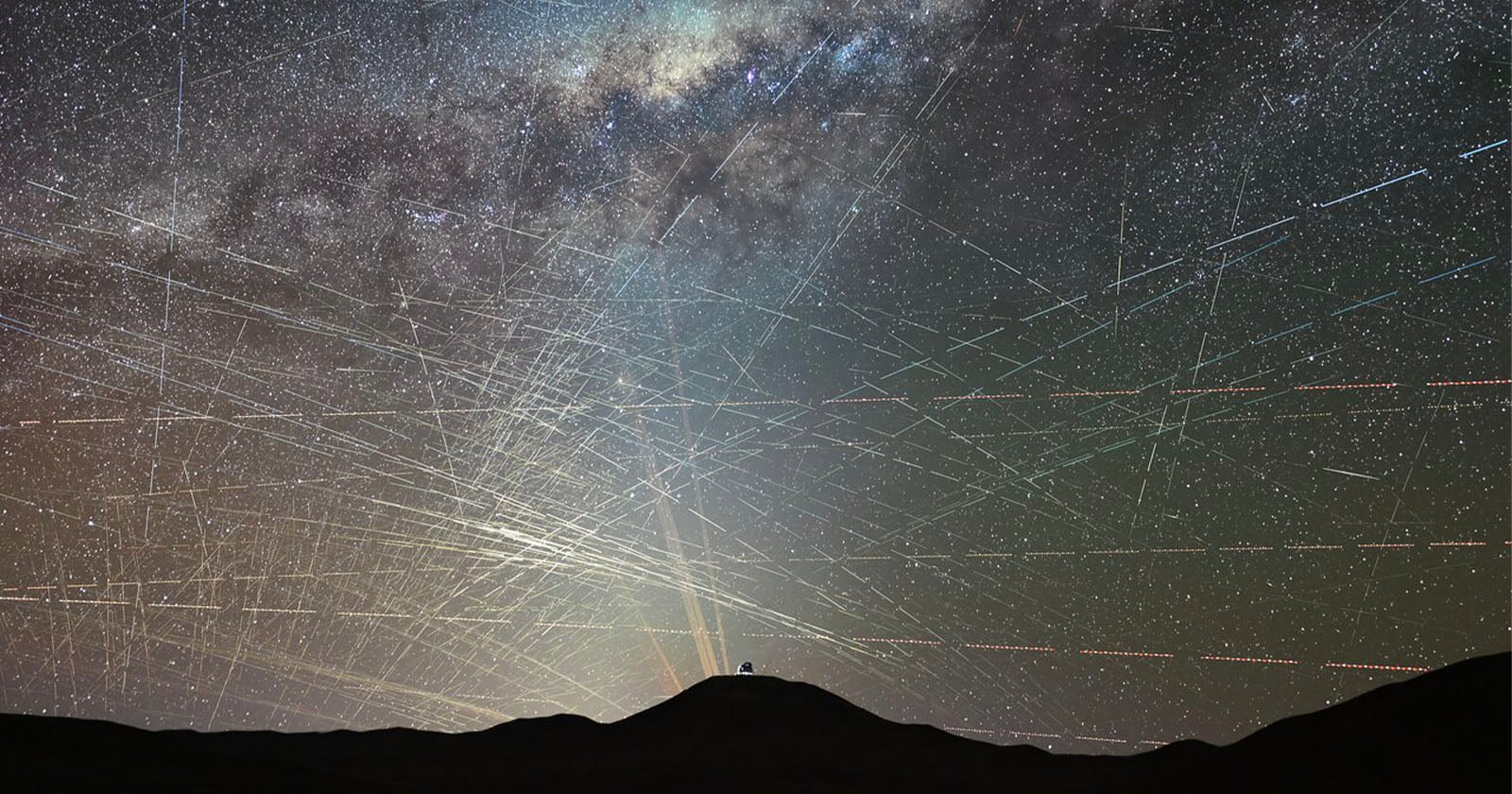
No More Than 100,000 Satellites in the Sky if We Want to Preserve Astronomy
The night sky, a source of wonder and scientific discovery, faces an unprecedented threat. Astronomers are voicing serious concerns over proposals to launch over 1.7 million satellites, with some potentially appearing as bright as stars. One astronomer warns that such a proliferation will have "devastating consequences" for our view of the Universe. This escalating situation highlights the need for careful consideration of space exploration's impact—a topic further explored in our article detailing NASA’s Psyche spacecraft’s recent observations of Mars.