570-Megapixel Dark Energy Camera Photographs Van Gogh-Esque ‘Starry Night’
Our take
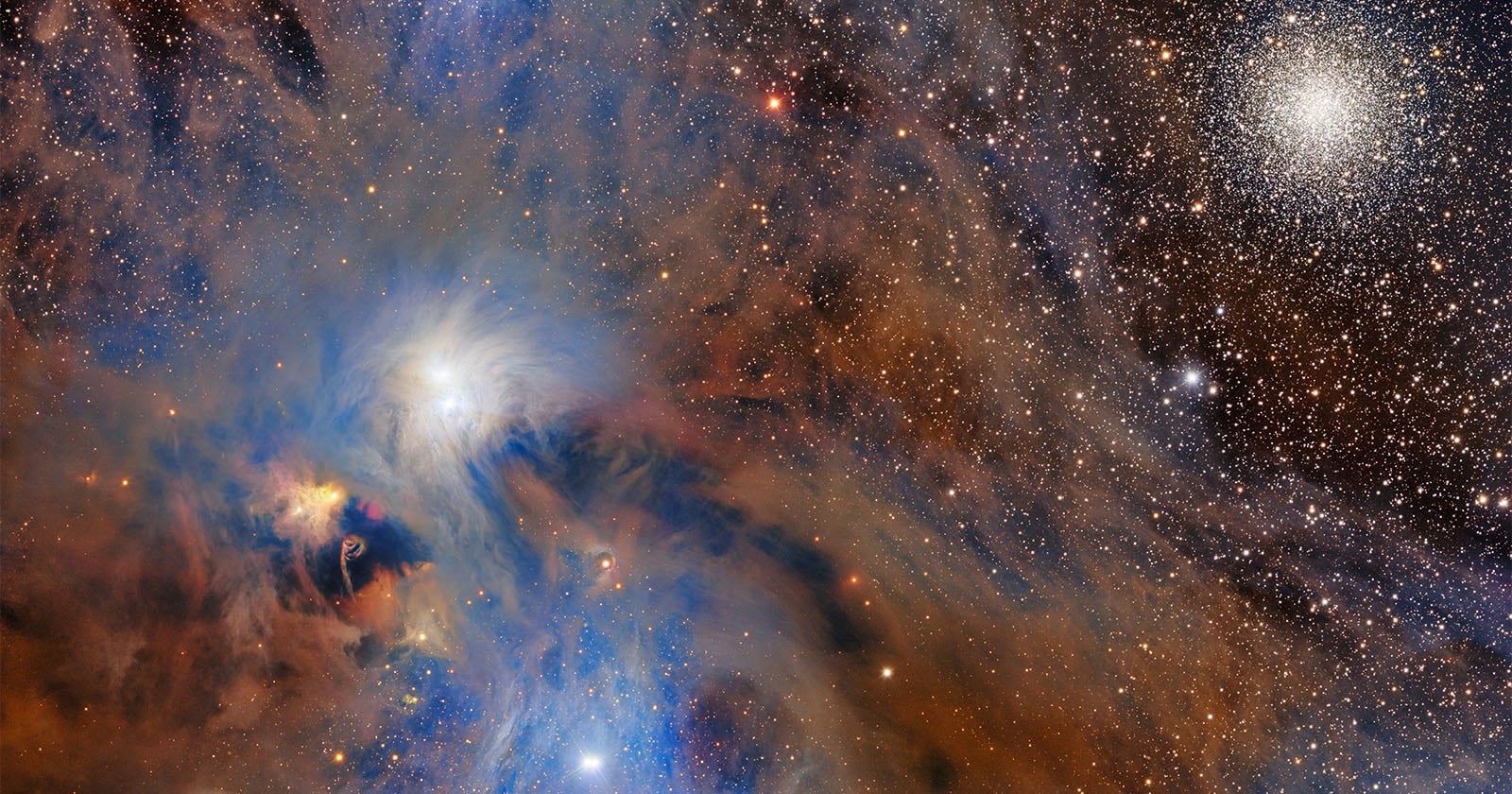
The cosmos continues to unveil its breathtaking beauty, and the latest glimpse, courtesy of the Dark Energy Camera’s (DECam) 570-megapixel lens, is nothing short of mesmerizing. The image of the Corona Australis Molecular Cloud, a relatively close star-forming region, bears an uncanny resemblance to Van Gogh’s iconic “Starry Night,” prompting a delightful intersection of art and science. This isn't merely a stunning photograph; it’s a testament to the ever-increasing power of astronomical imaging and the way technology allows us to perceive the universe in profoundly new ways. It begs the question: are we reaching a point where the aesthetic qualities of scientific data are becoming as important as the data itself? Considering the ongoing debate about megapixel counts in photography, as explored in The Canon EOS R in 2026: Are 30-Megapixels Still Enough?, the sheer resolution of DECam – dwarfing even high-end professional cameras – highlights a different kind of pursuit: not capturing fleeting moments, but mapping the vast expanse of the cosmos with unprecedented detail.
The visual similarity to Van Gogh’s masterpiece isn’t accidental. Both share a common thread: the depiction of swirling, dynamic forms within a seemingly chaotic environment. Van Gogh captured the turbulent energy of the night sky above Saint-Rémy with expressive brushstrokes, while DECam’s sensors, through meticulous data processing, reveal the complex interplay of gas, dust, and nascent stars within the Corona Australis. It’s a powerful reminder that the universe itself is a work of art, and that our instruments are simply evolving to better appreciate its intricacies. The precision required to capture and process such vast datasets also brings into focus the growing challenges surrounding intellectual property and creative works, as the recent announcement regarding increases in photo registration costs, detailed in Copyright Office Will Increase Photo Registration Cost by 55%, underscores the importance of protecting both artistic and scientific endeavors. As these images become increasingly accessible and readily shared, the legal landscape surrounding their usage will undoubtedly evolve.
Beyond the artistic parallels, this image underscores the ongoing quest to understand star formation. Molecular clouds like Corona Australis are the birthplaces of stars, and DECam’s granular detail allows astronomers to study these processes with unprecedented clarity. The sheer volume of data generated—570 megapixels per image—requires sophisticated algorithms and computing power to process and analyze, pushing the boundaries of both astrophysics and computational science. It's a demonstration of how advancements in sensor technology, coupled with powerful processing capabilities, are revolutionizing our understanding of the universe, moving us closer to unraveling the mysteries of stellar evolution and the origins of planetary systems. The investment in these advanced instruments represents a commitment to expanding our knowledge and inspiring future generations of scientists and artists alike.
The convergence of art and science in this image offers a compelling perspective on the human desire to explore and understand the world around us, both seen and unseen. As technology continues to advance, we can anticipate even more breathtaking images of the cosmos, revealing new details and challenging our perceptions of reality. One must wonder: will future astronomical images inspire entirely new artistic movements, or will they simply deepen our appreciation for the inherent beauty of the universe? Perhaps the most significant implication is the democratization of these discoveries—allowing a wider audience to marvel at the grandeur of the cosmos, fostering a collective sense of wonder and inspiring a new generation of cosmic explorers.
The Dark Energy Camera (DECam) pointed its 570-megapixel CCD image sensor, housed inside the Victor M. Blanco 4-meter Telescope, at the Corona Australis Molecular Cloud, one of the nearest star-forming regions to Earth.
Read on the original site
Open the publisher's page for the full experience